
REVIEW · APARTHEID MUSEUM TOURS
Soweto and Apartheid Museum Guided Tour
Johannesburg’s past needs more than a bus window. I like the way this six-hour tour joins the Apartheid Museum and Soweto in one day, and I like that hotel pickup, lunch, water, and admission fees are included. The main drawback is pace: the museum receives about two hours, while several Soweto stops get only 30 minutes.
This is a useful first look at Johannesburg, especially if you are short on time or uneasy about exploring the city alone. Guides such as Emmah, Nic, Nick, Robert, Sylvan, Lambert, and John Mashala have been praised for patient, clear explanations. Still, lunch has not impressed everyone, and the $187.48 price is easier to justify for a small group or solo traveler than for a large family.
In This Review
- Key points to know before booking
- Why this six-hour Johannesburg tour works
- Starting with Johannesburg’s city story
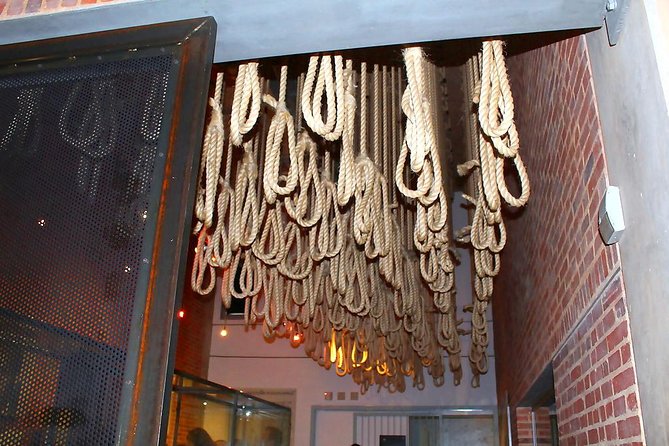
- Two hours inside the Apartheid Museum
- Driving through Soweto and seeing the towers
- Vilakazi Street and the Mandela House visit
- Hector Pieterson Museum and the 1976 uprising
- Lunch, water, and what the price covers
- The guide matters more than the vehicle
- Timing, traffic, and the six-hour limit
- Who will get the most from this experience?
- Should you book the Soweto and Apartheid Museum tour?
- FAQ
- Where does the tour take place?
- How long does the tour last?
- Is hotel transportation included?
- What is included in the price?
- Are drinks included?
- How much time is spent at the Apartheid Museum?
- Which Soweto attractions are visited?
- Can children join the tour?
Key points to know before booking
- The Apartheid Museum gets the longest visit: Plan on roughly two hours for its powerful exhibitions and historical material.
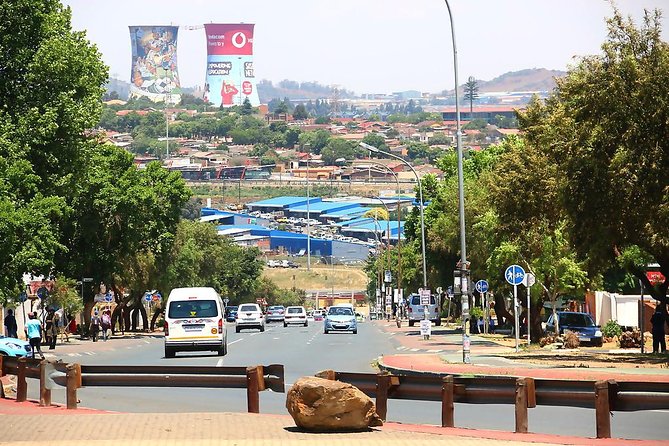
- Soweto brings the story into ordinary streets: You pass the famous towers, local roads, and places marked by the scars of apartheid.
- Mandela House and Vilakazi Street are paired together: You have time to see the street and spend about 30 minutes inside the former home.
- Hector Pieterson Museum adds the youth perspective: Its exhibits focus on the uprising and the role of students in the struggle.
- The guide can make or break the day: Past visitors singled out Emmah, Nic, Nick, Robert, Sylvan, Lambert, and John Mashala for warmth and clear local insight.
- The package removes several common costs: Hotel transport, entrance fees, lunch, snacks, and bottled water are included, but drinks are not.
Why this six-hour Johannesburg tour works
Johannesburg can feel difficult to piece together on your own. Its important places are spread across different parts of the city, and the meaning of Soweto, Mandela’s home, the 1976 student uprising, and apartheid-era segregation is not always obvious from a quick look.
This tour gives you a guided framework. You move from the city itself to Soweto, then spend serious time at the Apartheid Museum. That order helps connect Johannesburg’s growth after the discovery of gold with the political and social systems that shaped modern South Africa.
You also get transport between the stops. That matters here. Instead of arranging separate rides to Soweto and the museum, you can spend the day listening, looking, and asking questions. Hotel pickup and drop-off are offered at your Johannesburg hotel, and transfer times can change with traffic.
The maximum group size is 30 people, although the experience may be much smaller. One solo participant was delighted to find that the booking became a private tour. Another group included only one other couple, which made conversation with the guide easy.
That small-group possibility is worth asking about when you book. A group of 30 would feel very different from a one-to-three-person outing, especially during the shorter stops.
More Museums in Pretoria
- Johannesburg Full-Day Tour(Soweto/Jo-Burg & Apartheid Museum)
★ 5.0 · 110 reviews - Soweto & Apartheid Museum Tour
★ 5.0 · 20 reviews - Soweto & Apartheid Museum Guided Tour
★ 5.0 · 18 reviews
Starting with Johannesburg’s city story
The city portion is not described as a long series of formal stops, but the drive gives your guide room to explain Johannesburg’s development and modern character. You may pass important city sights, hospitals, the 2010 World Cup Stadium, and parts of downtown Johannesburg.
This is where a good guide adds real value. Nic and Nick have been praised for explaining how the city developed and for pointing out places that might otherwise pass unnoticed. One account describes a drive through downtown that felt safe because the guide handled the surroundings and gave context.
That does not mean you should expect a lengthy walking tour of every central landmark. Much of the city viewing happens from the vehicle, with commentary along the way. If you want extended time at Constitution Hill, the prison, or other central attractions, check the day’s exact plan before booking. Some accounts mention Constitution Hill, but the supplied schedule does not list it as one of the main timed stops.
I like this driving approach for a first visit. Johannesburg is large, and a moving overview lets you see more ground in limited time. The tradeoff is that you get fewer long photo stops and less time to explore each place on foot.
Two hours inside the Apartheid Museum
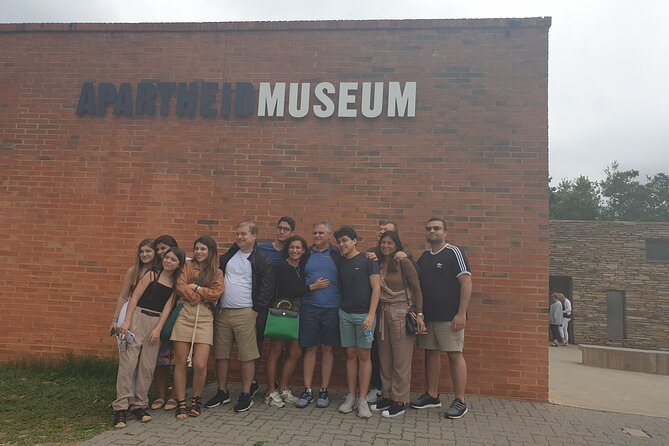
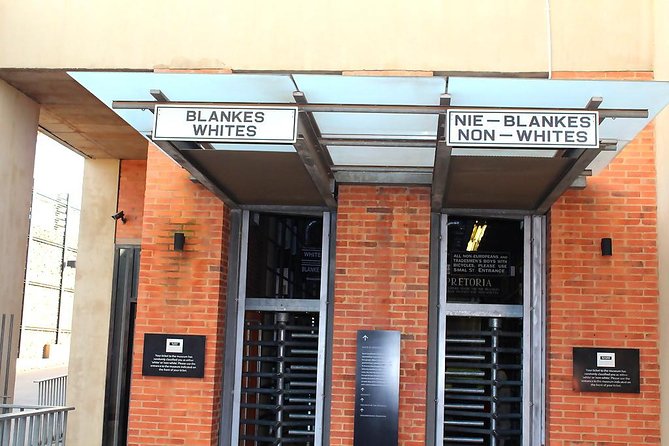
The Apartheid Museum is the emotional center of the day. You receive admission and about two hours to work through its material on apartheid and its effect on South Africa.
Two hours is useful, but do not expect to absorb every display at leisure. This is a serious museum, and the subject matter can be difficult. You will want to read, pause, and think rather than rush from one room to the next.
The museum is located on the outskirts of Johannesburg, so including it with Soweto saves planning time. It also gives the day a clear historical anchor. After seeing city streets and Soweto in person, the museum can help organize what you have heard into a larger account of law, forced separation, resistance, and political change.
Many past participants considered the museum exceptionally well done and moving. One person described the visit as impactful and emotional. That is a useful warning as well as praise: this is not a light sightseeing stop. You may want a quiet moment afterward before continuing.
Because the museum receives the longest scheduled visit, I would pay attention here rather than treating it as a box to tick. If you read quickly, you may have time to revisit sections. If you prefer museums at a slow pace, two hours may feel tight.
Driving through Soweto and seeing the towers
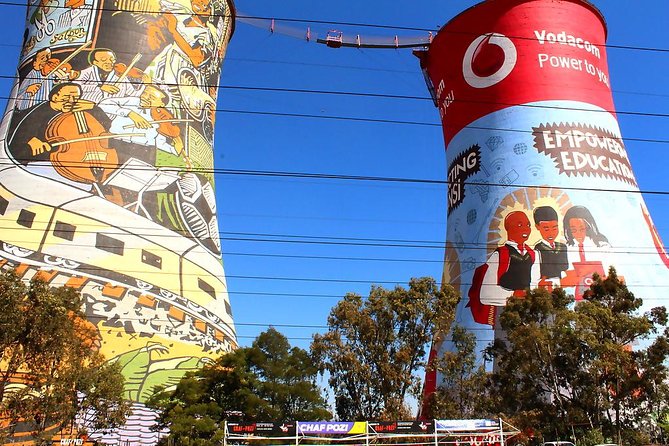
Soweto is not presented as a single monument. The tour carries you through its streets and explains how the township became central to the story of apartheid.
You pass the famous Soweto towers and learn why they matter. The towers are visually striking, but the important point is the history around them, including the way Soweto grew and how residents experienced segregation and political conflict.
The drive through the streets is valuable because it puts the past beside the present. You may see ordinary residential areas and signs of continuing economic hardship. One participant found it sad to see how some people are still living, a reminder that the end of apartheid did not erase every problem.
This part requires a respectful attitude. You are not simply sightseeing in a colorful neighborhood. Your guide’s explanation can help you understand what you are seeing without turning people’s homes into a spectacle.
The tour also includes a stop connected with a hospital, described as a place where you learn about its importance in South Africa. The available details do not identify the hospital or specify a walking visit, so treat this as part of the drive and commentary rather than a guaranteed extended stop.
More Soweto tours:
- Soweto Half Day Tour
★ 5.0 · 231 reviews - Johannesburg and Soweto tour
★ 5.0 · 231 reviews - Soweto walking tour with a taxi ride
★ 4.5 · 42 reviews - Pretoria Soweto And Johannesburg
★ 3.8 · 13 reviews
Vilakazi Street and the Mandela House visit
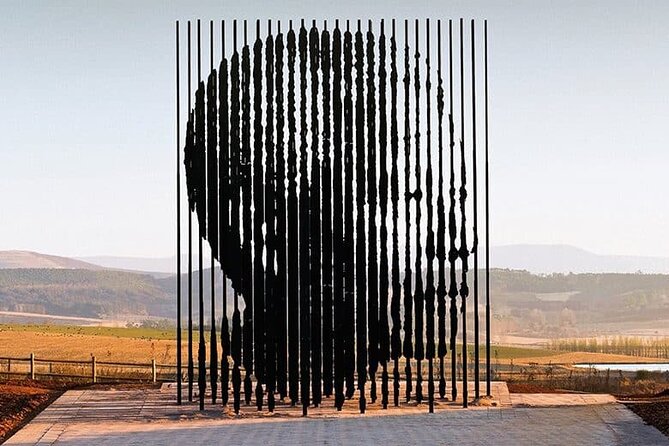
Vilakazi Street is one of Soweto’s best-known addresses. It is associated with Nelson Mandela’s former home and gives the tour a clear link between national history and a real residential street.
You receive about 30 minutes on Vilakazi Street, followed by another 30 minutes at Mandela House. That is enough for a focused visit, but it is not a leisurely neighborhood wander.
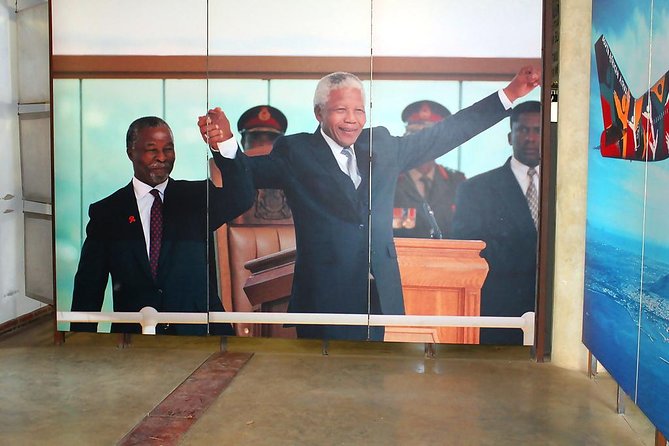
Mandela House is the more personal part of the stop. The small time allowance encourages you to concentrate on the home itself and its connection to Mandela’s life. One person found the visit especially moving after noticing an honorary degree from Kentucky State University presented to Mandela.
The setting can feel tourist-oriented, and that is worth acknowledging. Vilakazi Street is famous precisely because so many people want to see it. The visit remains meaningful, but you should expect a well-known attraction rather than an untouched residential discovery.
I would use the street time for orientation and photos, then give your attention to the house. If you have a particular interest in Mandela, ask your guide questions while you are there. Guides who grew up in or near Johannesburg can add personal context that a label inside the house cannot provide.
Hector Pieterson Museum and the 1976 uprising
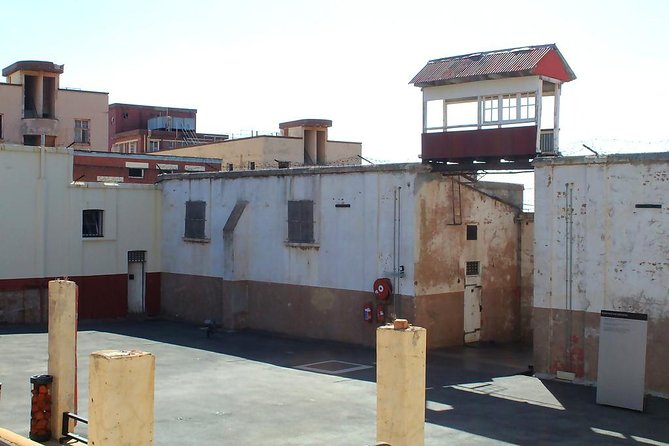
The Hector Pieterson Museum gives the day a younger and more immediate voice. Its focus is the student uprising and the role of youth in South Africa’s apartheid history.
You have about 30 minutes here. That is short for a museum, but the subject is focused, and the stop helps prevent the day from becoming only a story about famous political leaders.
The museum and memorial are named for Hector Pieterson, whose death became an enduring symbol of the 1976 uprising. The stop helps you understand how students became involved in resistance and why the events in Soweto mattered far beyond one neighborhood.
The timing means you should listen carefully to the guide and choose what you most want to see. If you try to examine every display in detail, you may feel hurried. Still, this is an important counterpoint to Mandela House: it shows how ordinary young people became part of a major historical turning point.
Taken together, the Soweto stops create a useful progression. The streets show the setting, Vilakazi Street connects you with Mandela, and Hector Pieterson Museum brings attention to student resistance and loss.
Lunch, water, and what the price covers
At $187.48 per person, this is not a bargain basement city outing. The value comes from bundling several expenses and solving the transport problem.
The price includes:
- Round-trip hotel pickup and drop-off
- A driver and guide
- Entrance fees
- Lunch
- Snacks
- Bottled water
Drinks are not included, so bring extra money if you want something beyond the supplied water. The lunch is convenient, but one person felt it did not match the price paid. That criticism matters because meals can affect how a full day feels, especially when the tour is already expensive.
For a solo visitor, the price can make sense if the booking turns into a private or very small-group experience. You receive transport, a guide, several admissions, and a structured introduction to places that would be awkward to connect independently in six hours.
For a group of four or more, compare the total cost with arranging private transport and separate admission fees. The included lunch and guide may still make this package worthwhile, but the value depends heavily on group size and how much you care about having one organized day.
The mobile ticket is practical, and confirmation is provided at booking. Children must be accompanied by an adult, and most people can participate.
The guide matters more than the vehicle
The strongest praise centers on the guides. Emmah is described as kind, friendly, patient, and able to make people feel at ease. Nic and Nick are praised for local knowledge and for explaining both past and current events. Robert is associated with a newer vehicle and strong information about the country.
Other highly regarded guides include Sylvan, Lambert, and John Mashala. One French-speaking participant especially appreciated a French-speaking guide. Since guide assignment can vary, you should not assume a specific person will lead your tour unless the operator confirms it.
This matters because the tour contains many short stops. A guide who can explain the setting during the drive helps fill the gaps between formal visits. Patience also matters if you need something repeated or want to ask about a place not listed as a main stop.
The vehicle is described as comfortable, and one account praised a new vehicle. Exact vehicle type is not provided, so I would not book this expecting a particular model or luxury transport.
Timing, traffic, and the six-hour limit
The advertised duration is about six hours. That sounds like a full day, but it is better understood as a concentrated half-day-to-full-day city excursion with several transfers.
Johannesburg traffic can change the timing. Pickup and transfer durations are approximate, and the actual schedule depends on the time of day and road conditions. A late return is possible if traffic slows the route.
The fixed stops add up to about three hours: two hours at the Apartheid Museum and roughly 30 minutes each at Vilakazi Street, Mandela House, and Hector Pieterson Museum. The remaining time covers hotel pickup, city driving, Soweto roads, commentary, lunch, and other brief views.
That arithmetic explains both the tour’s strength and its limit. You cover a lot, but you do not linger. I would avoid scheduling a tight flight, long-distance train, or another fixed activity immediately afterward.
Who will get the most from this experience?
I would recommend this tour most strongly to:
- First-time visitors to Johannesburg
- Solo visitors who want an organized and supported introduction
- People with only one day available
- History-minded visitors who want both museum exhibits and real city settings
- Anyone who prefers hotel transport instead of arranging several rides
- Small groups that want a guide and shared costs
You may want a different format if you prefer slow museum visits, long meals, or extended time in one neighborhood. The schedule is designed for coverage, not lingering.
It also suits people who want historical explanation rather than independent sightseeing. The city can offer plenty of visual impressions, but the meaning of Soweto and the apartheid era is easier to grasp with someone connecting the places.
Should you book the Soweto and Apartheid Museum tour?
Book it if you want a structured first day in Johannesburg, especially when your time is limited. The combination of city views, Soweto, Mandela House, Hector Pieterson Museum, and two hours at the Apartheid Museum gives you a serious introduction to the city’s past and present.
I would be more cautious if you are focused on food quality, dislike a tight schedule, or expect a private tour at the listed price. Ask about the likely group size and guide before paying, and remember that drinks cost extra.
The strongest reason to choose it is the guide-led context. The most praised guides are warm, patient, and able to explain difficult subjects in plain language. If that personal connection is present, the tour can turn a string of landmarks into a day that helps you understand Johannesburg.
FAQ
Where does the tour take place?
The experience focuses on Johannesburg and Soweto, South Africa. The tour information gives Pretoria as the location, but hotel pickup and drop-off are specified for Johannesburg hotels.
How long does the tour last?
The tour lasts approximately six hours. Transfer times can vary depending on traffic and the time of day.
Is hotel transportation included?
Yes. Pickup and drop-off at your Johannesburg hotel are included.
What is included in the price?
The price includes a driver and guide, entrance fees, lunch, snacks, bottled water, and round-trip hotel transportation.
Are drinks included?
No. Drinks are not included, although bottled water is provided.
How much time is spent at the Apartheid Museum?
Approximately two hours are scheduled at the Apartheid Museum, and admission is included.
Which Soweto attractions are visited?
The tour includes Vilakazi Street, Mandela House, and the Hector Pieterson Museum and Memorial. It also passes the famous Soweto towers and drives through Soweto streets.
Can children join the tour?
Yes. Children must be accompanied by an adult, and most people can participate.
More Apartheid Museum Tours
- Soweto /Johannesburg and Apartheid Museum Guided Full Day Tour
★ 5.0 · 932 reviews - Jo’berg in 1 Day: Soweto, Apartheid Museum & City Tour
★ 4.8 · 524 reviews - Johannesburg: Full-Day Tour with Soweto and Apartheid Museum
★ 4.8 · 478 reviews - Full-Day Soweto, Apartheid Museum and Lunch Tour
★ 5.0 · 410 reviews
Just added in Pretoria
- The Elephant and Monkey Sanctuary.★ 4.5 · 16 reviews
- South Africa: Lesedi Cultural Village – Half-Day Tour★ 5.0 · 2 reviews
- Johannesburg: Hot Air Balloon Flight along Magalies Valley★ 5.0 · 11 reviews
- Pretoria Tour-Voortrekker Monument, Town, Union Buildings★ 5.0 · 3 reviews
- Pretoria Soweto And Johannesburg★ 3.8 · 13 reviews
- Pretoria half day tour★ 3.7 · 3 reviews
- Pretoria: Half-Day City Tour with Hotel Pickup★ 4.2 · 6 reviews
- Pretoria: Pretoria City Tour and Cullinan Diamond Mine Tour★ 4.9 · 24 reviews
Apartheid Museum Tours, compared.

Soweto /Johannesburg and Apartheid Museum Guided Full Day Tour
Read our review →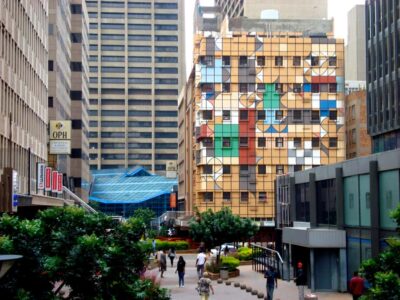
Jo’berg in 1 Day: Soweto, Apartheid Museum & City Tour
Read our review →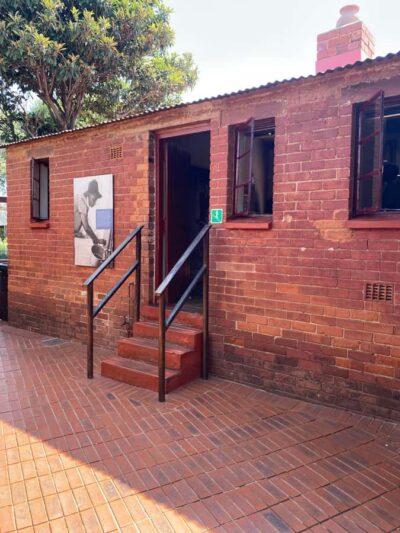
Full-Day Tour with Soweto and Apartheid Museum
Read our review →
Full-Day Soweto, Apartheid Museum and Lunch Tour
Read our review →
Half Guided Day Tour of Soweto And Apartheid Museum
Read our review →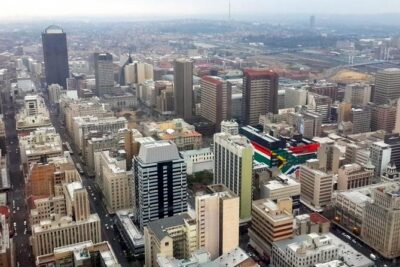
Ultimate Johannesburg Soweto Experience with Apartheid Museum
Read our review →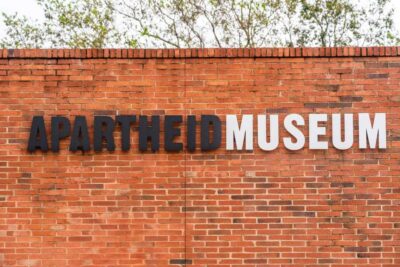
Hop-On Hop-Off Bus, City Tour and Apartheid Museum
Read our review →
Johannesburg and Soweto Apartheid Full Day Tour w/Lunch
Read our review →Browse the lists this tour appears in