
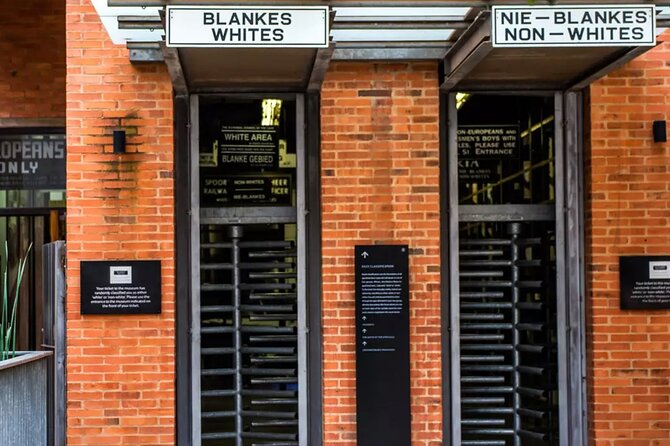
REVIEW · APARTHEID MUSEUM TOURS
Apartheid History of South Africa (Full day Experience with lunch
Johannesburg’s past is written into its streets. This full-day experience connects the city’s gold-mining origins with apartheid’s machinery, then takes you into Soweto, where the story becomes personal through Mandela House and the Hector Pieterson Museum. I especially like the two-part structure and the inclusion of lunch, museum admissions, transport, and a guide in the $106.78 price. The main caution is that the schedule covers a lot of ground, and some stops are brief.
You’ll spend time in central Johannesburg, Maboneng, Marshalltown, Constitution Hill, Hallmark House, Soweto, and several major museums. The tour is best for you if you want historical context rather than a quick photo stop, though the exact order and time at each site may vary within the four-to-eight-hour window.
The strongest parts are the clear link between gold, urban development, segregation, and resistance. I also like that the experience does not stop at the past. It asks how apartheid still affects South Africa today, which makes the day more useful than a simple sightseeing loop.
In This Review
- Six things to know before booking
- Why the gold story belongs at the beginning
- Maboneng and Marshalltown: two views of central Joburg
- Constitution Hill turns law into something you can see
- Hallmark House adds a present-day city view
- Soweto makes the political story personal
- Mandela House brings the story indoors
- Hector Pieterson Museum remembers June 16
- The Apartheid Museum is the day’s major anchor
- What the $106.78 price really covers
- The guide can make or break the day
- Timing, pickup, and comfort
- Who will enjoy this experience most
- Should you book the Apartheid History of South Africa experience?
- FAQ
- Where does the tour take place?
- How long does the experience last?
- Is pickup available?
- Is lunch included?
- Are museum admissions included?
- What group size should I expect?
- Can I cancel for a full refund?
Six things to know before booking

- Gold shaped the city: The tour begins with Johannesburg’s mining origins and explains why the discovery of gold changed the area so dramatically.
- Johannesburg and Soweto are treated as one story: You move from the city center to Soweto to see how economic power, forced separation, and political resistance were connected.
- Mandela House adds a personal scale: The former home of Nelson Mandela gives you a more intimate setting after the larger political story.
- June 16 receives proper attention: The Hector Pieterson Museum and Memorial focus on the 1976 student uprising and the young people caught in it.
- Lunch and admissions are included: The price covers the guide, air-conditioned vehicle, coffee or tea, lunch, museum entry, and taxes. Alcohol costs extra.
- The day can be flexible: The experience lasts about four to eight hours, and the Apartheid Museum visit depends on the day’s schedule.
Why the gold story belongs at the beginning
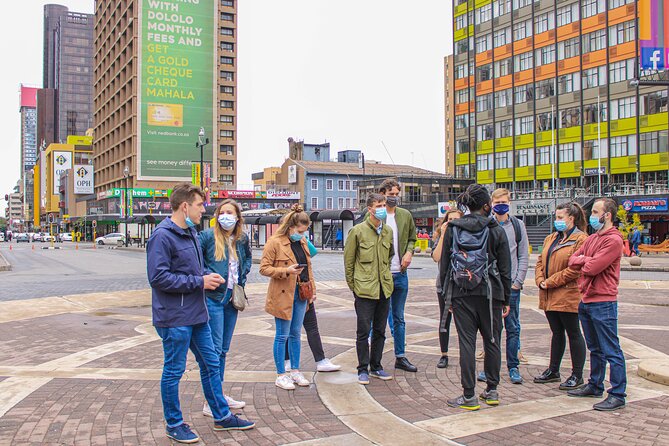
Johannesburg can seem like a modern business city until you understand how quickly it grew. The tour opens with the discovery of gold, the event that set the city on its path and created the need for mines, labor, transport, housing, and strict control over who could live and work where.
That opening matters because apartheid did not appear from nowhere. The mining economy helped create systems of migrant labor and racial separation long before apartheid became official government policy in 1948. A guide who explains this connection can help you see the city as more than a collection of neighborhoods and landmarks.
The first stop is listed as Johannesburg, with about two hours allocated and no separate admission charge. The description is broad, so you should not expect a single museum visit during this part. Think of it as an introduction to the city’s beginnings and the forces that shaped its social order.
I would pay close attention here and ask questions. The quality of the day depends heavily on how clearly the guide connects gold mining to later laws and daily life. The best version of this tour will explain not only what happened, but why the city developed in such an uneven way.
More Apartheid Museum tours:
- Johannesburg Full-Day Tour(Soweto/Jo-Burg & Apartheid Museum)
★ 5.0 · 110 reviews - Soweto and Apartheid Museum Guided Tour
★ 5.0 · 38 reviews - Soweto & Apartheid Museum Tour
★ 5.0 · 20 reviews
Maboneng and Marshalltown: two views of central Joburg
Maboneng brings a different mood. The area is known for street art, galleries, restaurants, boutiques, and cultural projects created in buildings that were once in poor condition. The stop also includes a look at Marshalltown, followed by a break at a downtown lunch spot.
The listed time is about 30 minutes, so this is more of a compact introduction than a full neighborhood tour. You may see the character of Maboneng and hear how urban renewal changed parts of central Johannesburg, but you will not have hours to browse galleries or settle in for a long meal.
That short visit still has value. It helps you see present-day Johannesburg alongside the political story. Maboneng is associated with creative energy and redevelopment, while Marshalltown offers a walking perspective on the older downtown core. Together, they show a city still dealing with change.
One practical point: the Maboneng section is not only about apartheid. It shifts toward culture, design, and urban life. I like that contrast, but anyone seeking a strictly political tour may find the stop less focused than the museums.
Constitution Hill turns law into something you can see
Constitution Hill occupies a former prison complex and is now a museum and human rights precinct. The site gives physical weight to the tour’s central subject. Instead of hearing only about discriminatory laws, you encounter the place where people were imprisoned by the political system.
The scheduled visit is about 30 minutes, and admission is not clearly included in the stop description, even though the general inclusions say museum entrance is covered. I would confirm this before departure, especially because the tour information uses both statements.
Half an hour is not long for Constitution Hill. You may get an overview, a selected section, or a guided explanation rather than enough time to see every exhibit. If prison history is especially important to you, ask how much time will be spent inside and which areas are planned.
Still, this stop can be one of the day’s most affecting. The tour’s theme is about systems, and Constitution Hill shows how those systems were enforced through police power, courts, prisons, and official rules.
Hallmark House adds a present-day city view
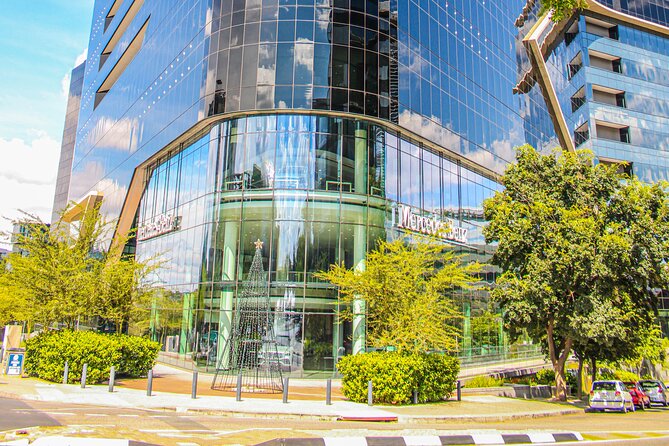
Hallmark House is listed as a 30-minute stop, with time at Deuce Bar and views across Johannesburg. The building has been refurbished and includes residential apartments, a hotel, and the Marabi Club in its basement. Drinks and food options are available there, but alcoholic beverages are not included in your tour price.
This is a lighter break in a serious day. A city view can help you get your bearings, and a short pause gives your mind room to process the prison and political material. I would not book the tour for this stop alone, but it provides a useful change of pace.
The description also refers to Sunday sessions, DJs, cocktails, and fine dining. Those details may relate to the venue’s regular program rather than your daytime visit, so do not assume live music or a full bar experience will be part of the tour.
A few more in Pretoria
- Hartbeespoort Dam: 1 Hour Cruise & Sunday Buffet Lunch
★ 4.2 · 21 reviews - Johannesburg’s Downtown Walking Tour with lunch
★ 4.5 · 17 reviews - Johannesburg and Soweto Private Guided Tour with Shebeen Lunch.
★ 5.0 · 5 reviews - From Cape Town: Big Five Game Reserve with Lunch
★ 4.6 · 2,409 reviews
Soweto makes the political story personal

The move to Soweto is the heart of the experience. Soweto is presented as a symbolic part of South African history, and the tour allows about two hours there. This is where the broad story of laws and institutions becomes a story about homes, families, schools, protest, and daily survival.
The itinerary says the tour is designed to explain how apartheid kept most people oppressed. In Soweto, that subject is easier to understand because the setting connects policy with real communities. The guide’s explanations matter a great deal here. A good guide will help you understand both the restrictions people faced and the ways residents resisted them.
Do not treat Soweto as merely a photo opportunity. Listen for the links between the township, the student protests, Mandela’s life, and the wider campaign against apartheid. You will get more from the visit if you ask how the past continues to shape housing, income, education, and movement in South Africa today.
The experience may be especially useful for first-time visitors to Johannesburg. You see the central city and Soweto in one day, rather than trying to understand each place separately. The tradeoff is pace. Two hours can introduce the area, but it cannot cover every important site or provide a full picture of life there.
Mandela House brings the story indoors

Nelson Mandela’s former home gives the tour a human scale. After hearing about national politics, imprisonment, and protest, you enter a place connected to one person and his family life. The stop is listed at about 30 minutes, with admission included.
That time is enough for a focused visit, but you should expect a compact experience. Mandela House is not a replacement for a longer museum visit or a full study of Mandela’s life. Its value comes from the way it adds context to the person behind the public image.
The tour description refers to Mandela as a Nobel Peace Prize winner, but the stronger reason to visit is the setting itself. A home can reveal a different side of political history than a prison or formal museum. It reminds you that national events were lived through ordinary domestic spaces.
Hector Pieterson Museum remembers June 16
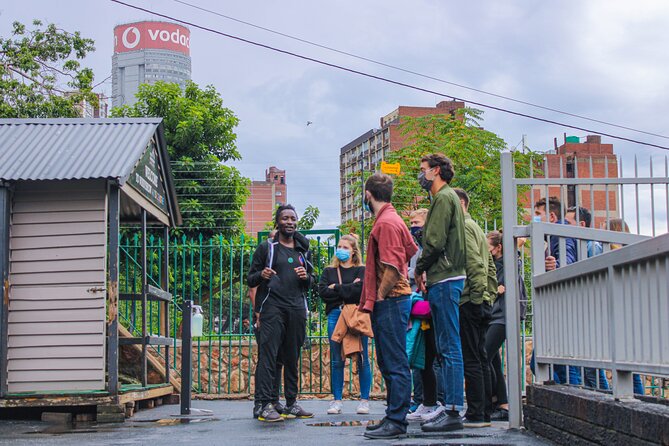
The Hector Pieterson Museum and Memorial focuses on June 16, 1976, when students in South Africa protested against the apartheid education system. The museum is named for Hector Pieterson, a schoolboy whose death became one of the defining images of the uprising.
The planned stop is about 30 minutes, with admission included. Again, that is a short visit for a serious subject. You may need to move through the main displays quickly, so use the guide’s explanation to establish the sequence of events and then spend your limited time on the material that speaks most directly to you.
This stop is important because it shows young people as active participants in the struggle, not just as victims of government policy. It also gives the day an emotional center. The story of June 16 helps explain why Soweto became a global symbol of resistance.
The Apartheid Museum is the day’s major anchor

The Apartheid Museum is described as a must-see, though the amount of time available depends on the day. The itinerary allows about one hour, and admission is included.
One hour is enough to grasp the museum’s main structure and key displays, but it is not enough for a slow, complete visit. If the museum is your main reason for booking, confirm whether the tour allows a full hour inside or whether traffic and earlier stops may reduce that time.
The museum works best after Johannesburg and Soweto. By this point, you have already encountered the city’s mining origins, a former prison, Mandela’s home, and the June 16 uprising. The museum can then pull those strands together, showing how apartheid was built, enforced, challenged, and dismantled.
I would treat this as the tour’s central educational stop. The other visits give you places and personal connections. The Apartheid Museum supplies the broad framework. If the schedule is tight, you may have to choose between reading every display and staying with the group.
What the $106.78 price really covers
At $106.78 per person, this is not a budget walking tour. The value depends on how much you would otherwise pay for transport, admissions, lunch, and separate guiding across Johannesburg and Soweto.
The package includes:
- A guide
- An air-conditioned vehicle
- Coffee or tea
- Lunch
- Museum entrance
- All fees and taxes
- Pickup service
That list makes the price easier to justify. You are not only paying for entry to one museum. You are paying for a full day of movement between two major parts of Johannesburg, historical explanation, transport, and meals.
The value is strongest if you are staying outside central Johannesburg or do not want to arrange transport between Soweto and the city. It is also useful if you want one person to explain the links between sites. The value is weaker if you prefer long museum visits, independent wandering, or a small private tour.
Alcohol is excluded, so budget separately if you plan to order a drink at Hallmark House. The maximum group size is 50 people, which is fairly large. A group that size can make movement easier, but it may limit personal questions and make short stops feel even shorter.
The guide can make or break the day
Several direct comments about the company’s tours praise friendly, caring guides and strong local explanations. One positive account specifically describes a host named Tye as kind and passionate. Another describes a personalized Johannesburg and Soweto experience, while a separate account praises a guide for meeting someone at the Gautrain station and helping with the return trip.
Those details suggest that the human side of the experience can be a major strength. I would still keep expectations practical. The information does not guarantee that Tye will lead your departure, and guide quality can vary by date.
Ask questions throughout the day. Ask how the gold economy shaped segregation, why June 16 became such a turning point, and which apartheid-era systems still affect South Africa. You will get far more from the tour if you treat the guide as a source of interpretation rather than simply a driver between stops.
The company’s wider feedback is mixed. Many comments praise warmth, safety, flexibility, and personal attention, while at least one complaint describes poor communication, an incomplete itinerary, and transport problems on another tour. That does not prove this experience will have the same issues, but it is a good reason to confirm pickup details and the day’s plan before setting out.
Timing, pickup, and comfort
The experience lasts approximately four to eight hours, a wide range that reflects traffic, museum timing, group size, and the number of stops completed. You should plan your day around the possibility of a long outing rather than assuming a precise half-day schedule.
Pickup is offered, and the vehicle is air-conditioned. The tour is listed in Pretoria, but the itinerary focuses on Johannesburg and Soweto. Confirm the pickup point, pickup time, and whether Pretoria transport is included before paying, since the distance can affect the day considerably.
Coffee or tea and lunch are included. The exact lunch venue and menu are not specified, so anyone with dietary needs should ask in advance. The tour is near public transportation, and most participants can take part, but the schedule includes walking in Maboneng, Marshalltown, and museum precincts.
You should wear comfortable shoes and bring water. That is simple advice for a day split between vehicle travel, walking, and indoor exhibits. Because the group may reach 50 people, stay aware of the meeting points and listen carefully when the guide gives departure instructions.
Who will enjoy this experience most
I would recommend this tour to you if you:
- Want a guided introduction to apartheid and its continuing effects
- Prefer seeing Johannesburg and Soweto in one day
- Value included transport, lunch, and museum admissions
- Are visiting Johannesburg for the first time
- Want historical context rather than nightlife or shopping
- Feel more comfortable moving around with a guide
You may want another option if you:
- Need a small group
- Want several hours inside the Apartheid Museum
- Prefer to explore Maboneng at your own pace
- Already know Johannesburg’s history well
- Dislike a full schedule with frequent transitions
The experience is also a good fit for people who want emotional range. It includes difficult subjects, but it also shows culture, redevelopment, city views, and present-day life. That mix prevents the day from becoming a sequence of prison and protest sites with no connection to Johannesburg now.
Should you book the Apartheid History of South Africa experience?
Book it if you want a guided, all-in-one introduction to Johannesburg’s apartheid story and you accept a brisk pace. The strongest reason to choose it is the route: gold-mining origins, central Johannesburg, Constitution Hill, Soweto, Mandela House, Hector Pieterson Museum, and the Apartheid Museum all support one connected narrative.
At $106.78, the inclusion of lunch, transport, museum entry, drinks, taxes, and a guide gives the tour reasonable value. I would confirm the Pretoria pickup, the exact time at the Apartheid Museum, lunch arrangements, and which admissions are covered before booking.
Skip it if your priority is slow, detailed museum study or a very small group. For everyone else, this offers a useful first look at how Johannesburg was built, how apartheid worked, and why its effects still matter.
Free cancellation is available if you cancel at least 24 hours before the local start time. Changes or cancellations made within 24 hours are not refundable.
FAQ
Where does the tour take place?
The experience is listed in Pretoria, but the itinerary covers Johannesburg city center and Soweto. Confirm the exact pickup location before booking.
How long does the experience last?
The advertised duration is approximately four to eight hours.
Is pickup available?
Yes. Pickup is offered, but the supplied details do not specify all pickup locations or times.
Is lunch included?
Yes. Lunch, coffee or tea, and all fees and taxes are included. Alcoholic beverages are not included.
Are museum admissions included?
Museum entrance is included in the overall tour inclusions. The Constitution Hill stop separately says admission is not included, so confirm this point before departure.
What group size should I expect?
The maximum group size is 50 people.
Can I cancel for a full refund?
Yes, if you cancel at least 24 hours before the experience start time. Cancellations or changes made less than 24 hours before the local start time are not accepted for a refund.
More History Tours in Pretoria
- History Bicycle Tour of Soweto
★ 4.0 · 7 reviews - Cape Town: Art, Culture & History Walking Tour
★ 4.9 · 392 reviews - Stellenbosch: Guided Historical Walking Tour
★ 4.7 · 283 reviews - Stellenbosch: Historical Bike Tour & Wine Tasting
★ 4.9 · 248 reviews
Just added in Pretoria
- Kruger National Park 2 Days 1 Night Magical Safari from Johannesburg Private★ 5.0 · 5 reviews
- All inclusive BIG 5 Kruger 2 Day Safari from Johannesburg★ 5.0 · 11 reviews
- BIG 5 Kruger 3 Days Safari from Johannesburg★ 4.5 · 7 reviews
- Johannesburg,Soweto and Apartheid Museum full-day tour★ 5.0 · 7 reviews
- Shuttle Transfer from Gauteng to Greater Kruger★ 5.0 · 19 reviews
- Johannesburg guided city tour★ 4.5 · 4 reviews
- Johannesburg and Apartheid museum tour★ 5.0 · 5 reviews
- Johannesburg & Pretoria Photo Tour★ 4.0 · 4 reviews
Apartheid Museum Tours, compared.

Soweto /Johannesburg and Apartheid Museum Guided Full Day Tour
Read our review →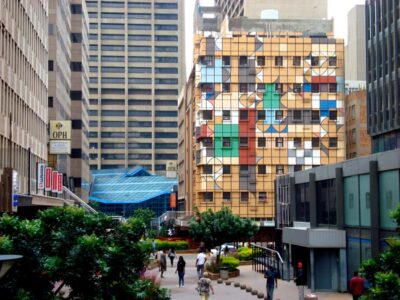
Jo’berg in 1 Day: Soweto, Apartheid Museum & City Tour
Read our review →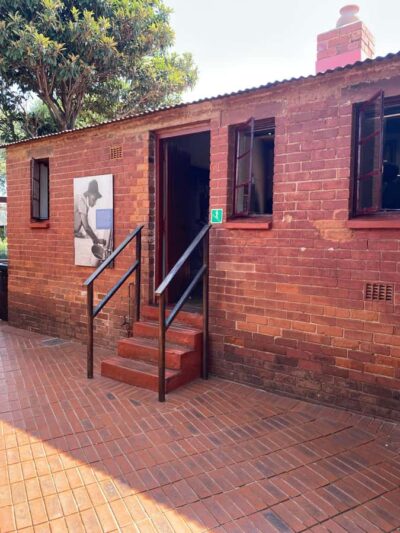
Full-Day Tour with Soweto and Apartheid Museum
Read our review →
Full-Day Soweto, Apartheid Museum and Lunch Tour
Read our review →
Half Guided Day Tour of Soweto And Apartheid Museum
Read our review →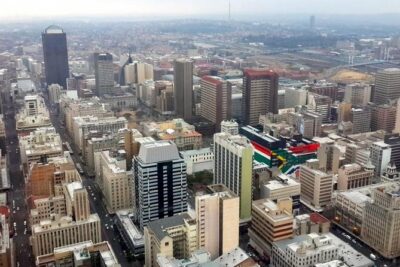
Ultimate Johannesburg Soweto Experience with Apartheid Museum
Read our review →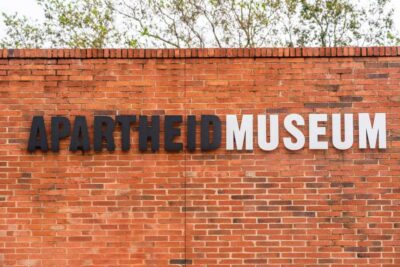
Hop-On Hop-Off Bus, City Tour and Apartheid Museum
Read our review →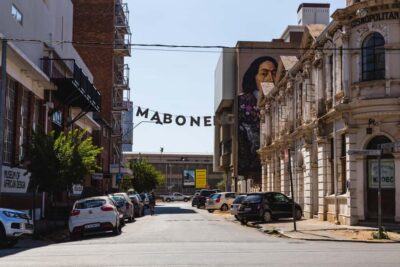
Johannesburg and Soweto Apartheid Full Day Tour w/Lunch
Read our review →Browse the lists this tour appears in