
REVIEW · APARTHEID MUSEUM TOURS
Soweto & Apartheid Museum
History feels close here. This private Johannesburg tour links Soweto’s streets and landmarks with the Apartheid Museum, giving you context that is hard to gather alone. I especially like the private vehicle and the chance to hear personal insight from guides such as Banele and Tsholo. I also appreciate the included water and snacks, though the day can feel packed, and lunch is not provided.
You spend about five to seven hours moving between major sites, with pickup available from selected Johannesburg locations. The main drawback is that the itinerary covers a lot in one day, so the Apartheid Museum visit lasts about one hour, which may feel short if you read every display carefully.
In This Review
- Key points to know before you book
- Why combine Soweto with the Apartheid Museum?
- Starting at FNB Stadium
- Orlando Towers and the changing face of Soweto
- Two hours through Soweto’s neighborhoods
- Regina Mundi Church and the role of faith
- Vilakazi Street and two famous homes
- Hector Pieterson Memorial and Museum
- Entering the Apartheid Museum
- The guide’s role in a difficult subject
- Transport, timing, and what to bring
- Is the $97.26 price good value?
- Who should book this day?
- Should you book the Soweto and Apartheid Museum Tour?
- FAQ
- How long does the Soweto and Apartheid Museum Tour last?
- What is the price?
- Is hotel pickup available?
- Is this a private tour?
- Is admission to the Apartheid Museum included?
- How much time is spent at the Apartheid Museum?
- What is included in the vehicle service?
- Is lunch included?
- Is there a restroom on the vehicle?
- Can I cancel for a full refund?
Key points to know before you book

- Private touring makes the day flexible: Only your group participates, so you can ask questions and set the pace within the planned stops.
- Soweto is more than a photo stop: The route includes Vilakazi Street, Regina Mundi Church, Freedom Square, a squatter camp, and the Hector Pieterson Memorial and Museum.
- The guide adds essential context: Banele and Tsholo have been praised for explaining apartheid’s continuing effects, not just pointing out landmarks.
- The Apartheid Museum visit is compact: You receive admission to the main exhibition and Mandela exhibition, with about one hour inside.
- Transport is easy but basic: Pickup is offered from selected Johannesburg locations in an air-conditioned vehicle, with bottled water and snacks included.
- This is a serious history day: You will see famous sites, but you should also expect difficult subjects and honest discussion about inequality and reconciliation.
Why combine Soweto with the Apartheid Museum?
Soweto and the Apartheid Museum tell different parts of the same story. In Soweto, you see places tied to daily life, protest, politics, faith, sport, and inequality. At the museum, those themes are placed into a wider national timeline.
I like this pairing because it prevents the day from becoming a string of disconnected sightseeing stops. The museum gives you historical structure, while Soweto gives that history a physical setting. A guide can explain why a church, stadium, memorial, or neighborhood matters instead of leaving you to guess.
This is also useful if Johannesburg is your first stop in South Africa. Apartheid shaped the country’s cities, housing patterns, politics, and social divisions. A good guide helps you connect what you see in Soweto with the continuing work of reconciliation.
The tour is private, which matters here. You are not sharing the day with a large busload of strangers, and your questions can shape the conversation. That personal approach has been one of the strongest features of the experience, especially when guides explain the subject through lived experience.
More Museums in Johannesburg
- Soweto /Johannesburg and Apartheid Museum Guided Full Day Tour
★ 5.0 · 932 reviews - Jo’berg in 1 Day: Soweto, Apartheid Museum & City Tour
★ 4.8 · 524 reviews - Johannesburg: Full-Day Tour with Soweto and Apartheid Museum
★ 4.8 · 478 reviews
Starting at FNB Stadium
The first scheduled stop is FNB Stadium, with about 30 minutes set aside and admission included. The stadium is one of Soweto’s best-known modern landmarks and gives the day an immediate sense of scale.
You should not expect a long stadium tour based on the information provided. This is a short stop, likely intended for viewing and explanation rather than a full behind-the-scenes visit. Your guide can place the building in the setting of Soweto and explain why it matters to the area’s identity.
The stop also helps break up the heavier museum material later. Sport is a major part of public life, and FNB Stadium gives you a glimpse of the contemporary side of Soweto before the itinerary turns more directly toward apartheid-era events.
Orlando Towers and the changing face of Soweto
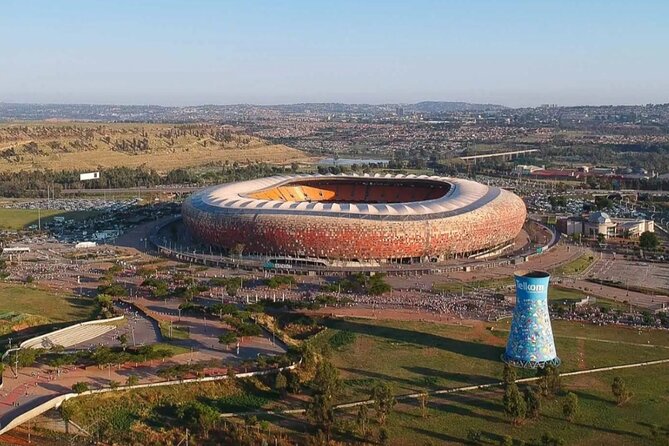
Orlando Towers receives about 30 minutes as a separate stop. The towers are instantly recognizable and make a strong visual marker in the area. They are also a reminder that former industrial structures can take on new meaning over time.
The tour includes a second reference to Orlando Towers during the broader Soweto drive. That suggests you may see the towers from more than one angle, although the exact order can depend on the day’s traffic and route.
I would treat this as a viewpoint and orientation stop, not a full activity session. The supplied details do not promise tower climbing, bungee jumping, or any other adventure. You are there to see the landmark and hear about its place in Soweto.
Two hours through Soweto’s neighborhoods
The main Soweto portion lasts about two hours and covers a wide range of places. This is where the private format earns its keep, since your guide is expected to explain the difference between famous public sites and ordinary residential areas.
The route includes Chris Hani Baragwanath Hospital, one of the area’s major reference points. It also passes Maponya Mall, which offers a look at modern commerce and everyday life. These stops help you see Soweto as a living community, not only as a historic setting.
Freedom Square is another important stop. The name carries political weight, and your guide can explain its connection to the struggle against apartheid and the hopes for a more equal South Africa. You should allow room for serious conversation here. This is not a quick photo-only circuit.
A squatter camp visit is also included. This may be one of the most confronting parts of the day, since it brings current housing challenges into the discussion. The description uses the term squatter camp, while the experience may also be described as an informal settlement. Either way, approach the stop with respect. It is a place where people live, not a staged attraction.
More Soweto tours:
- Johannesburg: Hop-On Hop-Off Bus with Optional Soweto Tour
★ 4.6 · 985 reviews - Johannesburg Hop-On Hop-Off City Tour with Soweto Option
★ 4.5 · 768 reviews - Half-Day Tour of Soweto Tour
★ 4.5 · 712 reviews - Soweto: Walking Tour with a Local Guide and Lunch
★ 4.9 · 648 reviews
Regina Mundi Church and the role of faith
Regina Mundi Church adds another layer to the Soweto visit. Churches played an important role during the apartheid era, offering space for meetings, shelter, protest, and community support. The tour includes the church as part of the wider historical route.
The information provided does not promise a formal church service, special access, or a long interior visit. Your guide’s explanation is likely to be the main value. Ask questions if you want to understand how faith communities responded to political violence and pressure.
This is a useful reminder that resistance did not happen only in government buildings or on famous streets. Religious spaces, homes, schools, and hospitals also became part of the country’s political story.
Vilakazi Street and two famous homes
Vilakazi Street is one of the best-known streets in Soweto because it is associated with both Nelson Mandela and Desmond Tutu. The tour includes visits to or views of Mandela’s house and Tutu’s house.
Having both homes on one street gives the stop unusual weight. Mandela became South Africa’s most internationally recognized political leader, while Tutu played a major role in religious leadership and reconciliation. Seeing their former homes together helps you understand how one neighborhood connected different strands of the anti-apartheid movement.
The exact admission arrangements are not specified for these houses, so you should not assume that a full interior tour is included. The listed admission details specifically identify the Apartheid Museum as included, while the Soweto sightseeing section is marked as free admission.
Vilakazi Street can also be one of the more crowded or commercial parts of the route, depending on conditions that day. That is not necessarily a weakness. It shows how historic places become part of modern tourism and local business, but you may prefer the quieter, more reflective stops.
Hector Pieterson Memorial and Museum
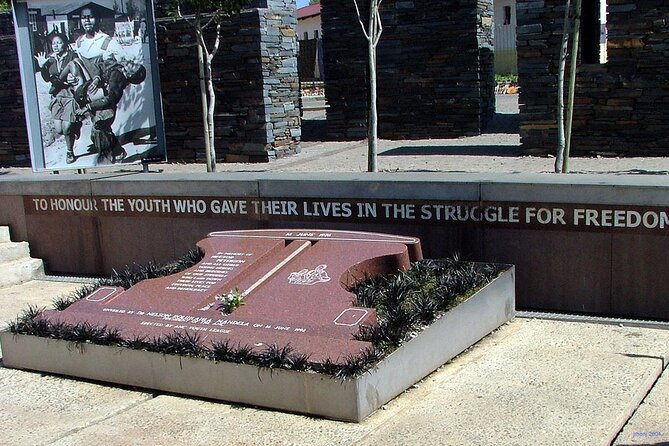
The Hector Pieterson Memorial and Museum is among the most important stops on the route. It focuses on the 1976 Soweto uprising, when students protested against the apartheid education system.
The memorial gives the day a human focus. Instead of treating apartheid as a set of laws and dates, it brings attention to young people, families, education, and the cost of state violence. The museum is listed as part of the Soweto visit, with no separate admission charge stated.
You should expect this stop to be emotionally serious. The supplied schedule allows about two hours for the entire Soweto section, not two hours at the memorial alone, so your time inside may be limited. If this subject matters greatly to you, tell your guide early that you would like enough time to take in the museum.
Entering the Apartheid Museum
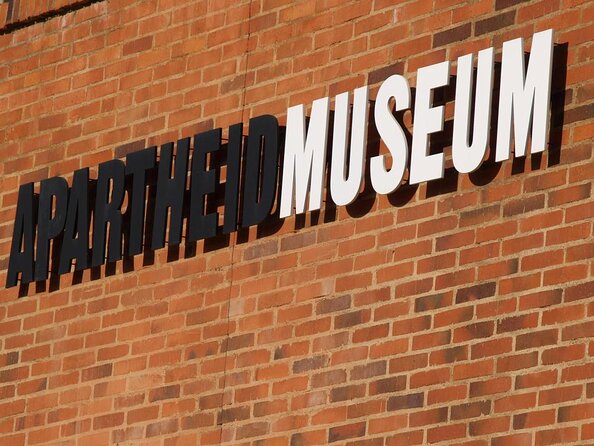
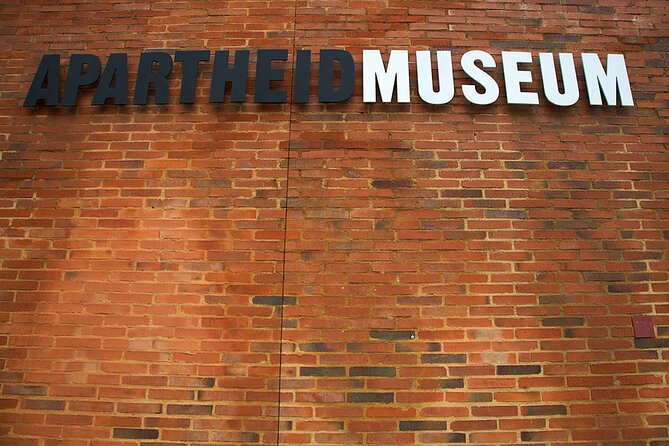
The Apartheid Museum is the final major stop, with about one hour allocated and admission included. You receive access to the main Apartheid Exhibition and the Mandela Exhibition.
The museum is the day’s most structured history lesson. It can help you place Soweto’s landmarks into a timeline that includes racial classification, segregation, forced removals, political resistance, imprisonment, and the transition to democracy. The Mandela section adds a more focused look at one figure within that larger struggle.
One hour is enough for an introduction, but it is not enough for a slow reading of every panel. The museum can be demanding, and you may find yourself wanting more time. The tour’s strength is that it lets you visit the museum without giving up the wider Soweto experience. Its weakness is the tradeoff in depth.
If you prefer museums at your own pace, this is the part of the tour to consider carefully. You can ask your guide whether the schedule allows any adjustment, but the experience is designed as a combined day rather than a full museum study visit.
The guide’s role in a difficult subject
The guide is not just a driver or escort on this experience. The strongest accounts of the day praise Banele for being polite, efficient, and able to explain key apartheid sites in a personalized way. Tsholo has also been praised for connecting the tour to personal experience and the continuing effects of apartheid.
That distinction matters. You can read about apartheid before arriving, but a guide can explain how the past still affects housing, opportunity, identity, and reconciliation. You should use the private setting to ask direct questions, while also remembering that no single guide can represent every South African view.
The tour does not promise a formal academic lecture. Its value is more practical: you see places, hear their stories, and have someone available to connect them. The best experience will depend partly on how actively you participate.
Transport, timing, and what to bring
The tour lasts approximately five to seven hours. That range allows for traffic, pickup arrangements, time at each site, and the pace of your group. Johannesburg traffic can affect a day built around several separate stops, so keep your schedule afterward reasonably open.
Pickup is offered from selected locations in Johannesburg. Confirm that your accommodation is within the pickup area before booking. The vehicle is air-conditioned, which is useful for a long day of moving between outdoor and indoor stops.
Bottled water and snacks are included. Lunch is not, and there is no restroom on board. Eat before departure and carry any extra water or food you may need. Since the route includes museums, churches, neighborhoods, and outdoor viewpoints, comfortable clothing and shoes make sense.
A mobile ticket is provided, and booking confirmation arrives at the time of booking. Most people can participate, but the day involves several stops and some walking. If you have mobility concerns, ask the provider for more specific details before paying, since the available information does not describe access at every site.
Is the $97.26 price good value?
At $97.26 per person, this is not the cheapest way to see Soweto. The value comes from combining private transport, a guide, included museum admission, water, snacks, and a full half-day route in one package.
The private format is the key factor. If you are traveling with family or friends, the price may make more sense because only your group participates. You are also paying for local interpretation, which is especially important when visiting places connected to painful and politically sensitive events.
The price is less attractive if you mainly want a quick drive past landmarks or a long, unhurried museum visit. Lunch is extra, and some Soweto stops do not list a separate admission fee. I would choose this tour for the guide’s explanations and the convenience of the complete route, not simply for the number of attractions.
The experience is booked an average of 53 days ahead, so early planning is sensible if your Johannesburg dates are fixed. Free cancellation is available if you cancel at least 24 hours before the start time. Inside that window, you receive no refund, and changes are not accepted.
Who should book this day?
I would recommend it to first-time Johannesburg visitors who want a clear introduction to Soweto and apartheid-era history. It suits couples, families, and small groups that value private transport and the ability to ask questions.
It also works well for you if you want to see several famous sites without arranging separate drivers, tickets, and routes. The tour gives you a useful framework for later exploring Johannesburg on your own.
I would hesitate to recommend it to museum enthusiasts who want several hours inside the Apartheid Museum. I would also caution anyone expecting a light sightseeing outing. The squatter camp, memorial, and apartheid material require respect and emotional attention.
Should you book the Soweto and Apartheid Museum Tour?
Book it if you want a guided, private introduction to Johannesburg’s most important modern history. The combination of Orlando Towers, FNB Stadium, Vilakazi Street, Hector Pieterson Memorial, and the Apartheid Museum gives you both place and context.
The best reason to choose it is the guide-led discussion, especially if you are matched with a guide such as Banele or Tsholo. The main compromise is time: the itinerary is broad, and the museum portion is brief.
For most first visits, I think the convenience and personal explanation justify the $97.26 cost. Go in prepared for a serious day, confirm pickup, plan lunch separately, and tell your guide which sites deserve extra time.
FAQ
How long does the Soweto and Apartheid Museum Tour last?
The tour lasts approximately five to seven hours.
What is the price?
The listed price is $97.26 per person.
Is hotel pickup available?
Pickup is offered from selected locations in Johannesburg. You should confirm that your location is included.
Is this a private tour?
Yes. Only your group participates in the activity.
Is admission to the Apartheid Museum included?
Yes. Admission includes the main Apartheid Exhibition and the Mandela Exhibition.
How much time is spent at the Apartheid Museum?
About one hour is allocated to the Apartheid Museum.
What is included in the vehicle service?
An air-conditioned vehicle is included, along with bottled water and snacks.
Is lunch included?
No. Lunch is not included.
Is there a restroom on the vehicle?
No. A restroom is not available on board.
Can I cancel for a full refund?
Yes, if you cancel at least 24 hours before the experience start time. Cancellations made within 24 hours are not refunded.
More Apartheid Museum Tours
- Full-Day Soweto, Apartheid Museum and Lunch Tour
★ 5.0 · 410 reviews - Half Guided Day Tour of Soweto And Apartheid Museum
★ 5.0 · 356 reviews - Ultimate Johannesburg Soweto Experience with Apartheid Museum
★ 5.0 · 313 reviews - Soweto: Hop-On Hop-Off Bus, City Tour and Apartheid Museum
★ 4.5 · 250 reviews
Just added in Johannesburg
- Private Soweto Tour 5 hours approximately from Johannesburg or Pretoria.★ 4.5 · 9 reviews
- bicycle tour soweto★ 4.5 · 20 reviews
- Full-day Johannesburg Bike Or Walking tour – With Transport★ 5.0 · 10 reviews
- Taste of Africa★ 5.0 · 9 reviews
- Two day Kruger National Park Safari from Johannesburg★ 5.0 · 19 reviews
- Pilanesberg National Park Safari, BIG 5 Full Day★ 5.0 · 4 reviews
- Sun City Day Tour From Johannesburg★ 4.5 · 6 reviews
- Half-Day Walking Tour in Soweto★ 5.0 · 38 reviews
Apartheid Museum Tours, compared.

Soweto /Johannesburg and Apartheid Museum Guided Full Day Tour
Read our review →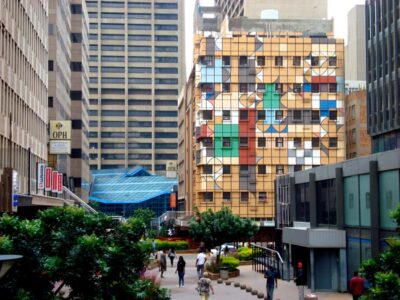
Jo’berg in 1 Day: Soweto, Apartheid Museum & City Tour
Read our review →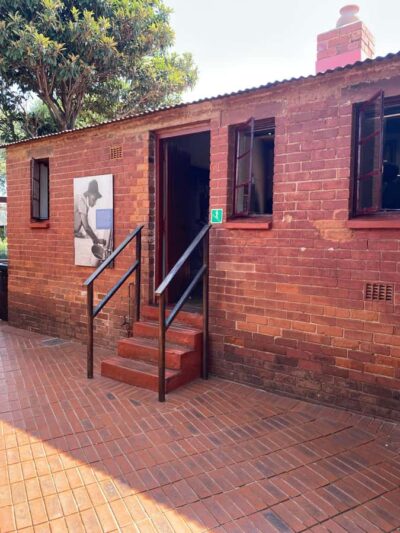
Full-Day Tour with Soweto and Apartheid Museum
Read our review →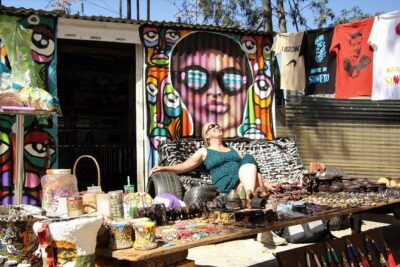
Full-Day Soweto, Apartheid Museum and Lunch Tour
Read our review →
Half Guided Day Tour of Soweto And Apartheid Museum
Read our review →
Ultimate Johannesburg Soweto Experience with Apartheid Museum
Read our review →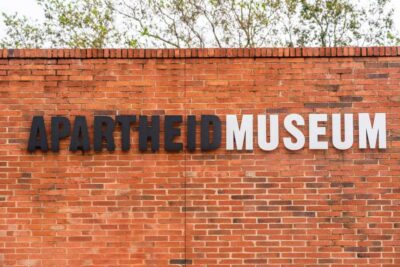
Hop-On Hop-Off Bus, City Tour and Apartheid Museum
Read our review →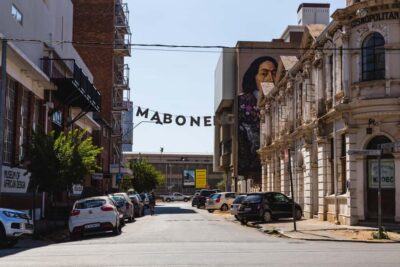
Johannesburg and Soweto Apartheid Full Day Tour w/Lunch
Read our review →Browse the lists this tour appears in