
REVIEW · CRUISES & BOAT TOURS
St Lucia: Hippo and Crocodile Cruise on a 15-Seat Vessel
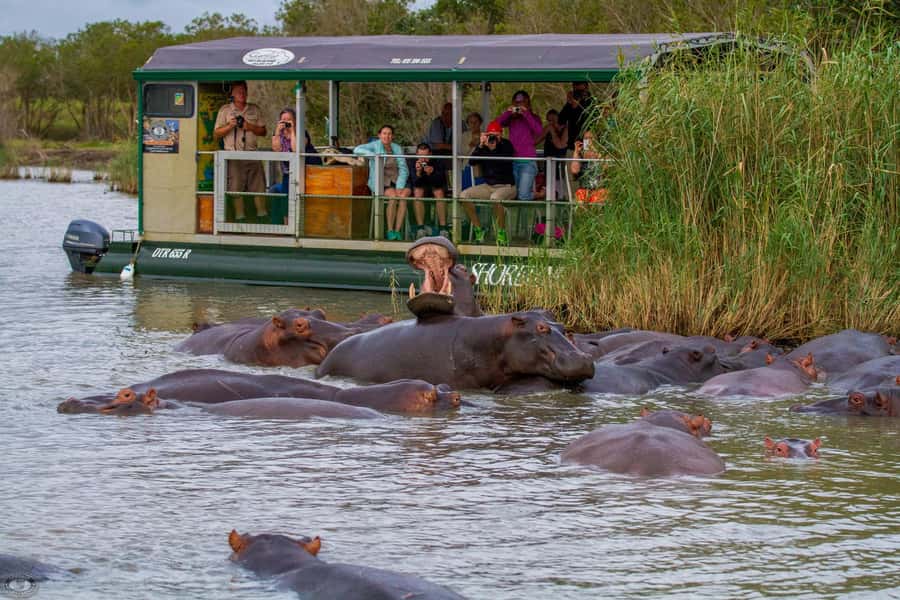
Hippos make this two-hour cruise hard to forget. Shoreline Boat Cruises takes you onto Lake St Lucia, part of iSimangaliso Wetland Park, where you can watch hippo families at close range and search the reed-lined banks for Nile crocodiles. I especially like the small 15-seat boat, which keeps everyone close to the water, and the guides, who add useful facts instead of simply pointing at animals. The $23 price also makes this one of the better-value wildlife outings in St Lucia.
The main caution is that crocodiles are less reliable than hippos. You may see several, or none at all, depending on weather, water conditions, and where they are hiding. The jetty and entrance area are basic, and the boat has no upper deck, so thick reeds can sometimes block a view of an animal on land.
In This Review
- The five things I would know before booking
- Setting out from the St Lucia Estuary
- Why Lake St Lucia matters
- The first wildlife stretch, hippos at water level
- Searching for Nile crocodiles
- Birds, trees, and the wider estuary
- The guides make the difference
- Value at $23 per person
- Timing, weather, and practical comfort
- Who should choose this cruise?
- Should you book the St Lucia cruise?
- FAQ
- How long is the St Lucia hippo and crocodile cruise?
- How much does the cruise cost?
- Where does the cruise depart from?
- How early should I arrive?
- What animals might I see?
- Is food included?
- What should I bring?
- What happens if the weather cancels the cruise?
- What language is the tour conducted in?
The five things I would know before booking
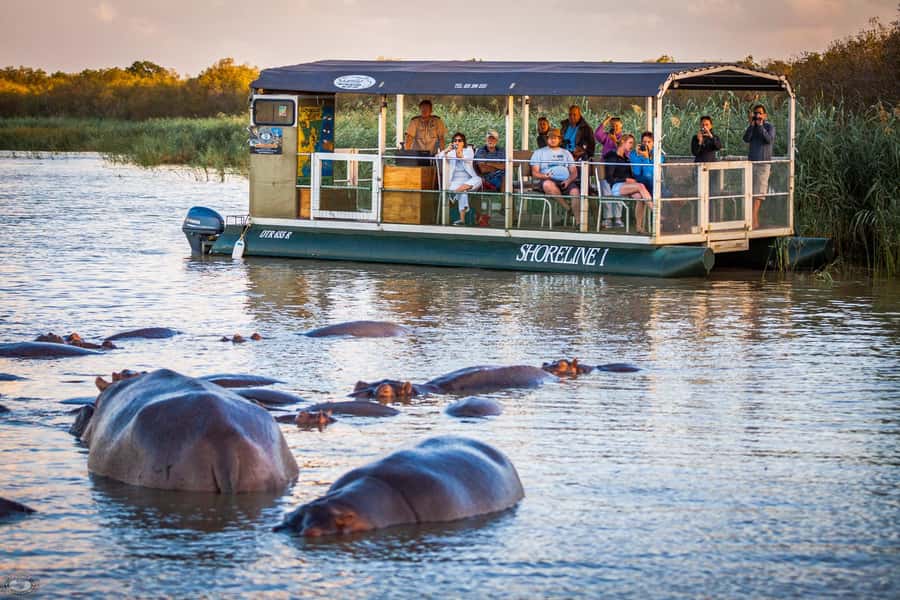
- Hippos are the main event: You are very likely to see several pods, often close to the boat.
- The 15-seat vessel helps: Its low profile gives you a clear, water-level view and enough room to shift position for photographs.
- Guides add real value: Skippers and rangers explain hippo behavior, crocodiles, birds, trees, and the estuary’s wider ecology.
- Crocodiles are a bonus, not a promise: Some cruises produce excellent sightings, while others produce only a glimpse or none.
- Late afternoon can be rewarding: One outing found the hippos more active as the day went on, and sunset cruises can bring especially attractive light.
- Pack for changeable weather: Bring a jacket, binoculars, and snacks. You may bring your own refreshments aboard.
Setting out from the St Lucia Estuary
You meet at Siyabonga Jetty, just before the bridge on the left as you approach St Lucia. Arrive 15 minutes before departure. Parking is available on both sides of the road, and you can drive yourself to the meeting point rather than needing a hotel transfer.
The setting is plain and practical. The jetty has been described as run-down, and the entrance area could use improvement, but this does not change the wildlife experience once the boat leaves shore. Keep your expectations realistic here: you are coming for the estuary, not polished marina facilities.
The cruise lasts two hours, which is long enough to reach the main wildlife areas without turning into an all-day commitment. That timing works well if you are fitting the boat between a game drive, a visit around St Lucia town, or another iSimangaliso activity.
The vessel carries 15 people and sits low on the water. I see that as a real advantage for hippo watching. You are not looking down from a tall sightseeing boat, so the animals feel close and immediate. At the same time, the boat is large enough for people to spread out and find a good viewing angle.
There is a roof, which helps with strong sun and light rain. It does not make the boat fully weatherproof, though. A drizzle can still make the ride chilly, especially when you have dressed for warm South African weather. A light jacket belongs in your bag even on a bright morning.
More Boat Trips in South Africa:
- Cape Town: Hop-On Hop-Off Bus Tour with Optional Cruise
★ 4.8 · 3,929 reviews - Cape Town Hop-On Hop-Off City Tour with Optional Cruise
★ 4.5 · 1,793 reviews - Hermanus: Boat Based Whale Watching Experience
★ 4.4 · 1,180 reviews
Why Lake St Lucia matters
Lake St Lucia is part of iSimangaliso Wetland Park, a protected area on the KwaZulu-Natal coast. The estuary is one of Africa’s largest, and its mix of water, mudflats, grasses, reeds, and shoreline habitat supports a large range of wildlife.
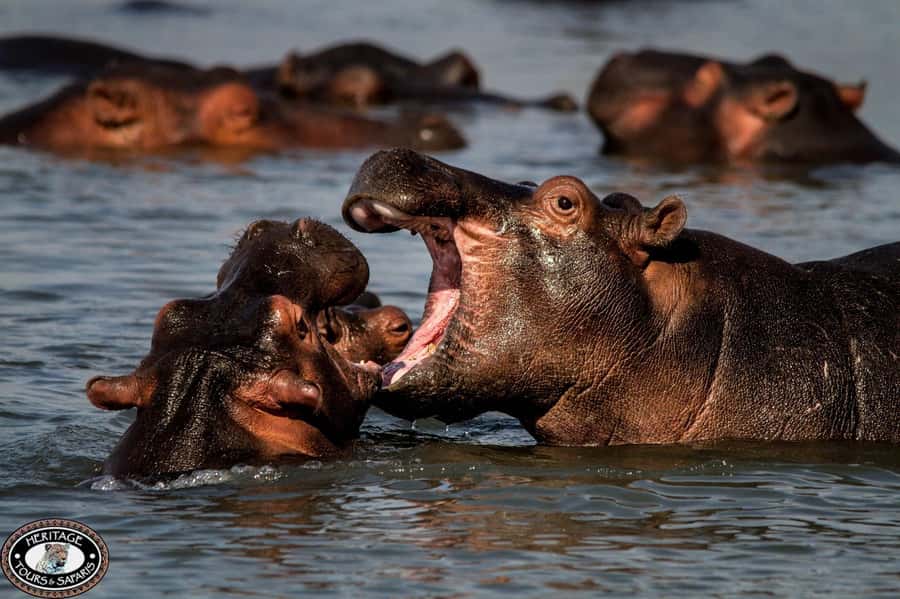
The hippo population is the reason most people book this cruise. St Lucia is known as the home of South Africa’s largest hippo population, and the animals are not difficult to find on a good outing. Several family groups may be resting in the water, with only rounded backs, ears, eyes, and broad nostrils visible above the surface.
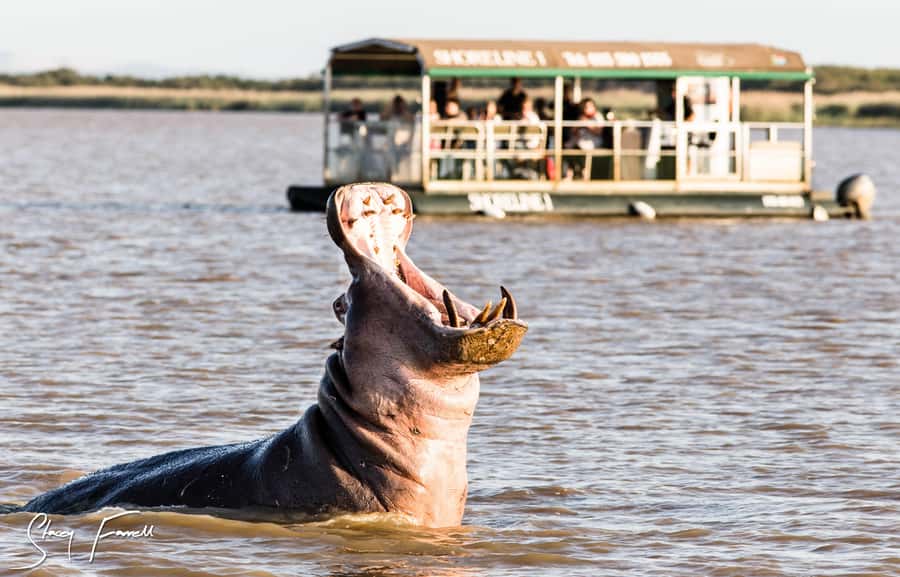
That partial view is part of the fun. A hippo may sink without warning, then reappear a few metres away. You hear snorts and splashes, watch ears twitch, and wait for a large head to rise. The guide helps you understand what you are seeing, rather than leaving you to stare at a grey shape and guess.
Your guide may also point out the way hippos gather in separate groups. Several outings have found three family groups during the two-hour ride. The boat can move between these areas at a careful pace, giving you time to watch instead of rushing past for a single photograph.
The first wildlife stretch, hippos at water level
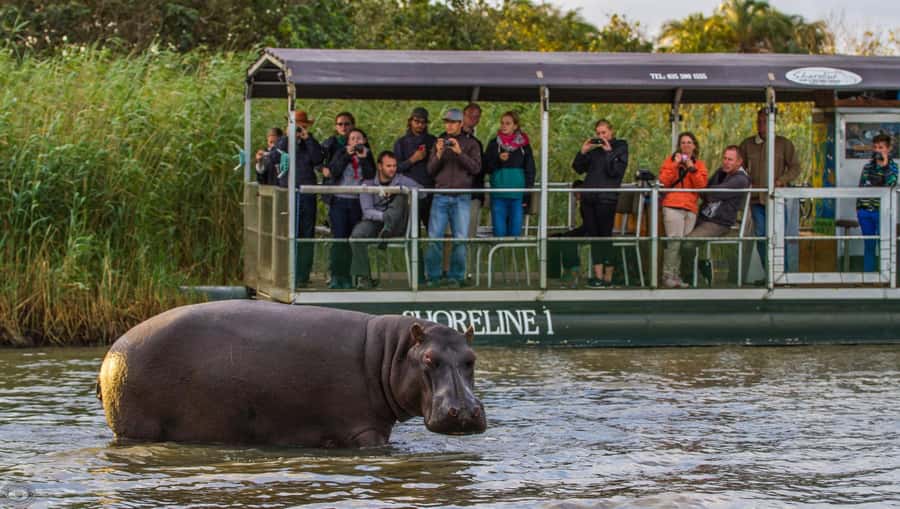
Once you reach the areas where the hippos gather, the pace becomes calm. This is not a high-speed safari. The skipper positions the boat and lets you look, listen, and take photographs while the animals remain in the water.
This is where the low boat pays off. Everyone has a reasonable chance of seeing over the side, and the 15-seat layout allows people to move their attention from one side to the other. You may find a hippo surfacing beside one bank while another group rests farther out.
The guides have been praised for being patient with questions and for waiting while people take photographs. That matters because wildlife watching rarely follows a schedule. A good skipper knows that the best moment may come after a quiet minute, when a hippo opens its mouth or a calf appears beside its mother.
Several family groups can make the outing feel more like a proper wildlife safari than a short sightseeing ride. You are not simply guaranteed one quick look and sent home. Still, remember that the boat follows the animals’ routine. A group may be resting low in the water, and dense reeds can hide hippos on shore.
One limitation is the absence of an upper level. From a taller boat, you might see over the reeds to an animal standing on land. Here, your view is better across open water than through thick vegetation. For most hippo sightings, that low position works beautifully. For land animals behind the reeds, it can be frustrating.
Searching for Nile crocodiles
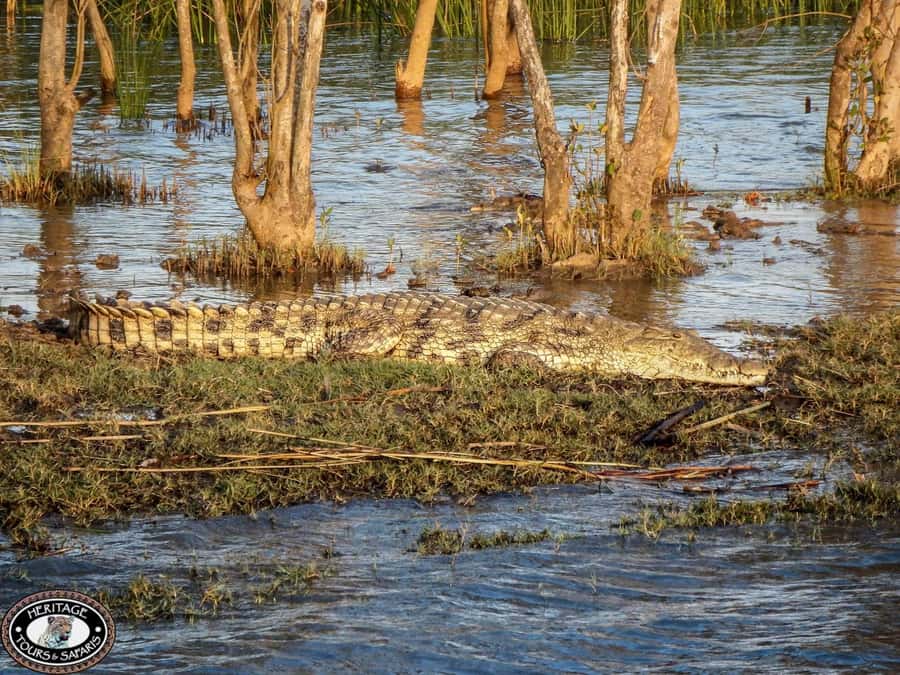
Crocodile watching is less predictable. The estuary contains Nile crocodiles, but they often lie still among grass or along the banks. Their camouflage is excellent, and weather can affect how easy they are to spot.
Some outings have found groups of crocodiles gathered around a carcass. Others have produced five crocodiles, a few small ones, or a single brief sighting. On some trips, none appeared. I would book this cruise for hippos first and treat crocodiles as an extra reward.
The guide’s skill helps here. Experienced eyes can notice a snout or ridged back that you would miss from the boat. The skipper may steer toward a likely bank and give you time to inspect it. Even then, there is no honest way to promise a crocodile sighting.
This uncertainty is normal for a wildlife cruise, and it is worth accepting before you board. If crocodiles are your top priority, you may leave disappointed. If you want a close look at the estuary’s wildlife as a whole, the search adds another layer to the ride.
A few more in South Africa
- Hluhluwe-Imfolozi Park Full Day Big 5 Safari Tour
★ 5.0 · 310 reviews - Shoreline Hippo and Crocodile Boat Cruises, iSimangaliso Wetland Park
★ 4.5 · 187 reviews - Hippo and Croc Boat Cruise in Saint Lucia with collection
★ 4.5 · 123 reviews - iSimangaliso Wetland Park, Full Day Tour
★ 5.0 · 87 reviews
Birds, trees, and the wider estuary
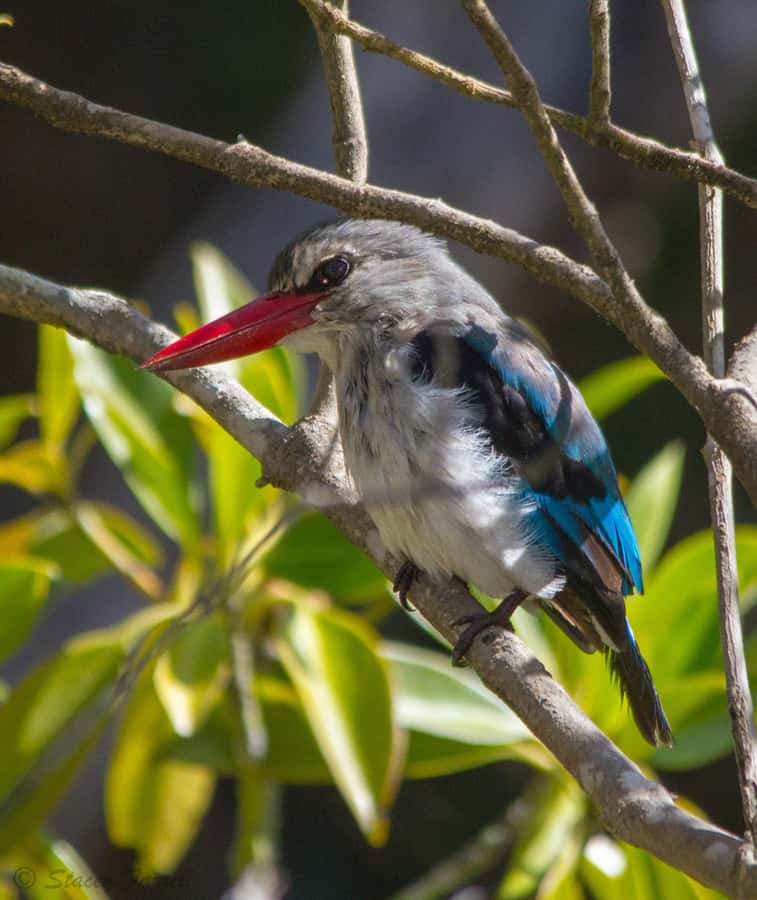
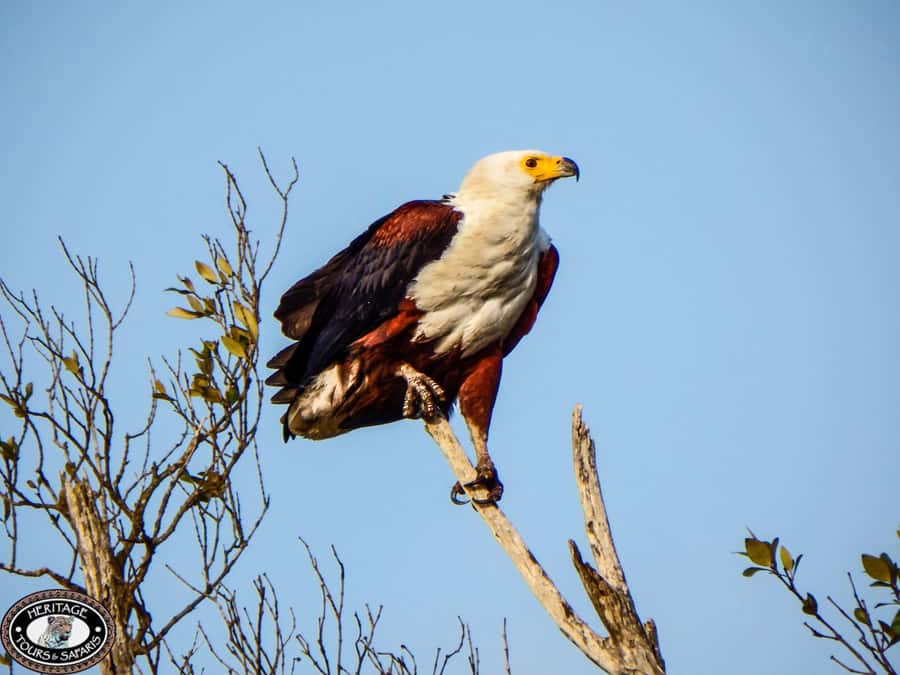
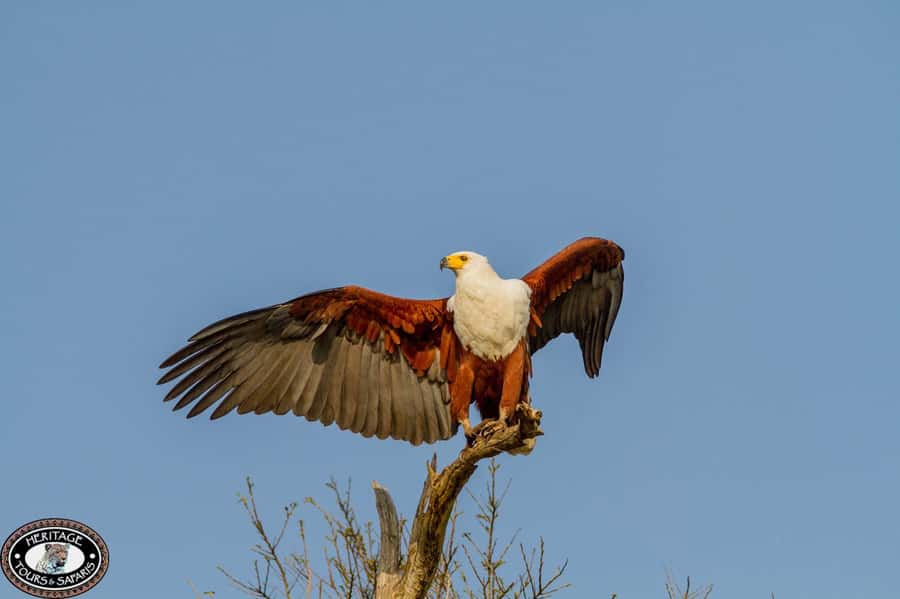
The cruise is not only about large animals. Lake St Lucia supports hundreds of bird species, and the guides often pause to point out birds along the water and banks. You might see an African fish eagle, along with smaller birds that are easier to appreciate with binoculars.
The guides also explain trees, nesting habits, and the links between the estuary’s plants and animals. This wider information helps you understand why hippos and crocodiles live here. You begin to see the waterway as a working habitat, not just a scenic background for photographs.
Bring binoculars if you have them. They are especially useful for birds perched farther away and for animals partly hidden in grass. You can also bring snacks and your own drinks, since food and refreshments are not included.
The scenery is a strong part of the outing. Water, banks, reeds, and the surrounding African setting create a quiet change from the streets of St Lucia. At sunset, the light can add a warm glow to the water and make hippos silhouetted against the shore look especially striking. Morning departures may offer a cooler, fresher ride, but the later hours can bring more activity from the hippos.
The guides make the difference
The best part of this experience may be the people steering and explaining it. Guides such as Thobile, Brandon, and Mr Brown have been praised for being friendly, patient, and well informed about the animals and the iSimangaliso ecosystem.
That description matches what you should want from a wildlife guide. You need someone who can spot a camouflaged crocodile, explain why a hippo is behaving a certain way, answer repeated questions, and keep the boat positioned safely. The strongest guiding also connects small details, such as bird nesting habits, to the health of the whole estuary.
The tone appears relaxed rather than formal. Captains can add humor, while guides explain the area in clear English. If you enjoy asking questions, this is a good format. The boat is small enough that you can usually hear the commentary without the feel of a large group excursion.
There is one trade-off: the route and stops may feel familiar if you take the cruise more than once. The boat generally returns to known hippo groups, and the guide’s explanation may follow a similar pattern. That is hardly a serious fault for a two-hour wildlife trip, but repeat visitors should expect consistency rather than a new route each time.
Value at $23 per person
At $23 per person, this cruise offers strong value. You get two hours on one of Africa’s major estuarine systems, a small boat, a live English-speaking guide, and a very good chance of seeing hippos at close range.
The price is particularly fair when you compare it with the cost and time of a full safari. You are not getting a complete land-based game drive, and you should not expect a long list of species. You are paying for a focused water safari with excellent access to hippos and a chance at crocodiles and birds.
The small boat adds value too. A larger vessel may carry more people, but it can feel less personal and offer poorer viewing angles. Here, the low sides and limited capacity make it easier to follow the guide’s pointing, change sides, and take pictures without a crowd pressing around you.
Food and drinks are not included, but you can bring your own. That keeps the price down and lets you pack exactly what you want. A snack, water, binoculars, and a jacket are the sensible kit.
Timing, weather, and practical comfort
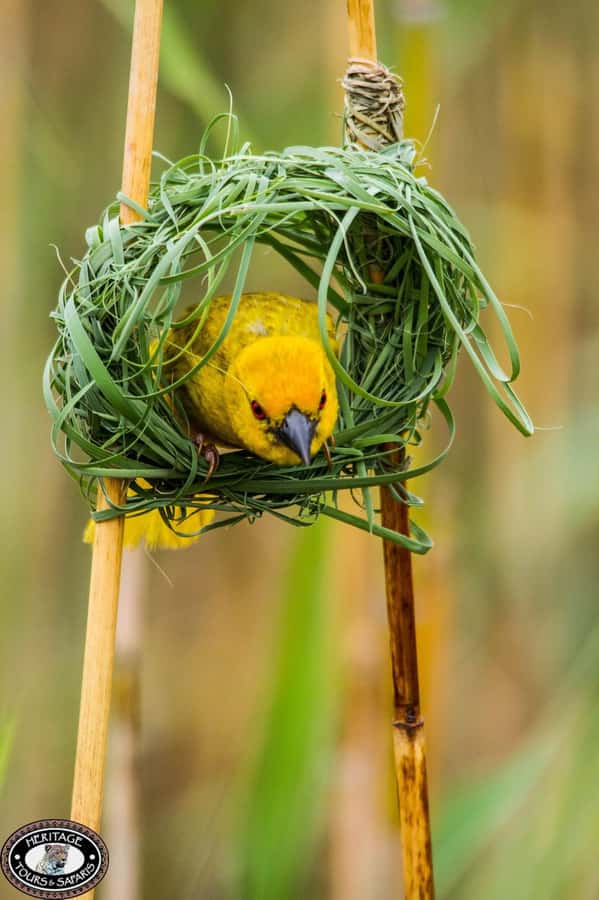
You can check available starting times when booking, but the most useful choice may be the time of day. Late afternoon can bring more movement from the hippos, and sunset can improve the scenery. The drawback is that you need to dress for cooling air and possible drizzle.
Weather can change the experience. Wind and rain may make photography harder, and crocodiles may be less visible. The covered boat offers some protection, but not complete shelter. If the operator cancels because of weather, you receive a full refund.
The cruise is conducted in English. Families can consider it too, as a young child of 18 months was accepted on one outing. The boat ride is short enough for many families, though parents should still think about their child’s comfort around water and wildlife.
If you are alone, check the booking conditions carefully. One solo visitor had to reserve and pay for two places because a one-person booking was not possible. That can change the value calculation for solo visitors, so confirm the minimum booking requirement before paying.
Who should choose this cruise?
I would recommend it to anyone staying in St Lucia who wants close hippo views without committing to a full-day safari. It suits photographers, bird watchers, families, first-time visitors to iSimangaliso, and people who simply want two quiet hours on the water.
It is also a smart choice if hippos are high on your wish list. The odds of seeing them are much stronger than the odds of seeing crocodiles, and the boat regularly reaches several hippo groups.
You may want a different activity if you need a broad land-animal safari or a tall viewing platform. The thick vegetation can hide animals on shore, and the boat’s lack of an upper deck limits some angles. This is a specialist estuary cruise, not an all-purpose wildlife tour.
Should you book the St Lucia cruise?
Yes, I would book it, especially at $23. The combination of a small boat, close hippo encounters, useful guiding, birdlife, and attractive estuary scenery gives you a lot for two hours.
Go in with the right expectations: hippos are the reliable stars, crocodiles are uncertain, and the jetty is basic. Choose a later departure if you want more active hippos and better sunset light, bring a jacket even if the day looks warm, and pack binoculars if birds matter to you. For a straightforward, affordable wildlife outing in St Lucia, this is an easy choice.
FAQ
How long is the St Lucia hippo and crocodile cruise?
The cruise lasts two hours.
How much does the cruise cost?
The listed price is $23 per person.
Where does the cruise depart from?
It departs from Siyabonga Jetty St Lucia, just before the bridge on the left before entering St Lucia.
How early should I arrive?
You should arrive 15 minutes before departure.
What animals might I see?
You may see hippos, Nile crocodiles, and many bird species. Crocodile sightings are possible but not guaranteed.
Is food included?
No. Food and drinks are not included, but you may bring your own refreshments and snacks aboard.
What should I bring?
Bring a jacket, binoculars, and snacks. A jacket is useful because the boat is covered but can still feel cool or damp in poor weather.
What happens if the weather cancels the cruise?
You receive a full refund if the cruise is cancelled because of weather conditions.
What language is the tour conducted in?
The live tour guide provides commentary in English.
Just added in South Africa
- Pretoria Capital City Tour Experience★ 5.0 · 24 reviews
- 4 Day Kruger National Park Tour★ 5.0 · 30 reviews
- Johannesburg e-scooter experience★ 5.0 · 38 reviews
- Big 5 Safari Experience at Pilanesberg National Park★ 5.0 · 16 reviews
- Johannesburg Street Art & Museum Walking or E-scooter Tour★ 4.5 · 10 reviews
- Drakensberg Mountains. Tugela Gorge and Amphitheater Hike★ 5.0 · 7 reviews
- Apartheid Museum Tour from Johannesburg★ 4.5 · 14 reviews
- Arrival Private Transfer: Tambo Airport JNB to Johannesburg in Business Car★ 4.0 · 5 reviews
Cruises & Boat Tours, compared.
Cape Town Hop-On Hop-Off City Tour with Optional Cruise
Read our review →

Browse the lists this tour appears in