
REVIEW · TOWNSHIP TOURS
African Township And Cultural Tour – Langa from Cape Town Half Day
Look beyond the postcard Cape Town. This four-hour Langa tour offers a direct look at township life, local enterprise, African arts, and the lasting effects of apartheid, with hotel transfers and a local guide to help you understand what you are seeing.
I like the small-group size, capped at 15 people, and I like the chance to meet local residents rather than simply viewing the township from a vehicle. Guide Remi, also called Remmy in his replies to guests, receives especially strong praise for his calm manner, clear explanations, and attention to safety. The main consideration is that parts of the visit may be difficult to see, particularly the hostels, crowded living conditions, and poverty-related details.
In This Review
- Key points to know before booking
- Why Langa adds something different to Cape Town
- Starting from the V&A Waterfront at 8:30 a.m.
- Guga S’thebe: art, pottery, and African drumming
- Walking through Langa’s businesses and public spaces
- African beer and the township food experience
- Hostels, schools, and the harder side of Langa
- Meeting residents and understanding daily life
- The traditional healer visit
- Safety, group size, and respectful behavior
- Who will get the most from this half-day tour?
- Booking advice and cancellation terms
- Should you book the Langa township tour?
- FAQ
- How long does the Langa township tour last?
- Where does the tour start and end?
- Is hotel pickup included?
- What is included in the tour price?
- Is lunch included?
- Can I cancel for a refund?
Key points to know before booking
- Langa is Cape Town’s oldest township, giving this tour a strong historical focus as well as a cultural one.
- Guga S’thebe combines art, pottery, drumming, and performance, so you do more than listen to a talk.
- A local township guide joins the registered tourist guide, adding an important local point of view.
- Shipping containers become shops, salons, and homes, showing the practical creativity of local businesses.
- African beer and local food are part of the experience, although lunch itself is not included.
- Hotel pickup, bottled water, and an air-conditioned vehicle make this easier than arranging a township visit alone.
Why Langa adds something different to Cape Town
Cape Town is often sold through its mountain, beaches, wine estates, and waterfront. Those places are worth your time, but they tell only part of the city’s story. Langa offers a closer look at the communities shaped by segregation, migration, local enterprise, and the promises made after apartheid.
I find the value here comes from context. You are not simply shown a neighborhood and left to guess what you are seeing. The guide explains the role of the township, points out businesses and public places, and introduces you to local people who can answer questions about everyday life.
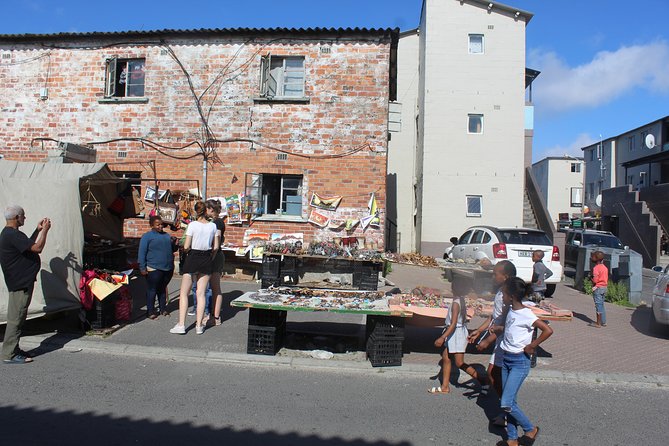
That matters because townships can be easy to misunderstand from a distance. A guided walk helps you see both the challenges and the ordinary routines: hair salons, barber shops, food businesses, schools, hostels, craft workshops, and places where people gather.
The tour is also designed for a small group, with no more than 15 people. That is large enough to keep the price reasonable, but small enough for questions and conversation. The strongest praise for Remi focuses on his explanations, patience, and ability to help people feel safe during the visit.
More History Tours in Cape Town
- Cape Town: Art, Culture & History Walking Tour
★ 4.9 · 392 reviews - Cape Town Guided City Cycling Heritage Tour – Private Tour
★ 5.0 · 27 reviews - Robben Island Tour; Pickup, Drop-off; Guided Tour Historic Prison
★ 4.5 · 23 reviews
Starting from the V&A Waterfront at 8:30 a.m.
The listed starting point is The Silo Hotel at Silo Square in the Victoria & Alfred Waterfront. Pickup from your hotel and return transport are included, though you should confirm the exact pickup arrangement when booking because the listed meeting point is also the stated start and end location.
The tour begins at 8:30 a.m. and lasts about four hours. That morning schedule leaves your afternoon free for other Cape Town plans, such as Table Mountain, the waterfront, or a museum. It also avoids turning a township visit into an exhausting full-day commitment.
Transport is by air-conditioned vehicle, with bottled water supplied. That is a useful practical touch, especially if the walking portion feels warm. The tour is close to public transportation, and most people can take part, but the itinerary includes walking through parts of Langa, so comfortable shoes are sensible.
The price is about $64.07 per person. I consider that fair if you value the transport, guide, local host, cultural demonstrations, and four-hour duration. A cheaper independent visit may be possible, but it would not offer the same introductions or the same help in understanding local customs and history. You are paying partly for convenience and partly for access that is difficult to arrange with confidence on your own.
Guga S’thebe: art, pottery, and African drumming
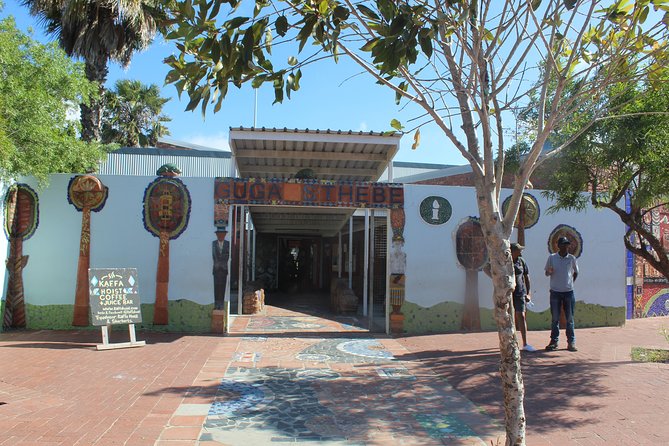
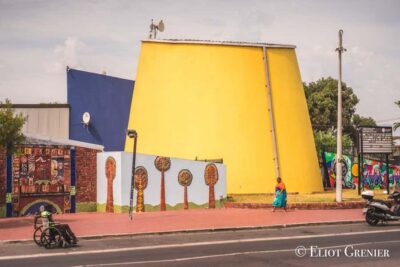
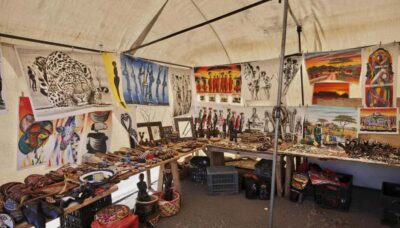
The first stop is Guga S’thebe, a local arts and crafts center. It serves as a community meeting place and showcases performing arts, pottery, drumming, and locally made goods.
This is one of the most approachable parts of the tour. You can watch local artists at work, see pottery being made, and learn how to play an African drum. The activity gives you something to do with your hands, which makes the visit feel less like a lecture and more like a shared cultural exchange.
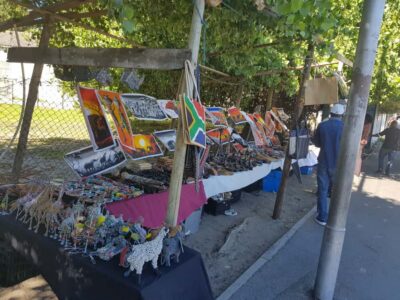
The center also sells art and crafts made by local people. Purchasing something here can support individual makers directly, but you should treat buying as optional. The value of the stop is not limited to shopping. It helps explain how artistic work and community spaces can support local income and pride.
The visit lasts about 30 minutes, so do not expect a long workshop or a full performance program. The demonstrations are a taste of local creative life. If you are interested in crafts, music, or community projects, this may be the most enjoyable stop. If you prefer long historical talks, it may feel brief.
Walking through Langa’s businesses and public spaces
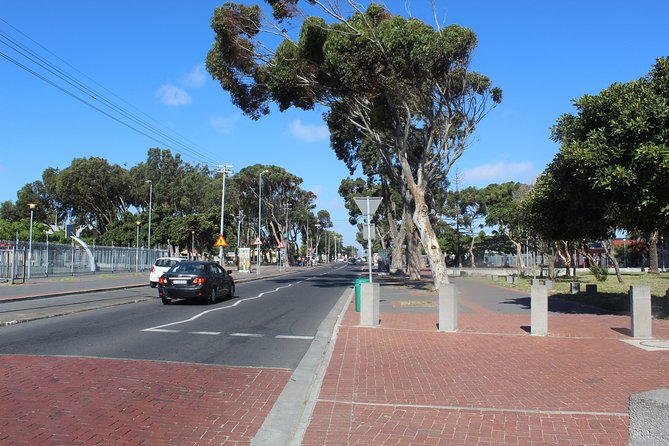
After Guga S’thebe, the tour moves into the township itself. You walk past the Langa police station, which serves as a useful point for learning about the area’s past and present. The guide also explains why Langa is known as Cape Town’s oldest township.
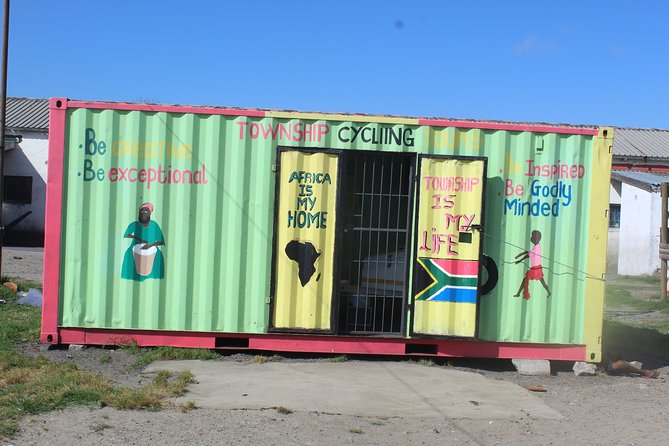
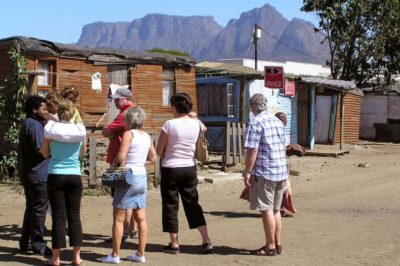
One memorable detail is the use of shipping containers. They have been adapted into hair salons, barber shops, businesses, and even family homes. It is a practical example of how people create work and shelter with limited resources. You see not only hardship, but also enterprise and adaptation.
This part of the tour is likely to feel more open-ended than a standard sightseeing stop. You may pause to look at a business, walk along a street, or speak with local people. Remi’s patience is useful here because you can ask questions instead of rushing from one photo stop to the next.
You should approach this section with respect. This is a functioning residential community, not a stage set. Ask before taking photographs, listen carefully, and avoid treating private homes or difficult living conditions as tourist attractions. A good guide can help you understand where observation is appropriate and where it is not.
More Township Tours in Cape Town
- Half-Day Tour Through Cape Town’s Townships
★ 4.8 · 979 reviews - Cape Town: Guided Township Tour with Hotel Pickup
★ 4.4 · 536 reviews - Cape Town: Nathi Langa Township Walking Tour
★ 4.9 · 493 reviews - Cape Town: Robben Island Ferry Ticket and Townships Tour
★ 4.5 · 400 reviews
African beer and the township food experience
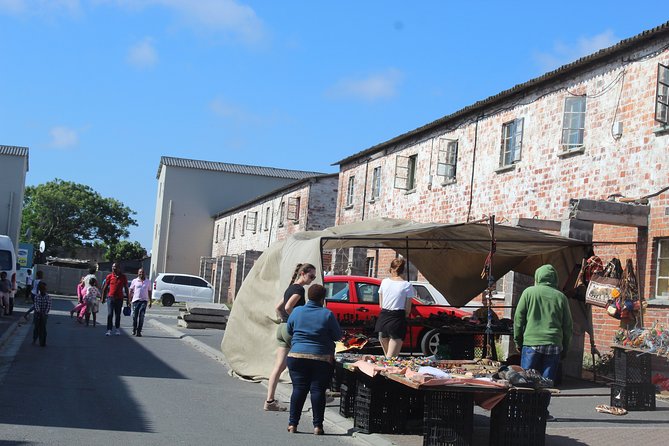
The tour visits a local African beer brewing facility, where you can taste the beer that is part of township social life. This is a small but important detail because food and drink often explain a place better than a formal speech. You get a sense of how local businesses operate and how people gather.
The experience also offers the opportunity to visit a typical township restaurant and taste African food. Lunch is not included, so you should not assume a full meal is covered in the $64.07 price. The supplied details describe an opportunity to taste food, but they do not specify the menu, portion size, or restaurant name.
You may also encounter chisa nyama, a South African barbecue tradition associated with meat prepared and shared in a social setting. One guest described this part of the experience as especially memorable. If food is a major reason for booking, ask the operator what tasting is planned on your date and bring extra money for any meal you wish to buy.
Another local delicacy mentioned on the route is a carefully prepared sheep’s head. This is not a standard Western sightseeing snack, and it may not suit every appetite. You can treat it as a chance to learn about local food traditions without feeling obliged to eat it.
Hostels, schools, and the harder side of Langa
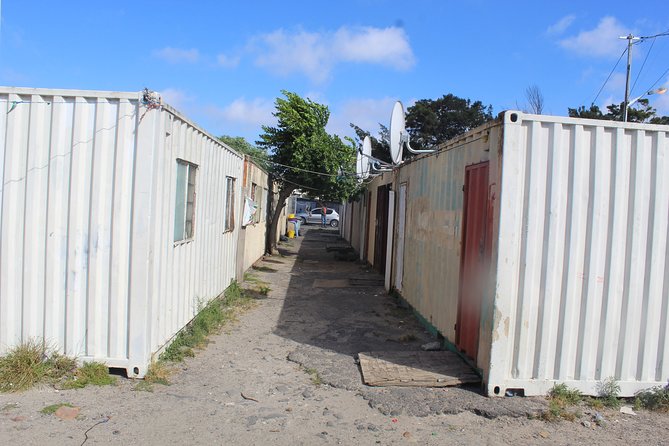
The tour walks past a school known for producing national sportsmen and continues toward local hostels. These hostels were built during apartheid for male migrant workers. That detail is central to understanding why some township housing looks and functions as it does.
The hostel visit may be one of the most serious parts of the morning. You are shown where people live and hear how government housing policies affected families and workers. The guide also discusses how far public services have progressed toward the quality of life promised after independence.
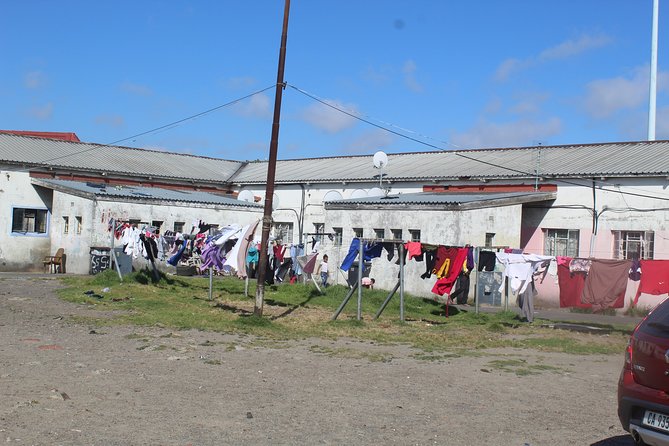
This is not light sightseeing. You might find the conditions hard to absorb, particularly if you are not familiar with South Africa’s apartheid-era housing system. The point is not to turn hardship into spectacle. The point is to connect the physical setting with the policies and economic pressures that shaped it.
The tour’s strongest praise centers on this honest approach. The experience can give you a broad view of Cape Town that is not always easy to process, but that is also part of its value. I would recommend allowing yourself time afterward to think about what you saw rather than rushing straight into another attraction.
Meeting residents and understanding daily life
A local township guide accompanies the registered and accredited tourist guide. That combination is useful. The accredited guide can organize the route and provide wider context, while the local host adds personal knowledge of the neighborhood.
The experience includes meeting local residents and asking questions. That can be the most meaningful part of the morning, but it depends on the conversations available on the day. You should come with respectful, open questions about work, housing, education, food, music, or community life rather than asking people to explain their hardship for your entertainment.
The feedback about Remi is consistent on a few points: he explains daily life clearly, allows time for questions, and helps people feel secure. That is important in a setting where you may not know which streets or businesses are appropriate to enter. His role is not just to point out buildings. He helps create a respectful connection.
The tour does not promise that every person you meet will want to talk, and you should be comfortable with that. The best experience comes when conversation happens naturally.
The traditional healer visit
The itinerary includes the option to visit an African traditional healer. The healer may discuss your past, future, and love life, and you may obtain a love potion.
This is clearly an optional and personal part of the experience. Some people will find it entertaining or culturally interesting. Others may prefer to observe without purchasing anything. If you choose to participate, ask about the price before accepting a potion or service, and remember that fortune-telling is a cultural experience rather than a substitute for medical, legal, or financial advice.
Its inclusion gives the tour a broader reach than a simple housing or history walk. You encounter art, food, religion, entrepreneurship, and social customs in the same morning. Still, do not feel pressured to take part in every activity. A good cultural tour leaves room for personal boundaries.
Safety, group size, and respectful behavior
The tour is promoted as a safe way to visit Langa without having to research which areas are suitable for tourists. The guide’s presence, round-trip transport, and local host all help reduce uncertainty. Direct feedback gives special credit to Remi for making people feel safe.
That does not mean you should switch off common sense. Keep valuables secure, follow the guide’s instructions, and ask before photographing people, homes, businesses, or religious settings. Wear practical shoes and carry only what you need for the half-day.
A group limit of 15 is a good compromise. A private tour would offer more flexibility, but likely cost more. A large bus tour might be cheaper, but would make personal conversations and questions harder. Here, you have a reasonable chance to hear the guide and interact with local people without being part of a large crowd.
Who will get the most from this half-day tour?
I would choose this experience if you want to understand Cape Town beyond its scenic attractions. It suits people who enjoy local food, community projects, history, informal conversation, and hands-on demonstrations.
It is also a good fit if you are nervous about arranging a township visit yourself. Pickup, an air-conditioned vehicle, a registered guide, and a local host remove much of the planning work.
You may want to skip it if you are looking only for entertainment or polished cultural performances. Some parts are serious, and the visit can challenge your assumptions about housing and inequality. It also includes walking and conversations that require patience.
Families, photographers, students, and first-time visitors to Cape Town may all find value here, provided everyone in the group understands the need for respect. People with a strong interest in food should ask about the planned restaurant stop and budget for lunch, since lunch is not included.
Booking advice and cancellation terms
Confirmation is provided when you book. The tour requires good weather and a minimum number of participants. If poor weather or low numbers force cancellation, you can receive a different date or a full refund.
You can cancel for a full refund up to 24 hours before the scheduled start time. Cancellations or changes made within 24 hours are not refunded or accepted, so keep that deadline in mind when setting your Cape Town plans.
Should you book the Langa township tour?
Book it if you want a guided, direct, and human look at Cape Town’s township life. The strongest reasons are the local host, the chance to speak with residents, the arts at Guga S’thebe, and Remi’s careful explanations and attention to safety.
The $64.07 price offers solid value because it combines transport, bottled water, professional guiding, local access, demonstrations, and cultural tastings in four hours. Just arrive ready for a serious experience as well as a lively one. You will see creativity and community spirit, but also the lasting effects of apartheid and uneven development.
For a short introduction to Langa that goes beyond a drive-by view, I would book it. Ask about the food tasting, pickup details, and traditional healer visit before setting out, then give the morning the respect it deserves.
FAQ
How long does the Langa township tour last?
The tour lasts approximately four hours and starts at 8:30 a.m.
Where does the tour start and end?
The listed meeting point is The Silo Hotel at Silo Square in the Victoria & Alfred Waterfront, Cape Town. The activity ends back at the meeting point.
Is hotel pickup included?
Yes. Pickup from your hotel and drop-off after the tour are included.
What is included in the tour price?
The price includes an air-conditioned vehicle, a registered and accredited tourist guide, a local township guide, bottled water, hotel transfers, and an opportunity to visit a township restaurant and taste African food.
Is lunch included?
No. Lunch is not included, although the tour provides an opportunity to visit a typical township restaurant and taste African food.
Can I cancel for a refund?
Yes, you can cancel at least 24 hours before the start time for a full refund. Cancellations or changes made less than 24 hours before the start time are not refunded or accepted.
Just added in Cape Town
- Table Mountain and Cape of Good Hope Tour★ 5.0 · 10 reviews
- Halfday township tour★ 5.0 · 10 reviews
- Township Tour by Lwafika Tours and Transfers in Cape Town★ 5.0 · 13 reviews
- Half-Day Township Tour from Cape Town★ 4.5 · 20 reviews
- Stellenbosch Small Group Wine Tasting Tour From Cape Town★ 3.5 · 6 reviews
- Half Day Stellenbosch Winelands Private Tour from Cape Town★ 4.5 · 7 reviews
- Cape Town Khayelitsha Township Tour★ 5.0 · 27 reviews
- Best of Cape Town Wines – Cape Winelands Tour★ 5.0 · 2 reviews
Township Tours, compared.

Authentic 3–4 Hour Cultural Township Experience
Read our review →Browse the lists this tour appears in