
REVIEW · APARTHEID MUSEUM TOURS
Full Day Soweto, Johannesburg and Apartheid Museum Guided Tour
One day, three chapters of Johannesburg. This private outing links Johannesburg’s urban contrasts, Soweto’s political landmarks, and the Apartheid Museum in a single 7 to 8 hour trip. I like the door-to-door pickup and the chance to see major sites without arranging separate taxis. I also like the personal service: guide Lucky is described as punctual, polite, organized, informative, and careful about safety. The main drawback is the packed schedule, with several brief stops and extra costs for lunch and some admissions.
At $112.89 per person, the price makes the most sense for a small private group that wants transport, guiding, and a broad first look at the city. You will spend serious time at the Apartheid Museum, but the day also includes quick drives and short visits, so this is not a slow, single-neighborhood tour.
In This Review
- Key points to know before booking
- Why this Johannesburg and Soweto tour works
- From Pretoria or Johannesburg to Houghton Estate
- Munro Drive and Johannesburg from above
- Hillbrow, Constitution Hill, and the road to democracy
- Crossing Nelson Mandela Bridge into the inner city
- Ferreira Mine Stope and Maboneng’s urban renewal
- The Apartheid Museum needs your full attention
- FNB Stadium and the approach to Soweto
- Orlando Towers and the visible symbols of Soweto
- Eating on Vilakazi Street at Sakhumzi
- Mandela House and the Hector Pieterson Museum
- Price, private transport, and what you receive
- Who should book this tour?
- FAQ
- Where does the tour begin and end?
- How long does the tour last?
- Is this a private tour?
- Is transportation included?
- Is lunch included?
- Which admissions are included?
- How much time is spent at the Apartheid Museum?
- Can I cancel for a full refund?
- Should you book it?
Key points to know before booking
- A private day with hotel pickup: Pickup and drop-off are offered at hotels in Johannesburg and the surrounding Pretoria area, with private transportation for your group.
- The Apartheid Museum gets 2.5 hours: This is the emotional center of the day and deserves your attention.
- Soweto includes Mandela and Hector Pieterson sites: Mandela House is guided, while the Hector Pieterson Museum is self-guided.
- The tour shows several sides of Johannesburg: You move from affluent Houghton Estate to Hillbrow, the inner city, Maboneng, and Soweto.
- Lunch is not included: Sakhumzi Restaurant is visited, but food, drinks, coffee, and tea cost extra.
- Lucky receives strong praise: His punctuality, clear explanations, friendly manner, and attention to safety are useful qualities on a long city tour.
Why this Johannesburg and Soweto tour works
The strength of this experience is its range. In one day, you see places linked to Nelson Mandela, Mahatma Gandhi, Winnie Madikizela-Mandela, the 1976 Soweto uprising, the gold rush, the 2010 FIFA World Cup, and modern inner-city renewal.
That range helps you understand that Johannesburg is not one simple story. Houghton Estate presents wealth and political importance. Hillbrow shows the effects of migration and rapid urban change. Constitution Hill and the Apartheid Museum deal with imprisonment, segregation, and resistance. Soweto brings the story closer to ordinary homes, schools, restaurants, and public streets.
You also avoid the trouble of moving between distant sites on your own. The air-conditioned vehicle, bottled water, and private transport are practical comforts, especially since the day includes long stretches of driving. A guide can also explain what you are passing instead of leaving you to guess at the significance of each district.
The compromise is pace. The listed stops add up quickly, even before traffic and transfers. You may spend only 10 to 30 minutes at some locations, while the Apartheid Museum alone takes about two and a half hours. I would treat this as an introduction to Johannesburg, not a complete study of every place on the route.
More Museums in Pretoria
- Johannesburg Full-Day Tour(Soweto/Jo-Burg & Apartheid Museum)
★ 5.0 · 110 reviews - Soweto and Apartheid Museum Guided Tour
★ 5.0 · 38 reviews - Soweto & Apartheid Museum Tour
★ 5.0 · 20 reviews
From Pretoria or Johannesburg to Houghton Estate
The day begins with pickup at your hotel, followed by a general introduction to the area. Pickup is available in Johannesburg and the surrounding Pretoria area, which is helpful if your base is outside central Johannesburg.
The first look at Houghton Estate gives useful context. This affluent suburb was home to Nelson Mandela, and the house where he lived during his presidency and died in December 2013 can be seen from the route. It is not presented as a long museum visit, so keep your expectations realistic. You get a glimpse of the setting rather than an extended house tour.
That brief sighting works well early in the day because it places Mandela within the city itself. His name appears repeatedly on this route, but each location tells a different part of his story.
Munro Drive and Johannesburg from above
Munro Drive Viewpoint is a short stop of about 10 minutes. The road is a national monument built by Italian prisoners of war during the Second World War, and it offers views over Johannesburg’s northern suburbs.
The viewpoint also looks toward the city’s huge man-made subtropical forest. This is a good place to take in Johannesburg’s scale before the tour moves into denser districts. Admission is free, and the stop is brief, so you should be ready to look, listen, and take photographs without expecting a long walk.
The short duration is both useful and limiting. It keeps the day moving, but anyone who enjoys viewpoints may wish for more time. Still, the stop gives the tour a visual pause before the urban history becomes more intense.
Hillbrow, Constitution Hill, and the road to democracy
The drive through Hillbrow shows a very different side of Johannesburg from Houghton Estate. The area is associated with large-scale migration, including people from other parts of South Africa and from across the continent. The contrast between districts can feel surprisingly sharp, almost like crossing national borders without leaving the city.
Your main stop here is Constitution Hill Human Rights Precinct, with about one hour inside. The site began as a prison and military fort and now houses exhibitions, tours, and South Africa’s highest court.
This is one of the day’s most important places because it connects personal stories to national change. Nelson Mandela, Mahatma Gandhi, Winnie Madikizela-Mandela, and many other political figures were imprisoned here. The Old Fort, Women’s Jail, and Number Four prison each carry different stories of confinement and resistance.
Admission to Constitution Hill is included. One hour gives you a useful introduction, but it is not enough for every display and corner. If prison history is especially important to you, this will likely be one of the places where you wish the schedule allowed more time.
More Soweto tours:
- Soweto Half Day Tour
★ 5.0 · 231 reviews - Johannesburg and Soweto tour
★ 5.0 · 231 reviews - Soweto walking tour with a taxi ride
★ 4.5 · 42 reviews - Soweto, Kliptown, Eldorado Park Tour
★ 5.0 · 41 reviews
Crossing Nelson Mandela Bridge into the inner city
The vehicle crosses Nelson Mandela Bridge on the way to Newtown, giving you an orientation tour of central Johannesburg. The bridge has become an easily recognized part of the city skyline, but the surrounding streets matter just as much.
Johannesburg’s central business district grew around the late nineteenth-century gold rush. The tour points out historic sites and heritage buildings while explaining how the city developed through wealth, exclusion, segregation, resistance, and creative renewal.
This is a useful guided drive because central Johannesburg can be difficult to interpret from a car window. You see old mining symbols, headgear, stamp mills, and carts along the route. These objects make the early mining story visible instead of leaving it as an abstract chapter in a history book.
Ferreira Mine Stope and Maboneng’s urban renewal
Standard Bank Ferreira Mine Stope is a small museum in the basement of the Standard Bank headquarters. The mine entrance was found during construction and preserved as one of the city’s early prospecting sites.
The visit lasts about 20 minutes and admission is free. It is not a grand attraction, but its small size is part of the appeal. You get a direct reminder that Johannesburg grew from gold prospecting beneath the modern city.
Next comes the Maboneng Precinct, a 30-minute stop. This formerly abandoned area has been revived with restaurants, coffee shops, clothing boutiques, galleries, retail spaces, and studios.
Maboneng helps balance the difficult political history elsewhere on the route. You see an effort to bring activity back into the inner city through art, food, and small businesses. Thirty minutes is enough for a look around, though probably not enough to eat, shop, and visit several galleries. Since the tour continues to Soweto, use this as a short orientation rather than a full afternoon in the precinct.
The Apartheid Museum needs your full attention
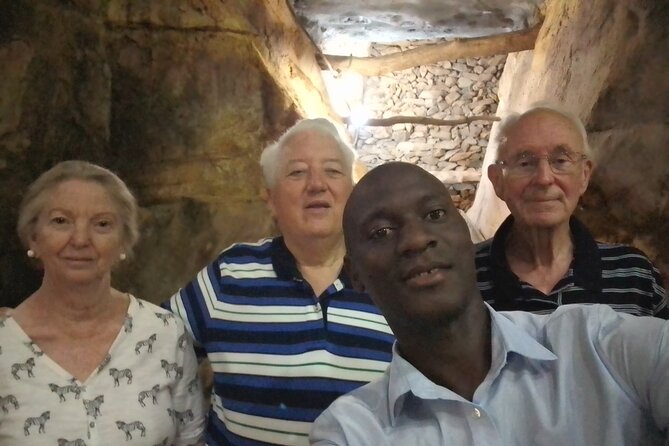
The Apartheid Museum is the anchor of the day, with about two and a half hours allocated. Admission is included, and that matters because this is the place where you spend the longest period on foot and with the subject matter.
The museum explains the rise and fall of apartheid, the system of racial separation and oppression that shaped South African life for decades. Its displays are direct and often painful. You may leave feeling shocked, sad, angry, and encouraged by the eventual defeat of the system.
I value the generous time here. Many city tours hurry through major museums, but two and a half hours gives you a chance to follow the exhibitions and stop when you need to. You should not plan this as a casual museum visit. Give yourself time afterward to think through what you have seen.
The schedule says two to four hours can be appropriate inside, so the allocated time is solid but not excessive. If you read every panel carefully, you may still find the visit ends sooner than you would like. The museum can also be emotionally demanding, which makes the private vehicle and later change of setting helpful.
FNB Stadium and the approach to Soweto
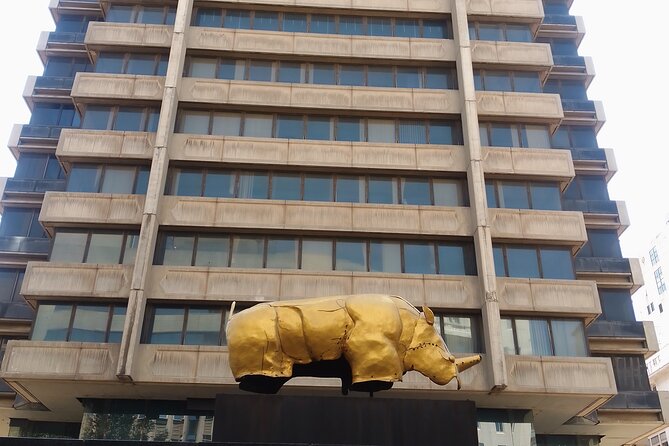
After the museum, the tour drives past FNB Stadium, the largest football stadium in Africa according to the supplied tour information. It hosted the opening ceremony, matches, and final of the 2010 FIFA World Cup.
The stop is mainly a drive-by, listed at about 20 minutes. You will not have a stadium tour included, but the building is a useful marker as you move toward Soweto. It links the city to a major international sporting event and gives the day a break from the heavier museum material.
Diepkloof Park follows, also for about 20 minutes. The area is divided into different sections, with Diepkloof Extension described as an upmarket part of Soweto. It is known for large, formally built homes owned by Black lower and upper middle-class residents, and house prices there are higher than in many other Soweto areas.
This stop is valuable because Soweto is not a single type of neighborhood. You see different income levels and housing patterns, rather than a one-note picture of township life.
Orlando Towers and the visible symbols of Soweto
Orlando Towers are two cooling towers that have become a major Soweto landmark. They now house an entertainment center with a famous bungee jump and a barbecue restaurant.
The stop lasts about 20 minutes, and the bungee jump is not included. You can look at the towers and hear about their new use without paying for an activity. If you want to jump, confirm the cost and time available directly with the operator, since the tour price does not cover it.
The towers are a striking example of industrial structures gaining a second life. They also provide a memorable visual break during the Soweto portion of the day. Still, this is another short stop, so you should not expect a long entertainment visit.
Eating on Vilakazi Street at Sakhumzi
Sakhumzi Restaurant sits on Vilakazi Street near Mandela House. This street is famous for having been home to Nelson Mandela and Archbishop Emeritus Desmond Tutu, two Nobel Laureates.
The restaurant serves a Soweto-style buffet with traditional South African dishes. The listed examples include umngqusho, made with samp and beans, and mogodu, or tripe. Lunch is not included in the tour price, and neither are coffee or tea, so you should budget separately for your meal.
This is one of the more social parts of the day. Instead of only viewing political landmarks, you get a chance to sit down with local food in a well-known Soweto setting. Forty minutes is enough for a straightforward meal, but not a leisurely restaurant experience if service is busy.
If you are unsure about unfamiliar dishes, ask what is available before filling your plate. The buffet format lets you try small portions, which is useful if you want to sample local food without committing to one large serving.
Mandela House and the Hector Pieterson Museum
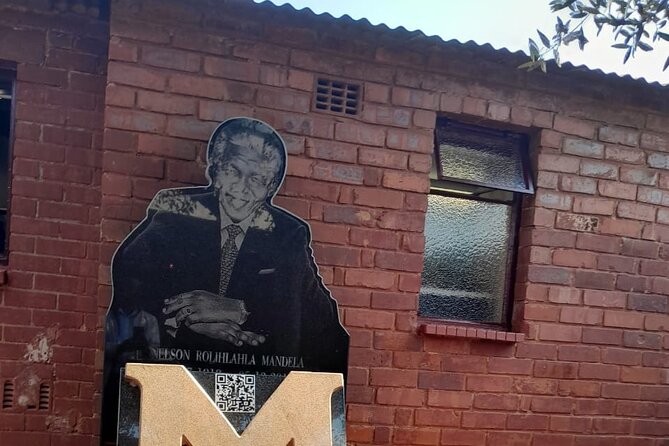
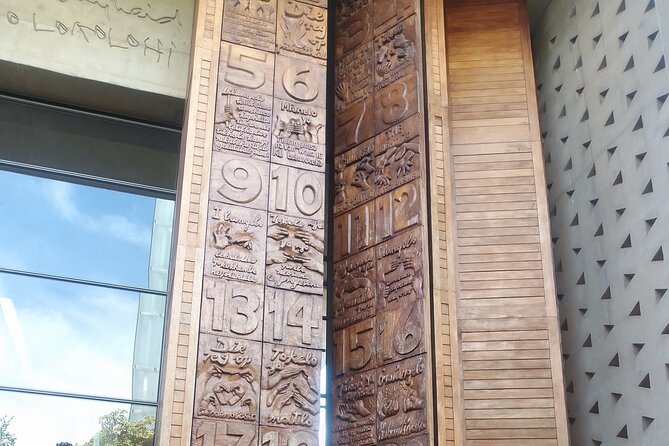
Mandela House is a guided visit lasting about 20 minutes, with admission included. The former home has displays, sound, film, interpretive panels, and guided explanations about the life and legacy of South Africa’s former president.
The short visit gives you a personal counterpoint to the much larger Apartheid Museum. There, the focus is national and institutional. Here, the story is tied to a house, a family, and the everyday setting associated with Mandela.
The tour then reaches Hector Pieterson Museum and Memorial for about 40 minutes. The museum is self-guided and named for the 13-year-old boy killed during the 1976 Soweto student uprising. It documents the uprising and remembers the young people who resisted apartheid education policies.
Admission to Hector Pieterson Museum is not included, so check the extra cost before setting out. Because the visit is self-guided, you can move at your own speed, but the fixed schedule limits how long you can stay. The museum is an important final stop because it places young people at the center of the story of resistance.
Price, private transport, and what you receive
At $112.89 per person, this is not the cheapest way to see Johannesburg. It can be good value if you are traveling as a private group and want one vehicle, hotel pickup, bottled water, an air-conditioned ride, and a guide for a full day.
The included admissions to Constitution Hill and Mandela House help. The Apartheid Museum is also listed as included in the tour details, making the price easier to justify for a first visit. You still need to pay for lunch, coffee, tea, personal purchases, the Hector Pieterson Museum, and any activity at Orlando Towers.
The private format is especially useful for a short stay or a day between flights. One direct account describes Lucky meeting a group at the airport late in the evening, taking them to their hotel, and helping them with Johannesburg information. That suggests the company may be useful for visitors working with tight arrival schedules, though you should confirm any airport transfer arrangement when booking.
The vehicle is described as comfortable, and bottled water is supplied. Most people can participate, but the tour requires a full day of getting in and out of a vehicle, museum walking, and keeping to a schedule.
Who should book this tour?
I would recommend it to first-time visitors who want a broad introduction to Johannesburg and Soweto without handling the transport themselves. It suits history-minded visitors, people with only one free day, and small groups who value a private guide.
It is also a sensible option for anyone concerned about navigating unfamiliar districts alone. The guide’s role matters here, and the strongest praise is directed at Lucky’s punctuality, organization, explanations, friendliness, and care with safety.
I would hesitate if you prefer a slow cultural visit with long meals and unhurried museum time. The day covers a lot, but that means several stops are short. You should also be comfortable with serious subject matter, since Constitution Hill, the Apartheid Museum, and Hector Pieterson Museum deal with imprisonment, racial oppression, violence, and loss.
Free cancellation is available if you cancel at least 24 hours before the start time. Changes made inside that window are not accepted, and poor weather can lead to a different date or a full refund.
FAQ
Where does the tour begin and end?
Pickup and drop-off are offered at hotels in Johannesburg and the surrounding Pretoria area. After the Soweto visit, you are returned to the starting point or your accommodation in Johannesburg.
How long does the tour last?
The experience lasts approximately 7 to 8 hours.
Is this a private tour?
Yes. Only your group participates in the private tour or activity.
Is transportation included?
Yes. The tour includes private transportation in an air-conditioned vehicle and bottled water.
Is lunch included?
No. Lunch is not included. The stop at Sakhumzi Restaurant gives you a place to eat, but you pay for food yourself.
Which admissions are included?
Admission to Constitution Hill and Mandela House is included. The tour details also include entry to the Apartheid Museum. Admission to Hector Pieterson Museum is not included.
How much time is spent at the Apartheid Museum?
About 2 hours and 30 minutes are allocated to the Apartheid Museum.
Can I cancel for a full refund?
Yes, if you cancel at least 24 hours before the experience start time. Cancellations made less than 24 hours before the start time are not refunded, and changes inside that period are not accepted.
Should you book it?
Book this tour if you want the main Johannesburg and Soweto landmarks in one private day, with a guide handling the route and explaining the difficult history. The combination of Constitution Hill, the Apartheid Museum, Mandela House, Vilakazi Street, and Hector Pieterson Museum gives you a serious and useful first look.
Skip it if you want to linger at each site or spend most of the day in one neighborhood. For everyone else, the $112.89 price is reasonable when private transport, hotel pickup, guiding, water, and several admissions are included. Just bring extra money for lunch and the museums or activities not covered, and expect a full, tightly scheduled day.
More Apartheid Museum Tours
- Apartheid History of South Africa (Full day Experience with lunch
★ 4.5 · 24 reviews - Soweto & Apartheid Museum Guided Tour
★ 5.0 · 18 reviews - Soweto, Apartheid Museum & Constitution Hill Day Tour
★ 5.0 · 12 reviews - Soweto and Apartheid Museum
★ 4.5 · 11 reviews
Just added in Pretoria
- Aha Lesedi Cultural Village tour★ 5.0 · 4 reviews
- Half Day E-Biking with Wildlife Watching in Pretoria★ 5.0 · 23 reviews
- Apartheid museum, Soweto and Joburg highlights tour★ 5.0 · 6 reviews
- Traditional Tribal Village Tour★ 5.0 · 6 reviews
- Soweto, Kliptown, Eldorado Park Tour★ 5.0 · 41 reviews
- Johannesburg,Soweto & Apartheid museum tour★ 5.0 · 10 reviews
- Soweto guided tour(Half day)★ 5.0 · 24 reviews
- Soweto and Johannesburg Fun Tours★ 5.0 · 3 reviews
Apartheid Museum Tours, compared.
Soweto /Johannesburg and Apartheid Museum Guided Full Day Tour
Read our review →
Jo’berg in 1 Day: Soweto, Apartheid Museum & City Tour
Read our review →
Full-Day Tour with Soweto and Apartheid Museum
Read our review →
Full-Day Soweto, Apartheid Museum and Lunch Tour
Read our review →
Half Guided Day Tour of Soweto And Apartheid Museum
Read our review →
Ultimate Johannesburg Soweto Experience with Apartheid Museum
Read our review →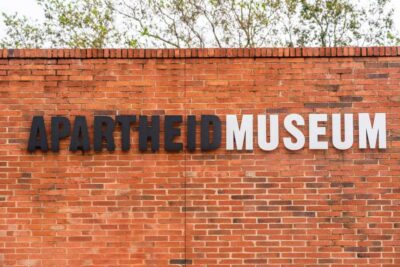
Hop-On Hop-Off Bus, City Tour and Apartheid Museum
Read our review →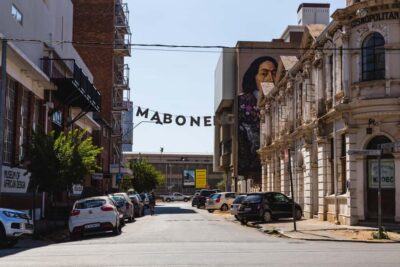
Johannesburg and Soweto Apartheid Full Day Tour w/Lunch
Read our review →Browse the lists this tour appears in