
REVIEW · TOWNSHIP TOURS
Half Day Cape Town Township Tour
Cape Town’s story reaches far beyond the postcard views. This five-hour morning tour visits District Six, Langa, Jo Slovo, Bonteheuwel, and Gugulethu, linking South Africa’s past with the daily lives, art, work, and hopes of township communities today. With an English-speaking guide and air-conditioned vehicle, it offers a direct way to understand a side of Cape Town that many visitors would otherwise miss.
I like the tour’s small maximum group of nine, which should make conversation easier than on a large coach. I also like its focus on local voices, including personal stories, crafts, and introductions to community members. The main consideration is emotional weight. You will see poverty and difficult living conditions, so this is not a light sightseeing trip. It also moves through five areas in about five hours, which means each stop receives roughly an hour rather than a leisurely, detailed visit.
In This Review
- Key points to know before booking
- Why this tour adds another layer to Cape Town
- District Six: starting with forced removal and memory
- Langa: one of South Africa’s oldest townships
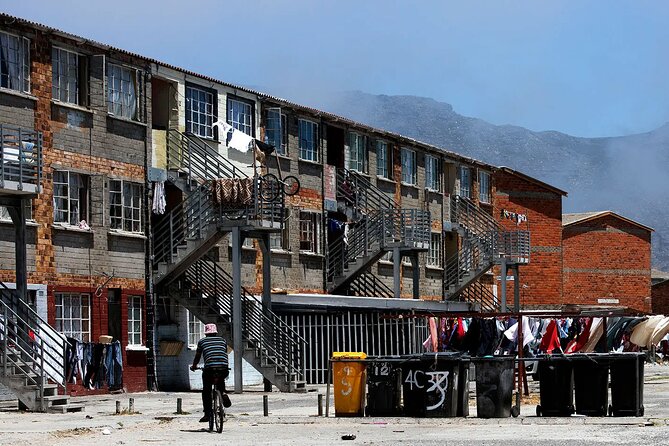
- Jo Slovo Informal Settlement: seeing the housing challenge
- Bonteheuwel: a different chapter in Cape Town’s townships
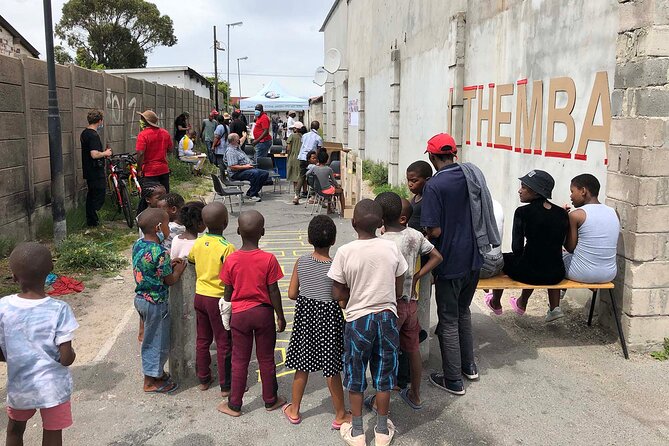
- Gugulethu: community strength, creativity, and local enterprise
- Five hours in an air-conditioned vehicle
- What the $53.39 price really covers
- Who will get the most from this experience
- How to prepare for a respectful visit
- Should you book the Half Day Cape Town Township Tour?
- FAQ
- Where does the Half Day Cape Town Township Tour take place?
- How long does the tour last?
- What time does the tour start?
- Is pickup available?
- What is included in the price?
- Is lunch included?
- How many people can join the tour?
- What is the price?
- Can most people participate?
- Can I cancel or change the booking?
Key points to know before booking
- Five major township areas in one morning: The route covers District Six, Langa, Jo Slovo Informal Settlement, Bonteheuwel, and Gugulethu.
- A history lesson with human faces: The guide shares stories of struggle, survival, culture, and hope rather than offering only a drive-by view.
- A small group format: The tour has a maximum of nine people, useful for questions and personal conversation.
- Local crafts and souvenirs: Bring cash if you want to buy handmade items, including the necklaces sold by local entrepreneurs.
- Early start and no lunch included: Pickup is offered, but the published start time is 7:30 am, and you need to arrange food yourself.
- A moving, not polished, experience: The tour presents real hardship alongside creativity, hospitality, music, and community strength.
Why this tour adds another layer to Cape Town

Cape Town is easy to admire from Table Mountain, the waterfront, and the Cape Peninsula. Those places matter, but they do not explain the whole city. Township communities are central to South Africa’s social and political story, and this tour gives you a structured way to learn about them.
The route stays within about 15 kilometres of central Cape Town, yet the experience can feel far removed from the city’s best-known visitor areas. That contrast is useful. You begin to see how segregation, forced removals, housing policy, poverty, and community action shaped the city people visit today.
I appreciate that the tour is not presented as a simple poverty spectacle. Its stated focus includes music, art, crafts, local businesses, personal stories, and the hopes of residents. That balance matters. You will still see severe hardship, but you will also meet people as neighbours, artists, entrepreneurs, parents, and community members.
A good guide makes all the difference here. Guides named in the feedback include Abdoul, Frank, Prince, and Thabiso. The praise is consistent about the guides’ warmth and ability to explain the townships through personal insight and conversation. The quality of your day will depend heavily on who leads your group, but the small size gives you a better chance to ask questions and make a real connection.
More Township Tours in Cape Town
- Half-Day Tour Through Cape Town’s Townships
★ 4.8 · 979 reviews - Cape Town: Guided Township Tour with Hotel Pickup
★ 4.4 · 536 reviews - Cape Town: Nathi Langa Township Walking Tour
★ 4.9 · 493 reviews
District Six: starting with forced removal and memory
The first stop is District Six, once home to more than 60,000 people. Most residents were of African descent, and many lived in poverty. The area became one of the clearest symbols of forced removals under apartheid.
District Six is important because it shows that a township tour is not only about places on the city’s edge. Displacement also reshaped areas close to central Cape Town. Families were removed from their homes, communities were broken apart, and the physical absence left behind became part of the story.
Expect this stop to set a serious tone. It gives you the historical frame needed for the rest of the morning. Without it, Langa, Bonteheuwel, and Gugulethu could appear to be separate neighbourhoods with separate problems. District Six helps connect them to the policies and decisions that shaped modern Cape Town.
The drawback is that one hour cannot cover every detail. If you want a long museum visit or a full academic account of District Six, you would need a separate outing. On this tour, the area works as an introduction to the larger subject.
Langa: one of South Africa’s oldest townships
The tour then visits Langa, one of South Africa’s oldest townships. Its importance is both historical and present-day. You learn about the community’s place in the country’s past while also seeing how people live and work there now.
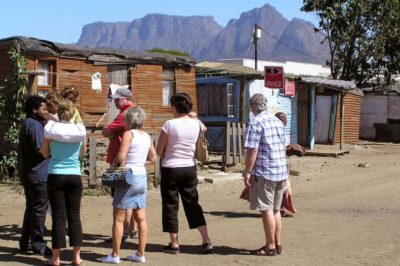
Langa is where the tour begins to feel more personal. The guide’s stories and local introductions help turn broad historical facts into something easier to understand. You may hear about customs, family life, traditions, and the challenges that affect residents.
The tour description promises contact with local people, and this is one of the places where that matters most. A vehicle window can show you streets and buildings, but conversation gives you context. You can ask questions, listen to individual experiences, and gain a clearer picture of daily life.
Keep your approach respectful. You are entering residential communities, not a stage set built for sightseeing. Listen carefully, ask before taking photographs, and remember that the people you meet are not attractions. The best version of this tour is based on curiosity and courtesy.
Jo Slovo Informal Settlement: seeing the housing challenge
The Jo Slovo Informal Settlement lies within Langa and receives its own hour on the route. That separate stop signals how important housing and living conditions are to understanding Cape Town’s townships.
This will likely be one of the more confronting parts of the morning. The tour specifically addresses daily challenges, poverty, and the resilience needed to build a life in difficult circumstances. You may find the setting uncomfortable to see, but discomfort can be useful when it leads to better questions and a more accurate view of the city.
The tour’s strength here is the guide’s role. Rather than leaving you to form quick judgments from what you see, the guide can explain the wider social and economic setting. Personal stories help you understand that an informal settlement is not defined only by its structures or shortages.
There is also a practical limit. The supplied details do not promise a specific community project, meal, home visit, or formal activity at Jo Slovo. You should book this tour for context and conversation, not for a guaranteed hands-on program at every stop.
Something quite different:
- Wine Tour: Paarl, Franschhoek & Stellenbosch incl 3 wineries
★ 5.0 · 3,940 reviews - Cape Town: Hop-On Hop-Off Bus Tour with Optional Cruise
★ 4.8 · 3,929 reviews - Cape Town: Cape of Good Hope & Penguins Day Tour with Pickup
★ 4.7 · 3,362 reviews - Zipline Cape Town – From Foot of Table Mountain Reserve
★ 5.0 · 3,179 reviews
Bonteheuwel: a different chapter in Cape Town’s townships
Bonteheuwel was the first Coloured state-rental township established in Cape Town. This stop widens the story beyond a single racial or social experience and shows how apartheid-era planning affected different communities.
That distinction is valuable. Cape Town’s township history is not one simple story, and Bonteheuwel adds another part of the city’s past to the route. It gives the guide a chance to explain how housing, race, and government policy worked together.
The stop may appeal to you if you want more than a general account of apartheid. It gives the tour a broader frame and reminds you that communities experienced forced separation and state control in different ways.
Again, the one-hour format keeps the visit moving. You will get a focused introduction rather than a full study of Bonteheuwel’s social history. I see that as a fair trade for reaching five communities in one half-day, but you should allow extra time elsewhere if one township especially interests you.
Gugulethu: community strength, creativity, and local enterprise
The final stop is Gugulethu, a large township with a predominantly Black community. The tour describes serious poverty here, but also kindness, hospitality, and a lively creative spirit. For many people, this may become the emotional centre of the day.
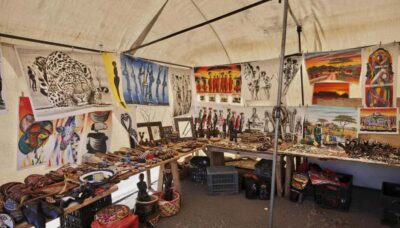
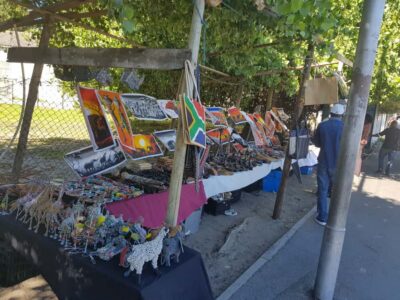
Gugulethu is where the tour’s themes come together. You may hear more about community life, meet local entrepreneurs, and see crafts or artwork. One visitor received a necklace from a local maker named Zendaya, while another specifically advised bringing cash for souvenirs. These details make the stop feel more personal than a simple observation from a minibus.
The craft element also gives you a practical way to support local people directly. Do not feel pressured to buy, but carrying some cash is sensible if you want a necklace, artwork, or another handmade item. The supplied information does not state which payment methods are accepted, so cash is the safer choice.
Gugulethu may also leave you thinking about your own circumstances. That reaction appears often in the feedback, but it is worth handling with care. The goal should not be to feel grateful because someone else has less. A better response is to listen, respect the people you meet, and think about how history and policy continue to affect communities.
Five hours in an air-conditioned vehicle
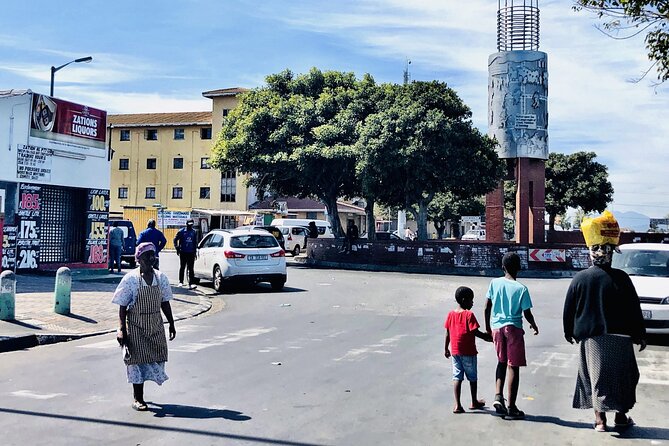
The advertised duration is about five hours, beginning at 7:30 am. Each listed stop is allocated one hour, creating a clear rhythm: transport, explanation, local contact, and then movement to the next area.
The air-conditioned vehicle is a welcome practical feature, especially if the day is warm. It also makes it possible to cover several townships without arranging separate transport. Pickup is offered, but the available information does not give a full list of pickup points, so confirm the exact arrangement before you set out.
A maximum of nine people keeps the experience more intimate. It should be easier to hear the guide, ask about something you have just seen, and speak with local contacts. The trade-off is that the exact feel of the tour may vary by guide and group mix.
The early start has two sides. You get the tour finished with much of the day left for other Cape Town plans, and one guide described the half-day format as efficient for someone with limited time. On the other hand, 7:30 am may be inconvenient if you are still adjusting to a new time zone or prefer slow mornings.
Lunch is not included. Five hours is manageable without a meal if you eat beforehand, but plan ahead. A small snack and water may be useful, although no specific food provision is promised.
What the $53.39 price really covers
At $53.39 per person, the tour is priced as an accessible introduction rather than a luxury outing. You are paying for transport, a guide, and a carefully planned route through five historically important communities.
The value is strongest if you want interpretation and access. You could pass near some of these areas independently, but without a local guide you might miss the historical links, community voices, and social context. The tour saves you the trouble of arranging transport between five locations and gives the morning a clear purpose.
It is less compelling if you want long visits at one site, a meal, or a formal workshop. None of those are included. You also need to account for any craft purchases separately.
The published rating is 4.9 from 14 ratings, with 100 percent recommending the experience. That is a strong signal, though the sample is not large. The repeated praise centres on the guides, emotional impact, cultural insight, easy booking, and local connections. Those are exactly the areas that matter most on a tour like this.
Who will get the most from this experience
I would recommend this tour to you if you want to understand Cape Town beyond beaches, wine estates, and scenic viewpoints. It suits first-time visitors who want a compact introduction to township history, as well as returning visitors who have already seen the standard attractions.
It is also useful if you have limited time. Five hours gives you a broad look at five areas without taking a full day away from the rest of your itinerary. The small group and English-speaking guide make it a practical option for independent visitors who do not want to navigate the route alone.
Families may find it workable. One account describes stroller-friendly routes, regular breaks for snacks and diaper changes, and child-friendly planning. Since conditions can vary by route and day, confirm your needs when booking rather than assuming every part will be easy with a stroller.
The experience can also work for people with mobility concerns. One wheelchair user described receiving hands-on help from guide Prince throughout the tour. Still, the general information says most people can participate, not that every part is fully accessible, so discuss your exact requirements in advance.
You should think twice if you want a carefree morning with little emotional intensity. The tour deals openly with poverty, displacement, and inequality. It can be moving and rewarding, but it asks you to pay attention and behave respectfully.
How to prepare for a respectful visit
Read a little about apartheid and District Six before you go. You do not need a textbook, but a basic grasp of forced removals will help you understand why the stops are connected.
Wear comfortable clothing and shoes. The day includes time outside the vehicle and contact with local communities, though the supplied details do not specify the exact walking distance or surface conditions.
Bring cash for souvenirs. This is especially useful at Gugulethu, where local crafts and entrepreneurs may be part of your visit. Buy only what interests you, and treat purchases as support for local work rather than an obligation.
Ask permission before taking photographs of people. Listen more than you speak, and avoid comparing someone’s home or circumstances with your own in a careless way. A respectful attitude will improve your experience and the experience of the people hosting you.
Finally, keep the morning open enough to absorb what you see. You may return to central Cape Town with more questions than answers. That is not a flaw. A worthwhile cultural tour should make the city more complex, not reduce it to a few neat facts.
Should you book the Half Day Cape Town Township Tour?
Book it if you want a guided, human-focused look at Cape Town’s townships and you are willing to face difficult realities with respect. The five-stop route, small group, local encounters, and strong guide feedback give it real value at $53.39.
Skip it if your priority is relaxation, food, or a single in-depth museum visit. The pace is efficient, lunch is excluded, and five communities in five hours means no stop can tell the whole story.
For most visitors seeking a fuller understanding of Cape Town, I think this is a worthwhile addition to the itinerary. Start early, bring cash, ask thoughtful questions, and give the communities the dignity they deserve.
FAQ
Where does the Half Day Cape Town Township Tour take place?
The tour takes place in Cape Town and visits District Six, Langa, Jo Slovo Informal Settlement, Bonteheuwel, and Gugulethu. All five areas are within about 15 kilometres of the city centre.
How long does the tour last?
The tour lasts approximately five hours. Each of the five listed stops is allocated about one hour.
What time does the tour start?
The published start time is 7:30 am.
Is pickup available?
Pickup is offered. The supplied information does not specify the exact pickup locations, so confirm your pickup details after booking.
What is included in the price?
The tour includes an air-conditioned vehicle and an English-speaking tour guide.
Is lunch included?
No. Lunch is not included in the tour price.
How many people can join the tour?
The maximum group size is nine people.
What is the price?
The listed price is $53.39 per person.
Can most people participate?
The tour information says most people can participate. Specific accessibility needs should be confirmed before booking.
Can I cancel or change the booking?
No. The experience is non-refundable and cannot be changed for any reason. If you cancel or request an amendment, the amount paid will not be refunded.
Just added in Cape Town
- Sunset Safari Big 5 Aquila with Snacks and Wine Tasting★ 5.0 · 12 reviews
- Private Tour to 20 Wine Tasting in Stellenbosch and Franschhoek★ 5.0 · 11 reviews
- Explore Atlantis Sand Dunes with a 1hour 30mins sandboarding tour★ 5.0 · 5 reviews
- Robben Island, Kirstenbosch wine tasting Tour★ 5.0 · 10 reviews
- Photoshoot in Cape Town’s most Gorgeous Locations★ 5.0 · 2 reviews
- Zip Line and Wine from Cape Town★ 5.0 · 14 reviews
- Private Transfer from Cape Town International Airport★ 5.0 · 4 reviews
- 1 Hour Cape Town City Center Photoshoot Experience★ 5.0 · 19 reviews
Township Tours, compared.


Authentic 3–4 Hour Cultural Township Experience
Read our review →Browse the lists this tour appears in