
REVIEW · CITY TOURS
Johannesburg City Evolution, Arts and Museums Walking Tour
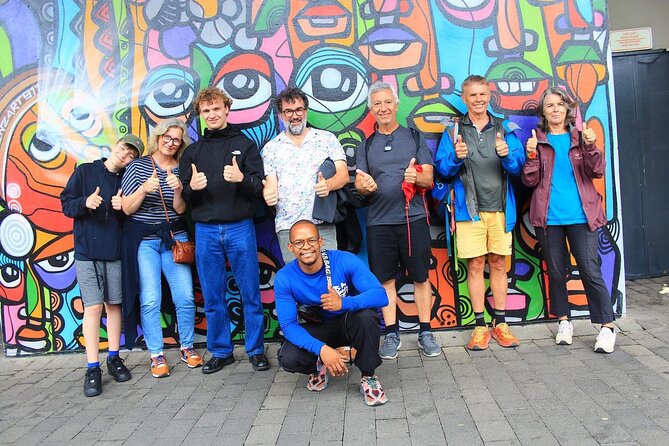
Johannesburg reveals itself on foot. This three-hour city tour connects apartheid-era sites, South African art, labor history, and today’s urban culture in a way that feels more useful than a quick sightseeing loop. I like the small group of seven or fewer and the mix of museums with street-level stops. The main consideration is pace: with eight stops in three hours, several visits are brief.
I also like that the route uses local transportation instead of keeping you behind a tour-vehicle window. Guides such as Sean have earned praise for clear historical context, street-art insight, friendly company, and attention to safety. You should expect a serious look at Johannesburg, with some lighter moments and possibly a local food stop, rather than a relaxed museum afternoon.
In This Review
- Key points at a glance
- Why this Johannesburg walk works
- Constitution Hill: start with law, prison, and democracy
- COSATU House and the labor movement
- Wits University and the Wits Art Museum
- Braamfontein Square and the city in motion
- Crossing Nelson Mandela Bridge to Newtown
- Oriental Plaza and the inner city’s commercial past
- Museum Africa: the longest stop for exhibits
- The Market Theatre and the final lesson in art
- Street art, local transport, and the human side
- What the $37.02 price really covers
- Who should book this experience?
- Should you book the Johannesburg City Evolution, Arts and Museums Walking Tour?
- FAQ
- How long does the tour last?
- What time does the tour start?
- Where does the tour begin?
- Where does the tour finish?
- Is pickup available?
- How many people can join the tour?
- Is mobile ticketing available?
- Which admissions are included?
- Does the tour use public transportation?
- Can I cancel for a full refund?
Key points at a glance
- Constitution Hill begins the story: A former prison complex now housing South Africa’s Constitutional Court.
- Wits Art Museum adds real art time: You see South African and international works on the University of the Witwatersrand campus.
- The route links Braamfontein and Newtown: Nelson Mandela Bridge provides a visual transition between two important city areas.
- Museum Africa gets the longest museum visit: Its 35-minute stop gives you the most time for exhibits about Africa’s past, present, and future.
- The Market Theatre closes on a strong note: This former struggle-era cultural platform shows how art challenged apartheid.
- The price is fair for a compact tour: At $37.02 per person, included admissions and a group capped at seven add useful value.
Why this Johannesburg walk works
Johannesburg can be hard to read from a car. Important sites are spread across different districts, and the meaning of a building may not be obvious from its facade. This tour helps you connect the pieces: courts, unions, universities, museums, public squares, bridges, shops, and theaters.
The route also has a clear idea behind it. It is not only about what happened during apartheid. It looks at South Africa’s move toward democracy and human rights, then asks how the city’s arts and public spaces reflect that ongoing work.
That makes the tour a good first introduction for you if Johannesburg feels unfamiliar. You get dates and places, but also the chance to see how history appears in everyday city life. A union headquarters can sit close to a university. A major bridge can link districts with very different identities. A theater can preserve the memory of resistance through performance.
The tour begins at 10:00 a.m. at Constitution Hill Human Rights Precinct and finishes at the Market Theatre in Newtown. Pickup is offered, although the supplied details identify Constitution Hill as the start point, so confirm the pickup arrangement when booking.
More Museums in Johannesburg
- Soweto /Johannesburg and Apartheid Museum Guided Full Day Tour
★ 5.0 · 932 reviews - Jo’berg in 1 Day: Soweto, Apartheid Museum & City Tour
★ 4.8 · 524 reviews - Johannesburg: Full-Day Tour with Soweto and Apartheid Museum
★ 4.8 · 478 reviews
Constitution Hill: start with law, prison, and democracy
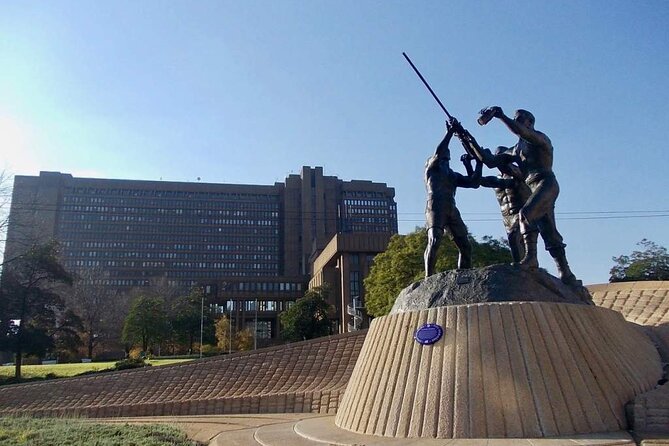
Constitution Hill is the strongest opening because it gives the morning its moral and political center. The site began as a prison complex and has since been transformed into a human rights precinct. It also houses the Constitutional Court of South Africa.
You have about 25 minutes here, with admission included. That is enough for an introduction and key explanations, but not enough for a slow, full examination of every building or exhibit. If Constitution Hill is a major reason for your visit, you may want to return independently for more time.
The value of this stop is the contrast between the site’s past and present. You are not simply looking at old prison walls. You are considering how a place linked to state control now relates to constitutional rights and democratic government.
Listen closely to the guide here. The facts may be familiar if you have studied South African history, but the tour’s strength is likely to be the connection between the physical site and the country’s current ideals. This is also a useful point to ask questions before the schedule becomes more street-focused.
COSATU House and the labor movement
The five-minute stop at COSATU Braamfontein is short, but it adds a different voice to the morning. COSATU House serves as the headquarters of the Congress of South African Trade Unions, one of South Africa’s largest labor federations.
Do not expect a full building tour or museum visit. This is a quick look at a place tied to organized labor and public life. Its purpose is to widen the story beyond courts and political leaders.
I like this inclusion because it reminds you that social change is not made only in grand government buildings. Workers, unions, and public organizations also shaped South Africa’s path. The short timing means the guide’s explanation matters more than the stop itself.
If you prefer a tour built around major monuments only, this may feel like a pause. If you want a broader view of how society functions, it is a useful piece of the route.
Wits University and the Wits Art Museum
The University of the Witwatersrand introduces Johannesburg as a center of education, research, debate, and culture. Wits is a respected public research university, known for work in science, engineering, and the humanities.
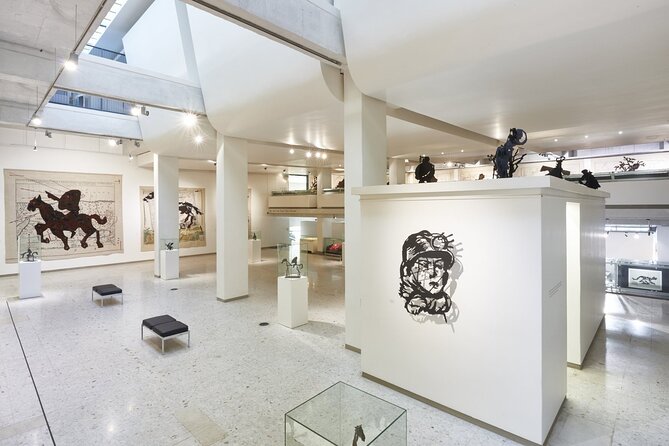
The main draw here is the Wits Art Museum, with admission included and about 25 minutes allotted. Its collection includes South African and international art, making it one of the tour’s best chances to slow down and look at actual objects rather than only buildings and street scenes.
Twenty-five minutes is enough for a focused visit, but you will need to accept that you are seeing a selection rather than the whole museum. Ask the guide which pieces or sections matter most. That will help you use the limited time well.
This stop also supports the tour’s larger theme. Art is not treated as decoration added after the history lesson. It becomes part of the way South Africa records identity, conflict, memory, and change. I especially like the balance between formal museum art and the street art you encounter elsewhere on the route.
More Walking Tours in Johannesburg
- Soweto: Walking Tour with a Local Guide and Lunch
★ 4.9 · 648 reviews - Soweto Walking Tour with Lunch
★ 5.0 · 288 reviews - Johannesburg: Local Food Tasting Guided Walking Tour
★ 4.7 · 192 reviews - Johannesburg: City Centre Walking Tour
★ 4.8 · 152 reviews
Braamfontein Square and the city in motion

Braam Square gives you a brief look at public life in Braamfontein. The square has undergone major renewal and now functions as a public meeting place in the area.
The stop lasts about 15 minutes and has no admission charge. That timing suits a square: you can get your bearings, listen to the guide, and observe how people use the space without turning it into a long formal visit.
This is where the tour starts to feel less like a sequence of institutions and more like a walk through a living city. You see how a district changes when neglected or underused areas receive new attention. The guide’s local knowledge can help you notice details that would otherwise pass without meaning.
Keep your expectations realistic. Braam Square is not presented as a major museum or landmark with a long indoor visit. Its value lies in setting, movement, and context.
Crossing Nelson Mandela Bridge to Newtown
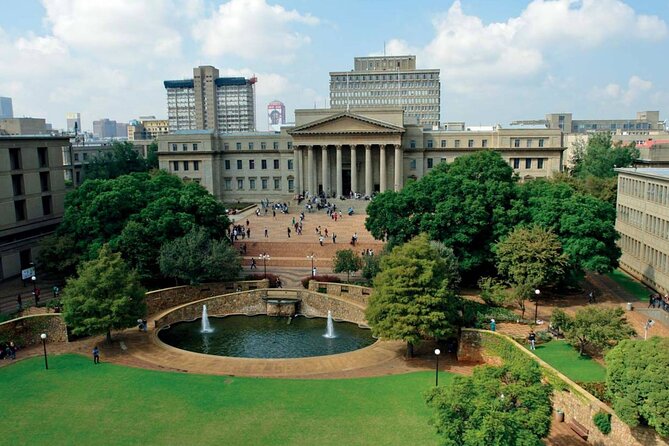
The ten-minute crossing of Nelson Mandela Bridge is one of the tour’s simplest but most memorable transitions. You cross the bridge on the way to Newtown, moving from Braamfontein toward another major cultural district.
A bridge offers a quick visual reset. It lets you see the city as connected districts rather than isolated attractions. The name also places the route within the wider story of Mandela and South Africa’s democratic era.
This is not a dedicated sightseeing stop with a ticket or extended commentary. It is part of the route, so weather and walking comfort may affect how much you enjoy it. Wear practical shoes and keep your phone ready if you want photographs, but do not expect a long photo break during a tightly timed morning.
Oriental Plaza and the inner city’s commercial past
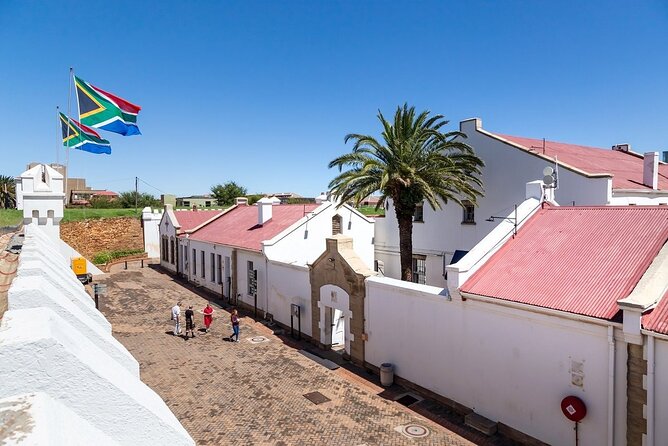
Oriental Plaza occupies a historic complex in Johannesburg’s inner city. It began as warehouses and shops in the late nineteenth century, then became a shopping center serving the city’s growing population in the early twentieth century.
The scheduled visit is about 20 minutes, with no admission fee. That makes it a quick cultural and commercial stop rather than a shopping excursion. You may have time to look around, but the tour’s focus is the place’s development and role in Johannesburg.
I find this kind of stop valuable because shops can tell you as much about a city as official monuments. Commercial spaces show how communities lived, traded, adapted, and built connections over time.
You should also know that this section may feel less polished than a museum visit. That is part of its appeal, but it means you need to pay attention to the guide’s explanation. Without context, you may see only a shopping complex. With context, you can read it as part of the city’s social and economic story.
Museum Africa: the longest stop for exhibits
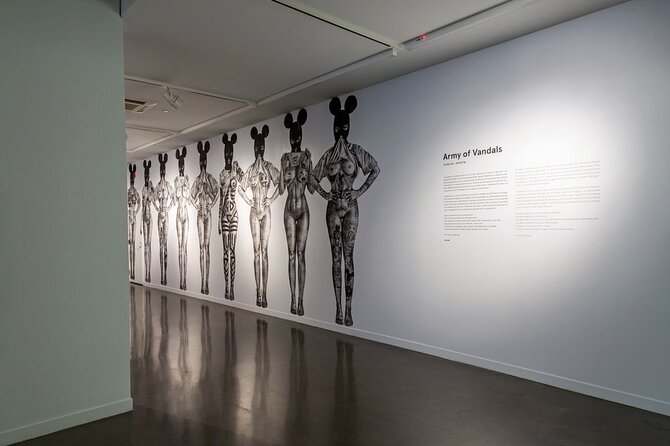
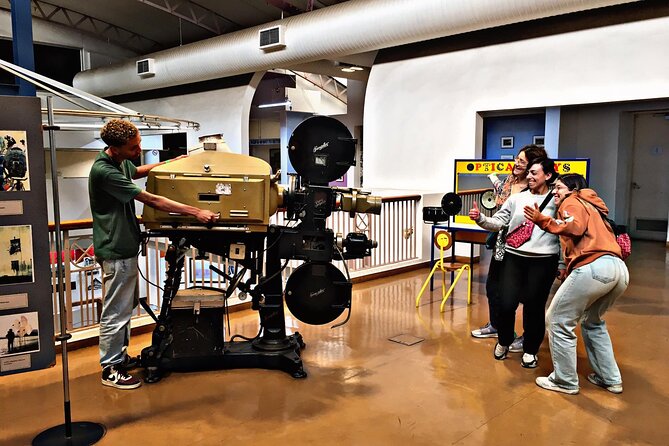
Museum Africa receives 35 minutes, the longest single stop on the route. Admission is included. The museum presents African history through artifacts, displays, and interactive material covering the continent’s past, present, and future.
This is the tour’s most direct museum-based look at Africa beyond the specific history of Johannesburg. The extra time matters, though 35 minutes still calls for selectivity. You will not see every gallery in detail, so ask the guide where to focus.
The museum works best if you treat it as a framework for the rest of the morning. Earlier stops explain political and institutional change in South Africa. Museum Africa broadens the lens and places those stories within the wider continent.
The wording around the exhibits suggests a mix of historic material and interactive displays, but the exact galleries available on the day are not specified. Keep that in mind when planning your expectations. You are booking a guided introduction, not a half-day museum study.
The Market Theatre and the final lesson in art
The tour ends at the Market Theatre in Newtown, with the scheduled visit lasting about 20 minutes and admission free. The theater played an important role during apartheid by giving artists a place to work, speak, and challenge an oppressive system.
This is a fitting final stop. After seeing courts, labor organizations, a university, public spaces, shops, and a museum, you finish with performance as a form of public argument.
The Market Theatre is also your endpoint at 56 Margaret Mcingana Street. That is practical if you plan to continue exploring Newtown after the tour. The description identifies it as the iconic Market Theatre and a theater linked to the struggle, so ask the guide about its role rather than treating it as just a photo stop.
Because the tour finishes here, you can use the final explanations to tie together the morning’s themes. Art appears in galleries, on city streets, and on a stage. That broad view is one of the experience’s best features.
Street art, local transport, and the human side
The tour promises attention to South African art both inside museums and on the streets. The supplied route gives formal museum time at Wits Art Museum and Museum Africa, then adds city movement through Braamfontein, the bridge, Oriental Plaza, and Newtown. The street-art side is especially useful if you enjoy learning why a mural exists, not just taking a picture of it.
One guide named in the feedback is Sean. He is praised for explaining the background of significant downtown sites, bringing energy to the walk, and helping people feel safe on the roads. Another review names K as a guide connected with strong street-art explanations. Since the guide assigned to your date is not guaranteed in the details provided, treat these names as examples rather than a promise.
Using local transportation gives you a more direct sense of Johannesburg’s daily rhythm. It also means the experience is not a sealed sightseeing bubble. You should be comfortable with a moving, urban format and a schedule that depends on getting between districts.
The small maximum of seven people is a real advantage. A guide can answer questions more easily, adjust explanations, and keep the group together without the feel of a large coach tour. The tradeoff is that the pace may be brisk, especially if the group spends time asking questions.
What the $37.02 price really covers
At $37.02 per person, the tour is priced as an affordable guided introduction rather than a luxury outing. Included admissions to Constitution Hill, Wits Art Museum, and Museum Africa improve the value, since you are not paying separate entry charges during the morning.
You are also paying for route planning. Johannesburg’s sites are not all in one compact historic center, and the tour links them in a coherent sequence. The guide’s explanations are the main product, especially at the shorter stops where there is little time to read on your own.
The price looks strongest for a first visit, a solo visitor who wants company, or anyone who would not feel comfortable working out this route alone. It is less compelling if you already know these districts and want long, quiet museum visits.
A local food experience may also form part of the outing. Food is not listed as one of the eight formal stops, but the experience has included a local option, including a filling platter and braai praised as enough for lunch and dinner. Confirm whether food is included on your departure, and budget separately unless your booking details say otherwise.
Who should book this experience?
I would choose this tour if you want history and art in the same morning. It suits you especially well if you prefer local context, public spaces, and everyday city life to a checklist of famous sights.
It is also a good fit for people who want a guide before exploring Johannesburg independently. You get an introduction to Braamfontein, Newtown, Constitution Hill, and the inner city, plus practical experience moving between them.
You may want another option if you need a slow museum day, have difficulty maintaining a brisk walking schedule, or want every stop to receive equal time. The itinerary includes several short visits, including only five minutes at COSATU House and ten minutes on the bridge.
Most people can participate, and the tour is near public transportation. Pickup is offered, mobile tickets are available, and confirmation arrives at booking. Free cancellation applies if you cancel at least 24 hours before the local start time. Cancellations or changes inside that window are not accepted for a refund.
Should you book the Johannesburg City Evolution, Arts and Museums Walking Tour?
Book it if you want a compact, serious introduction to Johannesburg that connects democracy, human rights, labor, education, museums, street art, and theater. The strongest reasons are the seven-person maximum, included museum admissions, local transportation, and guides such as Sean who bring warmth and useful context.
Go in knowing that three hours passes quickly. You will get a carefully linked overview, not a leisurely examination of every site. For the $37.02 price, that tradeoff is sensible, especially on a first visit. If your priority is seeing how Johannesburg’s past and present meet in ordinary streets and cultural institutions, this is a strong choice.
FAQ
How long does the tour last?
The tour lasts approximately three hours.
What time does the tour start?
It starts at 10:00 a.m.
Where does the tour begin?
The listed meeting point is Constitution Hill Human Rights Precinct, 11 Kotze Street, Braamfontein, Johannesburg, 2017, South Africa.
Where does the tour finish?
The tour ends at the Market Theatre, 56 Margaret Mcingana Street, Newtown, Johannesburg, 2001, South Africa.
Is pickup available?
Pickup is offered. The listed start point is Constitution Hill, so confirm the exact pickup arrangement when booking.
How many people can join the tour?
The maximum group size is seven people.
Is mobile ticketing available?
Yes. The experience offers a mobile ticket.
Which admissions are included?
Admission is included for Constitution Hill Human Rights Precinct, Wits Art Museum, and Museum Africa.
Does the tour use public transportation?
Yes. Local transportation is used as part of the experience.
Can I cancel for a full refund?
Yes, if you cancel at least 24 hours before the experience’s start time. Cancellations or changes made less than 24 hours before the start time are not accepted for a refund.
Just added in Johannesburg
- Johannesburg Culture and food tour★ 4.5 · 3 reviews
- Johannesburg Apartheid Museum and Soweto★ 5.0 · 14 reviews
- Ultimate Johannesburg Soweto Experience with Apartheid Museum★ 5.0 · 13 reviews
- Pretoria, Soweto and Apartheid Museum Guided Day Tour from Johannesburg Private★ 4.0 · 4 reviews
- Johannesburg Like a Local: Customized Private Tour★ 5.0 · 3 reviews
- Downtown Johannesburg Tuk tuk Tour with a local lunch★ 4.5 · 12 reviews
- Experience Johannesburg Wine Tour Views and Luxury★ 5.0 · 2 reviews
- LocalPlaces Understanding Soweto Tour★ 5.0 · 2 reviews
City Tours, compared.
Cape Town Hop-On Hop-Off City Tour with Optional Cruise
Read our review →
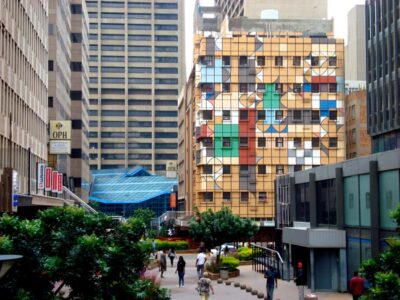
Jo’berg in 1 Day: Soweto, Apartheid Museum & City Tour
Read our review →
Cape Town City Pass: Save Over 50% on 80+ Top Attractions
Read our review →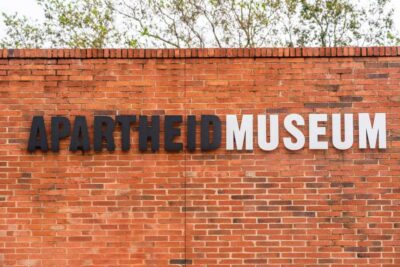
Hop-On Hop-Off Bus, City Tour and Apartheid Museum
Read our review →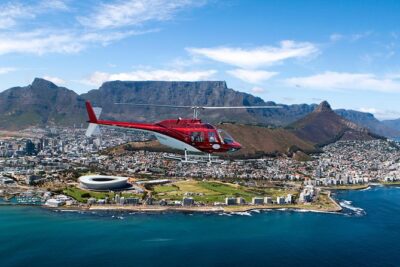

From Sun City: Pilanesberg National Park 3-Hour Game Drive
Read our review →
Browse the lists this tour appears in