
REVIEW · TOWNSHIP TOURS
Township Walking Tour
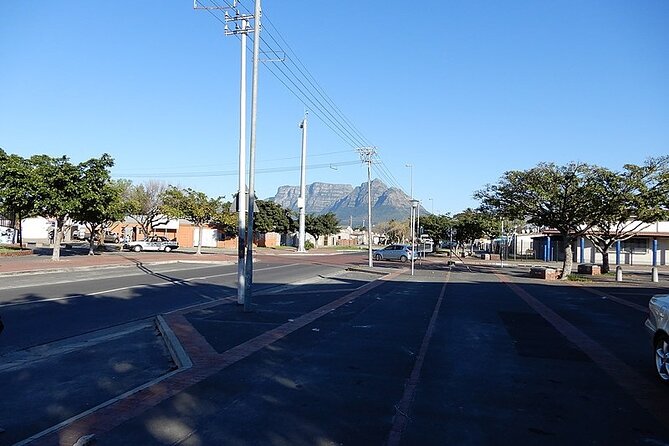
Some Cape Town stories begin far from the waterfront. This four-hour experience takes you into Langa, Cape Town’s oldest township, where you can learn about apartheid, meet local residents, and see how community projects shape daily life. I like the Langa-led perspective, and I like that the tour pairs difficult history with working arts and cultural spaces.
The visit to the Dompas Museum and the old Langa flats gives the past a clear, human scale. You are not only looking at dates and buildings. You are seeing places tied to migrant labor, family life, and the painful rules of apartheid. That said, this is not a light sightseeing outing. Some parts may feel sad or confronting, and the tour works best if you give the subject your full attention.
In This Review
- Key points to know before booking
- Why Langa belongs on a Cape Town itinerary
- A four-hour outing with practical transport
- The Dompas Museum: history with a human face
- The old Langa flats and former hostels
- Guga S’Thebe shows Langa creating its future
- The most meaningful part: local voices
- What the tour does well, and where it may fall short
- Who should book this Langa walking tour?
- Should you book it?
- FAQ
- Where does the Township Walking Tour take place?
- How long does the tour last?
- Is transportation included?
- What places are visited?
- Are entrance fees included?
- Is lunch included?
- What is the cancellation policy?
Key points to know before booking
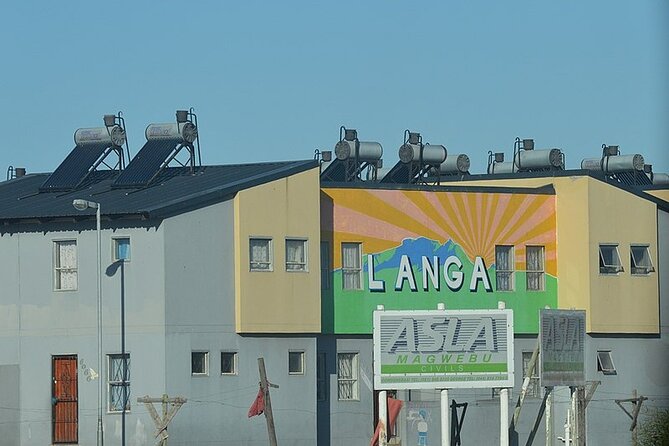
- Langa is the focus: You spend the walking portion in Cape Town’s oldest township, rather than simply viewing it from a vehicle.
- Apartheid history is central: The Dompas Museum and Langa’s old hostels explain how government policies affected ordinary people.
- The community leads the experience: Tour staff are Langa residents with a direct understanding of the area’s past, present challenges, and future hopes.
- Guga S’Thebe adds a creative side: The arts centre supports metalwork, pottery, dance, music, poetry, theatre, and small businesses.
- Transport is included: An air-conditioned vehicle is provided, along with entrance fees and taxes.
- Plan for four hours: The tour includes about three hours around Langa Heritage and the Dompas Museum, followed by about one hour at Guga S’Thebe.
Why Langa belongs on a Cape Town itinerary

Cape Town can make it easy to stay within a polished visitor circuit. Table Mountain, the waterfront, beaches, and historic central streets all deserve time, but they do not tell the whole story of the city. Langa gives you a different view, one shaped by forced separation, migrant labor, family life, and local creativity.
I appreciate that this tour does not treat the township as a backdrop for photographs. Its purpose is to help you understand the place. The guides are Langa residents, so the experience has a useful local connection. They bring firsthand knowledge of the township’s history, its problems, and its hopes.
That local link matters. A township visit can feel uncomfortable if it is handled as a quick look at poverty. Here, the schedule gives the area more room. You visit a museum, see old housing, and spend time at a community arts centre. Together, these stops show both the damage caused by apartheid and the work being done today.
You should still arrive with respect. Langa is a lived-in community, not an open-air museum. Listen carefully, ask questions politely, and avoid turning residents into scenery. The best reward is a fuller understanding of Cape Town, not a collection of snapshots.
More Township Tours in Cape Town
- Half-Day Tour Through Cape Town’s Townships
★ 4.8 · 979 reviews - Cape Town: Guided Township Tour with Hotel Pickup
★ 4.4 · 536 reviews - Cape Town: Nathi Langa Township Walking Tour
★ 4.9 · 493 reviews
A four-hour outing with practical transport
The tour lasts about four hours, which is long enough to provide context without taking an entire day from your Cape Town plans. Pickup is offered, and the transport is by air-conditioned vehicle. That is a useful feature if you are staying elsewhere in the city and do not want to arrange your own route to Langa.
The group can include up to 60 people. That is the main practical point to consider. A large group may make the experience less intimate than a small neighborhood walk, particularly when you are listening in a museum or moving through community spaces.
The exact feel of the group can vary, but you should prepare for a structured outing rather than a private conversation. The included entrance fees also simplify the day. You pay one price, about $45.72 per person, with taxes and admissions covered. Lunch is not included, so plan to eat before or after the tour unless you make separate arrangements.
For a four-hour guided visit with transport and two paid attractions included, I consider the price reasonable. The value is not in the number of stops. It is in having local interpretation while visiting places that would be difficult to understand fully on your own.
The Dompas Museum: history with a human face
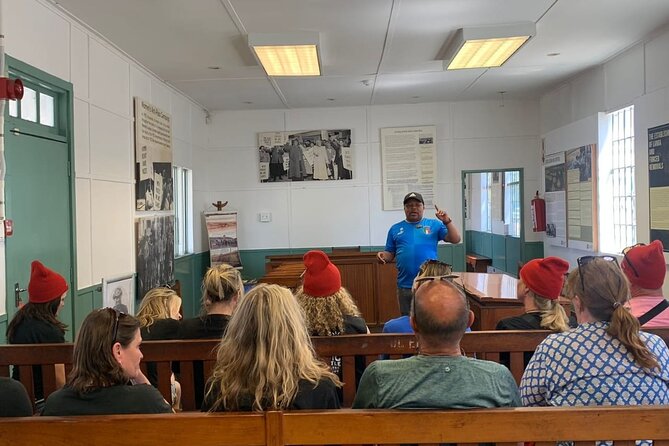
The first major part of the tour takes you to the Langa Dompas Museum, located in the heart of the township. The museum commemorates the centenary of Langa and occupies former Bantu Affairs Administration offices.
That setting gives the visit weight. These were once offices connected to the administration of apartheid. Today, the building helps explain the controls placed on Black South Africans and the human cost behind official policies.
The name Dompas refers to the pass documents that controlled movement under apartheid. The system affected where people could work, live, and travel. In a museum setting, that history becomes easier to grasp because it is linked to a real place in the community, not presented as a distant chapter in a textbook.
The museum also honors people affected by apartheid, including both its victims and those who resisted it. The tone is likely to be reflective rather than entertaining. I would allow yourself time to listen instead of rushing through displays for the next stop.
This is one of the strongest parts of the experience for first-time visitors to Cape Town. It gives you historical grounding before you explore the surrounding area. Without that background, old housing blocks and township streets can be easy to misread. With it, you begin to see how policies shaped the physical layout and the lives lived within it.
The old Langa flats and former hostels
The tour also visits Langa’s old flats and hostels. The flats were built in 1944 as single-sex hostels for migrant workers. During apartheid, these buildings were intended mainly for men who had come to work, often separated from their families.
Many of the former hostels are now family homes. In some cases, as many as three families live in one house. That detail helps you understand the difference between the original purpose of the buildings and their role today.
I find this part especially important because it shifts the story from government policy to household life. A hostel may look like an old structure, but the guide can help you understand how people adapted it for family use. The building’s purpose changed, yet the pressure of limited space remains part of the story.
You should expect this stop to be observational and educational. It is not a polished historic attraction. People live here, and the area should be treated with care. The value comes from seeing how history remains part of the present, not from searching for dramatic sights.
The extended time allocated to Langa Heritage and the Dompas Museum means you are not simply driving past the hostels. The schedule allows around three hours for this portion of the experience. That gives the guide space to explain the area and answer questions, though the size of the group may affect how much personal discussion is possible.
More Walking Tours in Cape Town
- Cape Town: Art, Culture & History Walking Tour
★ 4.9 · 392 reviews - Cape Town: Street Art Walking Tour in Woodstock
★ 4.8 · 293 reviews - Cape Town: Langa Township Walking Tour
★ 4.8 · 272 reviews - Cape Town: Private Walking Tour with a Local
★ 4.6 · 243 reviews
Guga S’Thebe shows Langa creating its future
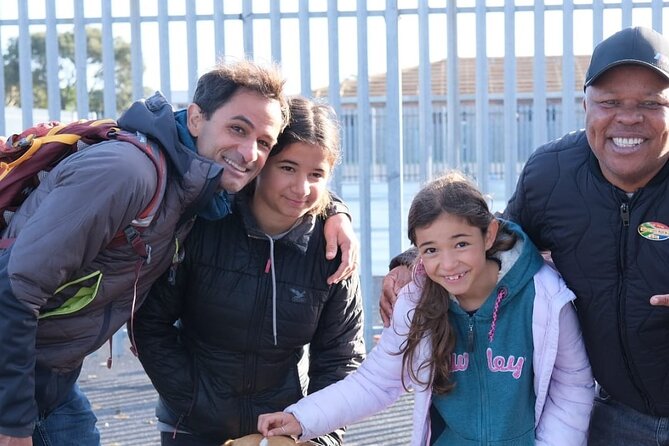
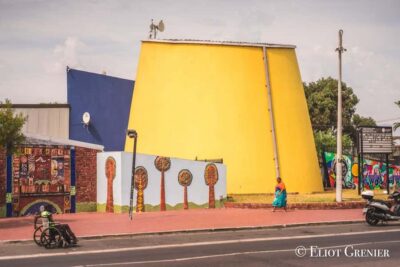
The second main stop is Guga S’Thebe Arts and Cultural Centre. The centre offers training in metalwork, pottery, dance, arts and crafts, traditional dancing, choir, music, and poetry.
This is a useful counterpoint to the museum. The first part of the tour asks you to face the past. Guga S’Thebe shows how local people build skills, express identity, and support one another now.
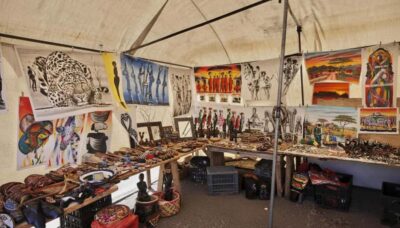
The centre includes a community theatre where local groups can stage performances. It also has an arts and crafts shop. If you want to take home something connected to the place you visited, this gives you a more meaningful option than buying a generic souvenir elsewhere.
Guga S’Thebe also provides accounting and secretarial services for small entrepreneurs and local businesses. That detail is easy to overlook, but it reveals the centre’s wider role. It is not only an arts venue. It supports practical business needs and helps local ventures start or grow.
You spend about one hour here. That is enough to understand the centre’s purpose and see the range of activities it supports, but it may not allow for a full performance or detailed workshop in every art form. The supplied information does not promise a particular show, class, or demonstration, so you should view those as possibilities rather than guaranteed parts of the visit.
I like this stop because it keeps the tour from presenting Langa only through suffering. Art, music, theatre, and craft are not decorative extras here. They are part of how people build community and create opportunities.
The most meaningful part: local voices
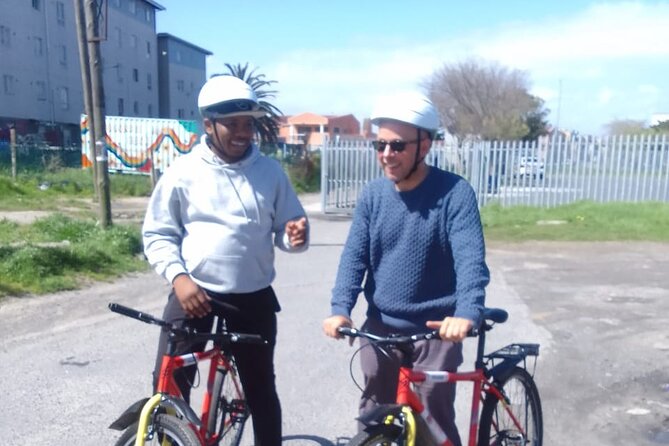
The strongest feature of this experience is the connection to Langa residents. The staff have firsthand knowledge of the township, including its history, challenges, and hopes. That can make a major difference in how you understand what you see.
A guide who lives in the community can explain details that a detached commentary might miss. The old flats are not just examples of apartheid housing. The Dompas Museum is not just a building. Guga S’Thebe is not just a cultural stop. Each place relates to people who live and work in Langa today.
The experience is also described as friendly and hopeful. That does not erase the difficult parts. Instead, it gives you a more balanced picture. You can learn about oppression while also seeing local enterprise, artistic work, and pride in the community.
I would not expect the tour to answer every question about township life or South Africa’s past. Four hours can introduce the subject, not cover it completely. Still, it offers a solid starting point for anyone who wants more than Cape Town’s postcard attractions.
What the tour does well, and where it may fall short
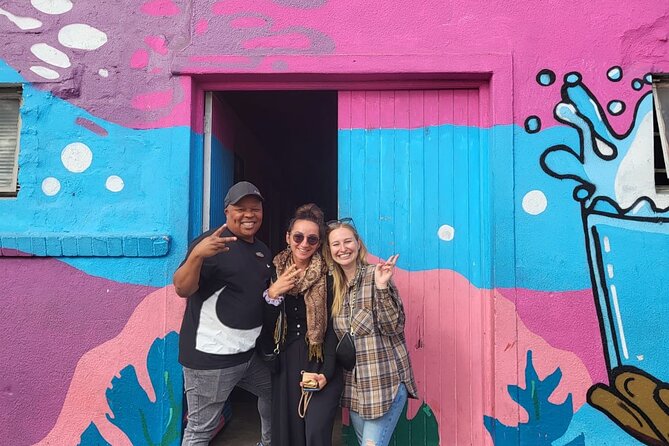
The tour’s best qualities are its local leadership, clear historical focus, and balance between memory and present-day community work. The Dompas Museum gives the visit a serious foundation. The old hostels make the effects of apartheid visible. Guga S’Thebe adds energy and shows how culture and small business support local life.
The main limitation is group size. With a maximum of 60 people, you may not receive the same personal attention available on a small private walk. If you want a quiet, flexible conversation with a guide, check the expected group size before booking or ask if a smaller departure is available.
The subject matter is another consideration. You may hear about forced movement, discriminatory laws, poor housing conditions, and families living in cramped spaces. This is valuable information, but it can be emotionally heavy. I would not schedule it immediately before a rushed afternoon of unrelated sightseeing.
A final point is the lack of lunch. Food is not included, so allow time to eat separately. The tour does highlight traditional African cuisine in its description, but a meal is not listed as part of the four-hour program. Do not book it expecting lunch to be provided.
Who should book this Langa walking tour?
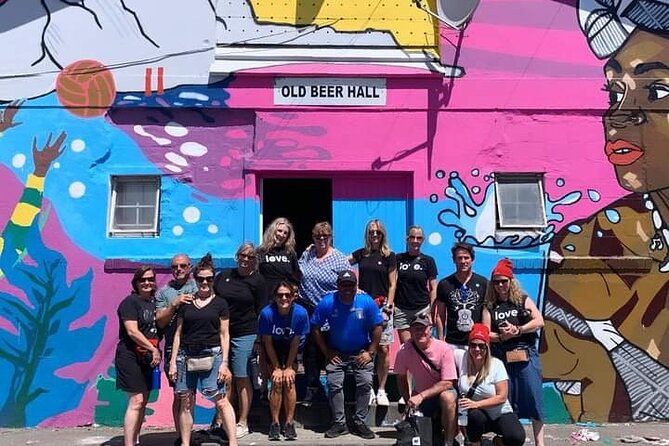
I would recommend it to first-time Cape Town visitors who want to understand the city beyond its famous views. It suits people interested in South African history, community projects, arts, architecture, and social change.
Families with older children may also find it worthwhile, especially if they have already discussed apartheid and want to connect those lessons with real places. Most people can participate, according to the booking information, but the experience is still a walking tour in a township, so comfortable footwear and a respectful attitude make sense.
It is less suited to anyone looking for a relaxed food outing, a short photo stop, or a purely scenic tour. The experience asks you to listen and think. Its reward is insight rather than spectacle.
Booking confirmation is provided at the time of booking. Free cancellation is available if you cancel at least 24 hours before the start time. Cancellations within 24 hours are not refunded, and the tour may be rescheduled or refunded if bad weather or insufficient bookings cause cancellation.
Should you book it?
Yes, if you want a thoughtful introduction to Langa and are willing to engage with difficult history. The combination of a local guide, the Dompas Museum, former hostels, and Guga S’Thebe gives the tour real substance.
At about $45.72, it is a fair choice for a four-hour experience with transport and admission fees included. I would book it early, since it is commonly reserved about 13 days ahead, and I would choose a day when you have time afterward to reflect.
If your main goal is Cape Town scenery or a compact sightseeing loop, choose another activity. If you want to see how history, housing, art, and community life connect, this is one of the more useful additions to a Cape Town visit.
FAQ
Where does the Township Walking Tour take place?
The guided walking portion takes place in Langa Township, Cape Town’s oldest township.
How long does the tour last?
The experience lasts approximately four hours.
Is transportation included?
Yes. Transport is provided in an air-conditioned vehicle, and pickup is offered.
What places are visited?
The tour visits the Langa Dompas Museum, Langa’s old flats and hostels, and Guga S’Thebe Arts and Cultural Centre.
Are entrance fees included?
Yes. Entrance fees, all taxes, and admission costs are included.
Is lunch included?
No. Lunch is not included in the tour price.
What is the cancellation policy?
You can cancel at least 24 hours before the start time for a full refund. Cancellations or changes made within 24 hours are not refunded. If poor weather or insufficient bookings cancel the experience, you will be offered another date or experience, or a full refund.
Just added in Cape Town
- Sunset Safari Big 5 Aquila with Snacks and Wine Tasting★ 5.0 · 12 reviews
- Private Tour to 20 Wine Tasting in Stellenbosch and Franschhoek★ 5.0 · 11 reviews
- Explore Atlantis Sand Dunes with a 1hour 30mins sandboarding tour★ 5.0 · 5 reviews
- Robben Island, Kirstenbosch wine tasting Tour★ 5.0 · 10 reviews
- Photoshoot in Cape Town’s most Gorgeous Locations★ 5.0 · 2 reviews
- Zip Line and Wine from Cape Town★ 5.0 · 14 reviews
- Private Transfer from Cape Town International Airport★ 5.0 · 4 reviews
- 1 Hour Cape Town City Center Photoshoot Experience★ 5.0 · 19 reviews
Township Tours, compared.

Authentic 3–4 Hour Cultural Township Experience
Read our review →Browse the lists this tour appears in