
REVIEW · COOKING CLASSES
Authentic Private South African Cooking Class with Jolandi
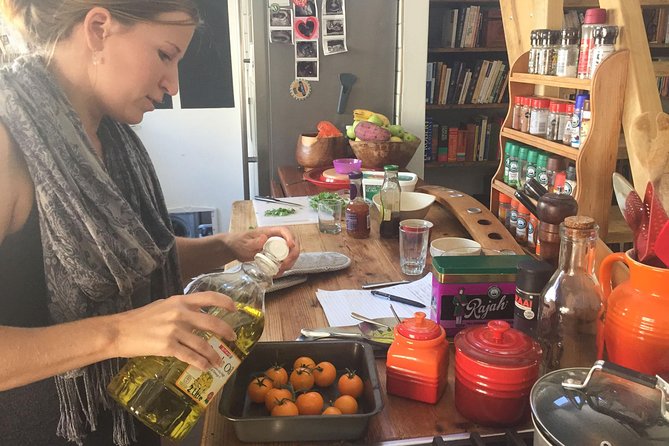
Food tells South Africa’s story. This three-hour private class brings you into Jolandi’s countryside home near Worcester, where you help prepare traditional South African and Cape Malay dishes, then sit down for a family-style meal with local wine. I especially like the private home setting and the way each recipe comes with cultural background, including the story behind Bunny Chow during Apartheid. The main drawback is practical: hotel pickup is not included, and the meeting point is at Die Stal Die Teras in De Wet, so you must arrange your own transport.
I also like the personal wine pairings, which make this more than a basic cooking lesson. Jolandi and her family host the meal and conversation, and one previous participant received a recipe and information booklet to take home. The menu changes with the season, so you should be open to a meal shaped by what is available rather than a fixed restaurant menu.
In This Review
- Key points to know before booking
- What the three-hour visit is really like
- Cooking South African and Cape Malay food from scratch
- The meal, the wine, and the conversation
- A private home, not a commercial cooking school
- Where you meet and how to plan the day
- Is $74 a fair price?
- Who will enjoy this class most?
- How to get the most from your visit
- Should you book Authentic Private South African Cooking Class with Jolandi?
- FAQ
- How long does the cooking class last?
- Is this a private activity?
- What type of food will I prepare?
- Is a vegetarian option available?
- Are wine pairings included?
- Is hotel transportation provided?
Key points to know before booking
- A real home visit: This is held in Jolandi’s countryside home, not a commercial cooking school.
- Hands-on cooking: Plan on about 1.5 hours of chopping, stirring, and cooking before the meal.
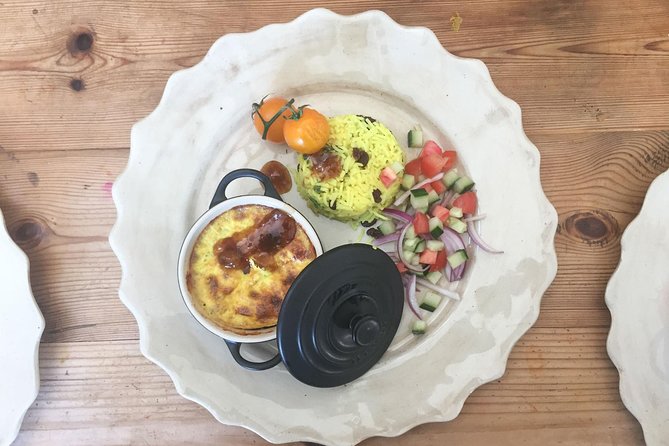
- South African and Cape Malay recipes: The food is traditional, with stories about its origins and place in local culture.
- Wine with the meal: Local South African wines are paired with the dishes.
- Private for your group: Only your party takes part, making the pace and conversation more personal.
- Plan your own ride: Hotel pickup and drop-off are not included, and the experience returns to the meeting point.
What the three-hour visit is really like
This experience is built around a simple rhythm: arrive at Jolandi’s home, cook with her, then eat together. The full visit lasts about three hours, with roughly 1.5 hours devoted to the hands-on lesson and the rest given to the meal, wine, and conversation.
That timing matters. You are not rushing through a short demonstration before being sent away with a plate. You have enough time to handle the ingredients, ask questions, hear the background of the dishes, and enjoy the result at the table.
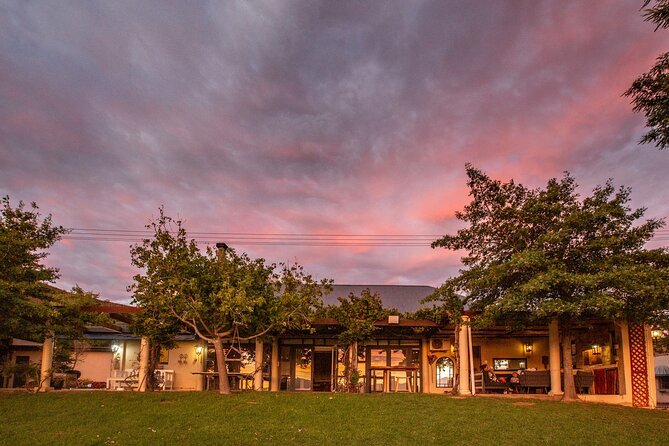
The setting is part of the appeal. Jolandi’s home is described as a countryside property surrounded by mountains, vineyards, and wineries. I would treat the surroundings as a pleasant bonus rather than a separate sightseeing stop. The main event is the kitchen and the time spent with the family.
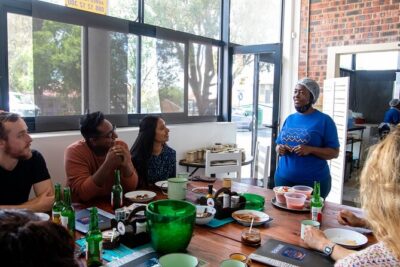
Because the class is private, you will not be sharing the cooking bench with a large mixed group. That can make it easier to ask about unfamiliar ingredients, adjust the pace, or focus on particular cooking techniques. It also means the mood depends on your own group. If you enjoy sitting with a local family and talking over a meal, this format should feel warm and relaxed. If you prefer a polished school with professional stations and a fixed lesson plan, this may feel informal.
More Cooking Classes in Western Cape:
- Cape Town: Malay Cooking Class and Lunch in Bo-Kaap
★ 4.8 · 515 reviews - Authentic African Cuisine Cooking Experience
★ 5.0 · 236 reviews - Cape Town: Cape Malay Cooking Class in Bo-Kaap
★ 4.8 · 120 reviews
Cooking South African and Cape Malay food from scratch
Jolandi focuses on South African and Cape Malay cooking, two areas that can be difficult to explore fully in a standard restaurant meal. You help prepare the dishes rather than simply watching someone else cook them.
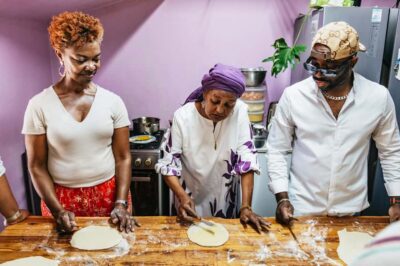
The class includes practical work such as chopping, sizzling, and stirring. Those simple tasks are useful because they show how fresh ingredients are handled and how small cooking choices affect the final texture and flavor. You can ask Jolandi for tips as you work, giving the session a more useful feel than a cooking demonstration where the chef does everything.
The menu is not fixed all year. It can change with the season, which is sensible in a home kitchen and gives the meal a local character. It also means you should not book expecting a specific dish unless Jolandi confirms it in advance.
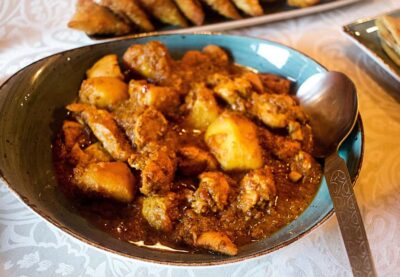
Bunny Chow receives special attention as an example of how food can carry social and political meaning. Jolandi explains its origins during Apartheid while you cook and later eat the meal. That kind of context helps you understand the dish as more than a novelty on a menu. It connects everyday food with South African history and the communities that shaped it.
The Cape Malay element adds another layer. The meal gives you a chance to encounter food traditions that may not appear in the usual restaurant circuit. I like this approach because the cooking lesson is not only about following instructions. It is also about hearing why the dishes matter and how they fit into South African life.
The meal, the wine, and the conversation
After cooking, you sit down to eat the dishes you helped prepare. The meal is served in Jolandi’s home with her family, so the social side is just as important as the food.
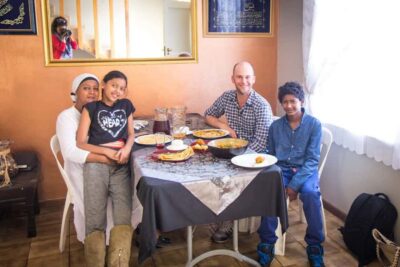
This is where the private format earns its keep. You can talk directly with Jolandi and her family instead of eating at a restaurant table with no personal connection to the kitchen. The conversation gives the experience a human scale, and it allows the meal to unfold at a comfortable pace.
Local South African wines are paired with the food. The wine is included in the price, and the pairings are selected for each course rather than offered as an afterthought. That is a useful touch for anyone who wants to understand how local wine works with regional cooking.
One particularly thoughtful detail is the recipe and information booklet that may be provided after the meal. It includes the recipes and background on the dishes served. If you like to recreate holiday meals at home, this adds lasting value. You are not left with only a pleasant memory and a few hard-to-decipher notes.
You should still be clear about what the wine pairing means. The information promises a fine selection of local wines, but it does not list the wineries, varietals, or number of pours. If those details matter to you, ask when booking. The same applies to the exact menu.
A private home, not a commercial cooking school
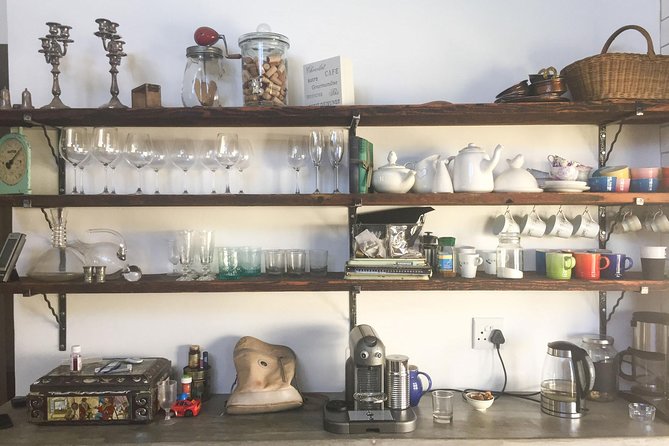
The hosts are clear about the nature of the experience: this is a visit into a local home to meet an expert cook and share South African culture through food. That distinction is important.
You should expect a personal kitchen, family conversation, and a lesson shaped by the host. You should not expect a commercial studio, a uniform professional setup, or a large teaching staff. The home setting is the reason to choose this class, but it also means the experience may feel less formal.
I see that as a strength for the right person. You get a closer look at how food is prepared in a local home, and you can spend time with the people behind the meal. The two available review comments strongly praise the welcoming family atmosphere, delicious food, entertaining conversation, and the effort put into explaining the dishes.
The home setting also calls for a little courtesy. Tell Jolandi about allergies, dietary restrictions, or cooking preferences at the time of booking. A vegetarian option is available, but it must be requested in advance. Do not wait until you arrive and expect the menu to change easily.
A few more in Western Cape
- Bloukrans Bungy, the worlds best bungy jump!
★ 5.0 · 504 reviews - Aquila Private Game Reserve: Sunset Safari with Entry Fee
★ 4.4 · 158 reviews - Skip the Line: Highgate Ostrich Farm Tour Ticket
★ 4.5 · 110 reviews - Touw River Boat Cruise – Wilderness National Park
★ 4.5 · 72 reviews
Where you meet and how to plan the day
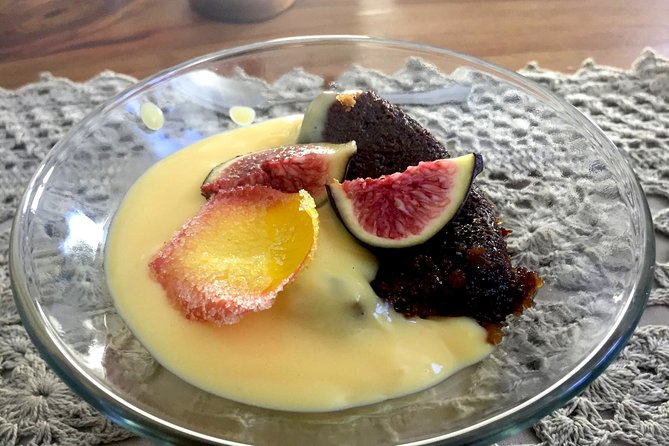
The meeting point is Die Stal Die Teras on De Wet Road in De Wet, Worcester, postal code 6853, South Africa. The activity ends back at the same meeting point.
Hotel pickup and drop-off are not included. You will need to arrange your own way there and back, so this class works best when you already have transport plans for the Worcester area. Build in enough time to reach the meeting point without cutting the cooking session close.
The description refers to a home in the False Bay area and also gives the De Wet, Worcester meeting point. Since exact directions and local geography matter, confirm the meeting instructions after booking. Confirmation is sent within 48 hours, subject to availability, and that is the right moment to check the arrival details, start time, dietary requests, and transport plan.
You can choose an afternoon lunch-style class or an evening dinner-style class. The choice lets you fit the activity around a day of sightseeing or a winery visit, but the details of the dishes may differ according to the season and selected time.
The mobile ticket makes entry simple, though it does not solve the transport issue. Keep the booking confirmation available on your phone and make sure your driver has the precise meeting address.
Is $74 a fair price?
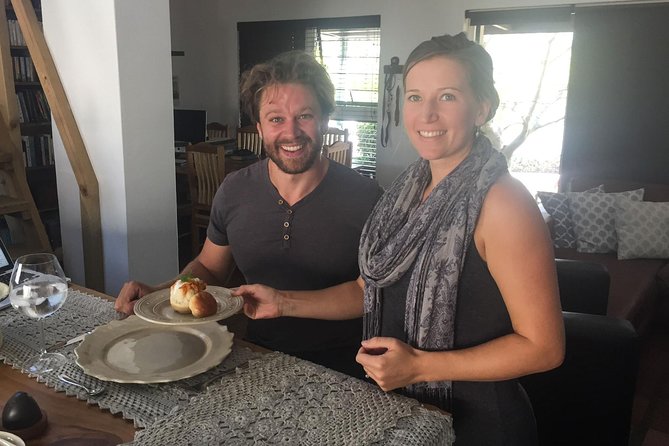
At $74 per person, this is not the cheapest way to eat in South Africa. It is also not simply the price of a restaurant dinner. You are paying for a private lesson, a meal, wine pairings, personal hosting, and several hours of time with Jolandi and her family.
I think the price is fair if you value access and conversation. A restaurant can give you a plate of Cape Malay or South African food, but it usually will not give you the recipe, the cooking practice, the story of Bunny Chow, and a family table in a countryside home.
The value improves for a small group because the experience is private and group discounts may be available. Ask about the discount before you book, especially if your party includes several people. The cost is less compelling if you only want to taste local food and have little interest in preparing it.
Wine pairings also help justify the cost. The selection is described as local and carefully matched to the courses. Since wine is included, you do not face a separate drinks bill at the end, although you should confirm the exact pairing details if you are planning around a wine-focused itinerary.
This is best viewed as a cultural meal with cooking included, not as a formal professional training course. That distinction helps set a sensible expectation about value.
Who will enjoy this class most?
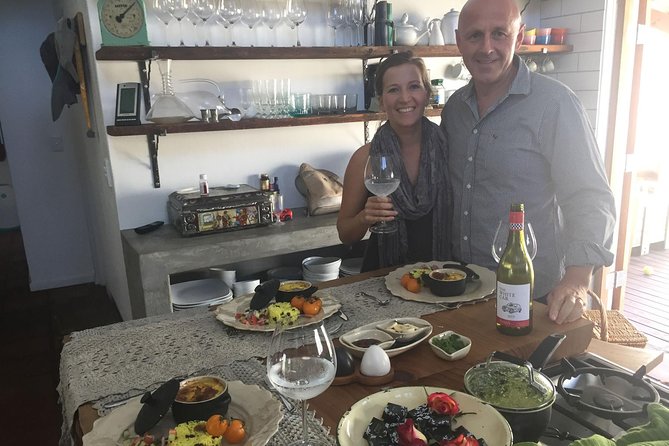
I would recommend the experience to couples, families, and small groups who like food with a story. It suits people who would rather spend an afternoon talking in a home than moving quickly between formal attractions.
It is also a good choice for anyone who has already visited restaurants and wineries and wants a more personal look at local food traditions. The lesson gives you something to do with your hands, while the meal gives you time to ask questions and absorb the setting.
The class may suit vegetarians, provided you request the option at booking. It can also work for people with food allergies or other dietary restrictions, but you must provide that information in advance. The seasonal menu means flexibility is useful.
I would be more cautious about booking if you need hotel transport, a fully fixed menu, or a tightly structured cooking school. The meeting point requires independent planning, and the home format is intentionally less commercial.
Families should also consider the length and style of the visit. The activity lasts about three hours and includes cooking, sitting down for a meal, wine pairings, and conversation. That is a comfortable pace for people who enjoy food-centered time together, but it may not suit anyone looking for a quick stop.
How to get the most from your visit
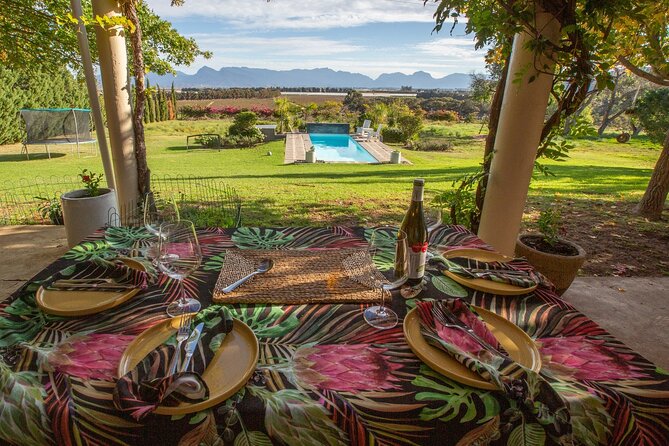
Send all food requests when you make the booking. This includes vegetarian needs, allergies, dietary restrictions, and cooking preferences. The hosts can prepare properly when they know in advance.
Ask for the exact menu and meeting instructions once your booking is confirmed. Since the menu changes with the season and the location details should be followed carefully, this small check can prevent avoidable confusion.
Arrive ready to participate. Wear something comfortable for kitchen work, keep your phone available for the mobile ticket, and leave enough time for the journey to Die Stal Die Teras. The experience is built around taking part, not sitting back while Jolandi handles every step.
Pay attention to the food stories as well as the recipes. The explanation of Bunny Chow’s connection to Apartheid is one of the most distinctive parts of the class. The cultural background gives you a better understanding of why certain foods are important and how South African cuisine reflects different communities.
If you enjoy the meal, ask about the recipe booklet before leaving. A personalized collection of recipes and dish origins can turn one afternoon in the Western Cape into something you can use long after your trip.
Cancellation requires care. You can cancel up to two days in advance for a partial refund, but cancellations or changes made less than two full days before the start time are not accepted and are not refundable. The cut-off follows local time.
Should you book Authentic Private South African Cooking Class with Jolandi?
Book it if you want a small, personal food experience with cooking, wine, and conversation in a local home. The strongest reasons are the private setting, the family welcome, the traditional South African and Cape Malay dishes, and the useful context behind the food.
Skip it if you want hotel pickup, a guaranteed menu, or a polished commercial cooking studio. You must arrange transport to Worcester, and the menu changes by season.
For most food-focused visitors, $74 is a reasonable price for three hours that combine instruction, a home meal, wine pairings, and cultural conversation. Just confirm the meeting details and dietary arrangements before you go, then arrive hungry and ready to help.
FAQ
How long does the cooking class last?
The complete experience lasts about three hours. The hands-on cooking lesson takes approximately 1.5 hours, followed by the meal, wine pairings, and conversation.
Is this a private activity?
Yes. Only your group participates, making this a private and personalized experience with Jolandi and her family.
What type of food will I prepare?
You will prepare traditional South African and Cape Malay dishes. The menu can vary according to the season.
Is a vegetarian option available?
Yes, a vegetarian option is available. You must request it when booking.
Are wine pairings included?
Yes. The meal includes pairings with local South African wines.
Is hotel transportation provided?
No. Hotel pickup and drop-off are not included. The experience starts and ends at Die Stal Die Teras, De Wet Road, De Wet, Worcester, 6853, South Africa.
Just added in Western Cape
- Langebaan Lagoon Island Kayak Experience★ 4.5 · 6 reviews
- Klein Karoo “High 5” Stargazing Experience in Oudtshoorn★ 5.0 · 7 reviews
- Quad Biking Fun Ride in Wilderness Garden Route★ 5.0 · 26 reviews
- Free Roaming Cheetah Experience★ 4.5 · 6 reviews
- Half-Day Swartberg Pass PRIVATE Tour (including lunch & transfer – Oudtshoorn)★ 4.5 · 9 reviews
- 3 Day – Guided Private Wine Walk Trails and Fossil Hunt★ 5.0 · 21 reviews
- Full-Day Swartberg Mountain PRIVATE Tour (including lunch and transfers)★ 5.0 · 9 reviews
- Cape Shark Diving Adventures★ 5.0 · 56 reviews
Cooking Classes, compared.
Half-Day Small Group Cooking Experience in Franschhoek
Read our review →
Private Cape Malay Cooking Class in Cape Town with a Local Family
Read our review →
GQ: City Walking Tour & African Cuisine Cooking Class
Read our review →Browse the lists this tour appears in