
REVIEW · BO-KAAP TOURS
Cape Town: City Bowl, Bo-Kaap, and Langa Township Tour
Cape Town’s story is best read street by street. This 150-minute tour links the City Bowl, colorful Bo-Kaap, and Langa Township with a local guide, giving you history, architecture, food culture, music, and everyday community life in one compact outing. I like the way it moves beyond postcard Cape Town, and I especially like that the Langa visit includes local art, craft markets, community projects, and a traditional food tasting.
The guide is central here. Banele has been praised for being friendly, patient, and clear, while Subusiso brought useful knowledge of the area and its people. I would allow for moderate walking, sun, and some emotionally serious history, and I would also confirm accessibility before booking because the information gives conflicting notes about wheelchair access.
In This Review
- Key points at a glance
- Why this short Cape Town tour is worth your time
- Starting at Guga S’thebe in Langa
- Understanding Langa’s apartheid and post-apartheid story
- A taste of township culture, from food to handmade crafts
- Bo-Kaap’s bright houses and layered architecture
- Reading the City Bowl through four architectural styles
- What the $28 price really includes
- Walking, weather, and accessibility
- Who will enjoy this experience most
- Should you book the Langa and Bo-Kaap tour?
- FAQ
- How long does the Cape Town City Bowl, Bo-Kaap, and Langa tour last?
- Where does the tour start and finish?
- What language is the tour conducted in?
- Is food included?
- Is hotel pickup included?
- What should I bring?
Key points at a glance

- Three sides of Cape Town in 150 minutes: Connect the City Bowl, Bo-Kaap, and Langa Township in a short guided experience.
- Bo-Kaap’s colorful streets: See the famous painted houses while learning about the neighborhood’s place in Cape Town’s story.
- Langa beyond a photo stop: Walk through the historic township, visit cultural landmarks, and learn about life during and after apartheid.
- Local culture has a real role: Food tasting, music, dance, art, crafts, and community initiatives are part of the experience.
- Strong local guiding: Banele and Subusiso have both been praised for careful explanations and a friendly manner.
- Good value at $28: The price is modest for a guided cultural tour with a food tasting and local encounters, though meals and transport are extra.
Why this short Cape Town tour is worth your time
Cape Town can be easy to misunderstand if you only see Table Mountain, the V&A Waterfront, and the main shopping streets. Those places have their appeal, but they do not explain how the city was shaped by colonial rule, forced separation, migration, race, architecture, and community action.
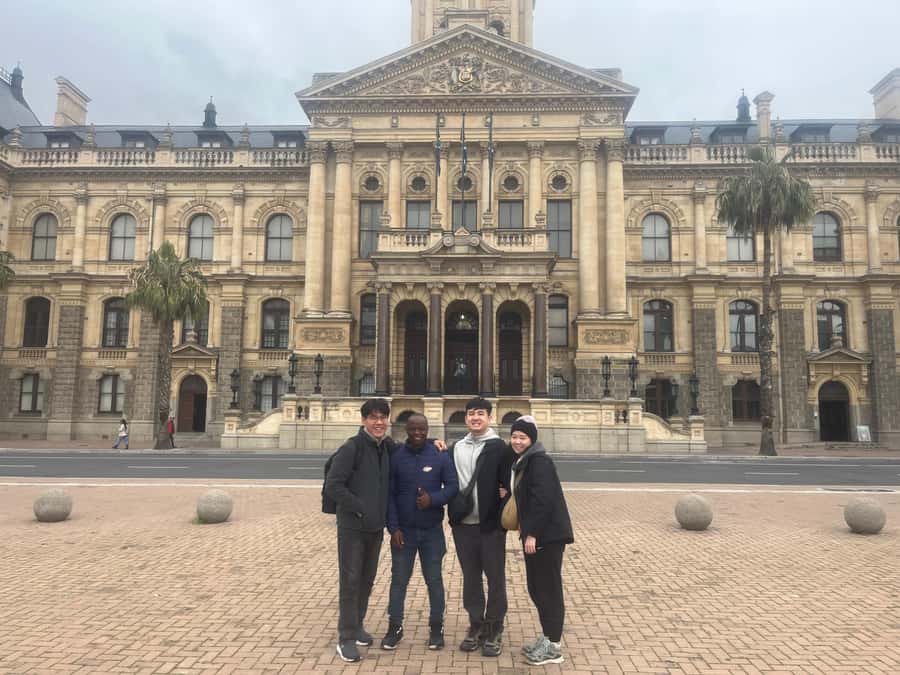
This tour gives you a quicker way to connect those pieces. In the City Bowl, you can look at several architectural styles, including Cape Dutch, Rococo, Art Deco, and British influences. In Bo-Kaap, the painted houses offer an immediate visual introduction to one of Cape Town’s best-known neighborhoods. In Langa, the focus shifts from façades to people, memory, culture, and the continuing work of local communities.
I like this mix because it keeps the tour from becoming only a sightseeing walk. You get buildings and photographs, but you also get context. The Langa section is especially valuable if you want to understand more than the polished center of Cape Town.
The time limit is both a strength and a weakness. At 150 minutes, the tour fits neatly into a morning or afternoon and works well for a short stay. But you should not expect a slow, detailed study of every area. The experience gives you an introduction, not a complete account of Cape Town.
More Township Tours in Cape Town
- Half-Day Tour Through Cape Town’s Townships
★ 4.8 · 979 reviews - Cape Town: Guided Township Tour with Hotel Pickup
★ 4.4 · 536 reviews - Cape Town: Nathi Langa Township Walking Tour
★ 4.9 · 493 reviews
Starting at Guga S’thebe in Langa
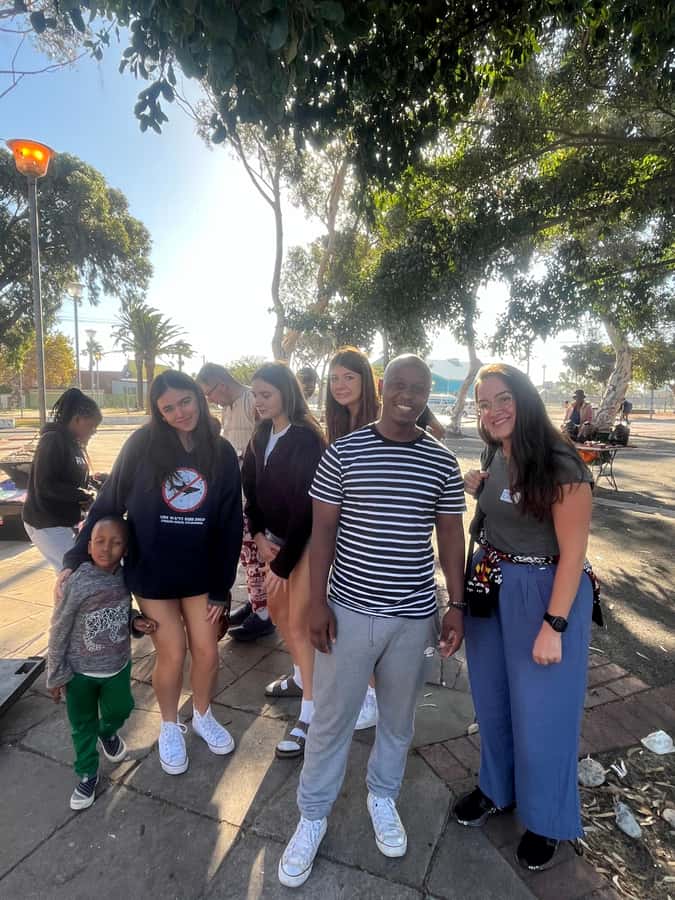
The tour begins at Guga S’thebe, a community arts and cultural center in Langa. This is a useful starting point because the tour’s emphasis is not just on looking at the township from a vehicle window. You begin in a place tied to local creativity and community activity.
From there, the walking portion takes you through historic Langa with a local guide. The exact order of each stop can vary, but the planned experience includes cultural landmarks, local art and craft markets, community projects, cafés or shops, and places where you can meet local residents and learn about daily life.
I would pay attention to the guide’s role here. A township tour can feel uncomfortable or shallow if visitors are simply led around for photographs. The information provided points to a more thoughtful approach, with history, personal explanation, cultural exchange, and direct support for local artisans. Buying a handmade souvenir from an artist is not just a shopping opportunity. It can also be a practical way to put money into the community you are visiting.
You may also hear local music or see a cultural performance. Music and dance are included as part of the experience, which adds a human element to the historical material. If the schedule includes a community project or local artist session, that may become one of the most memorable parts of the afternoon.
Understanding Langa’s apartheid and post-apartheid story
Langa is important because its story helps explain the way Cape Town was organized under apartheid. The tour introduces you to the township’s history and legacy during apartheid, then connects it with the post-apartheid period and the changes still taking place.
That historical framing matters. Without it, a walk through Langa could become a collection of disconnected sights. With it, streets, homes, public spaces, businesses, and community projects gain meaning. I would expect the guide to explain the area in a way that connects national events with local experience.
The tour also gives you a chance to ask questions. Subusiso was praised for taking time with explanations and answering questions, and being from the area added useful local understanding. That is exactly the kind of guiding I would want for a subject this serious. You are not only receiving dates and broad political facts. You can ask how the past relates to the place you are standing in.
Still, keep your expectations respectful. This is not entertainment in the simple sense, and some parts may make you think hard about inequality, displacement, and the way cities divide people. That is a reason to take the tour, not a reason to avoid it, but you should arrive ready to listen.
A taste of township culture, from food to handmade crafts
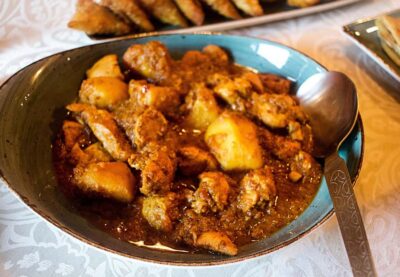
Food tasting is included, although full meals and drinks are not. You may sample traditional dishes and make a brief stop at a local café or shop. This is a small detail, but it helps turn the tour into a cultural exchange rather than a lecture on foot.
I like food tastings when they are kept in proportion. Here, the tasting is part of a wider visit, so you are not paying for a restaurant meal disguised as a tour. You get a chance to connect food with local hospitality, then continue exploring.
The craft and art element also adds value. Local artists and artisans may be part of the visit, and you have the chance to purchase handmade souvenirs directly from them. If you plan to buy something, carry enough South African rand or check what payment options are available before you set out. The supplied information does not promise specific products or prices, so treat the shopping as an opportunity rather than a guaranteed market haul.
Photography is encouraged at key spots, but I would use good judgment. Colorful buildings and local art may be appealing subjects, yet people are not scenery. Ask before photographing residents, performers, or private spaces. A careful approach will make the visit more comfortable for everyone.
Something quite different:
- Wine Tour: Paarl, Franschhoek & Stellenbosch incl 3 wineries
★ 5.0 · 3,940 reviews - Cape Town: Hop-On Hop-Off Bus Tour with Optional Cruise
★ 4.8 · 3,929 reviews - Cape Town: Cape of Good Hope & Penguins Day Tour with Pickup
★ 4.7 · 3,362 reviews - Zipline Cape Town – From Foot of Table Mountain Reserve
★ 5.0 · 3,179 reviews
Bo-Kaap’s bright houses and layered architecture
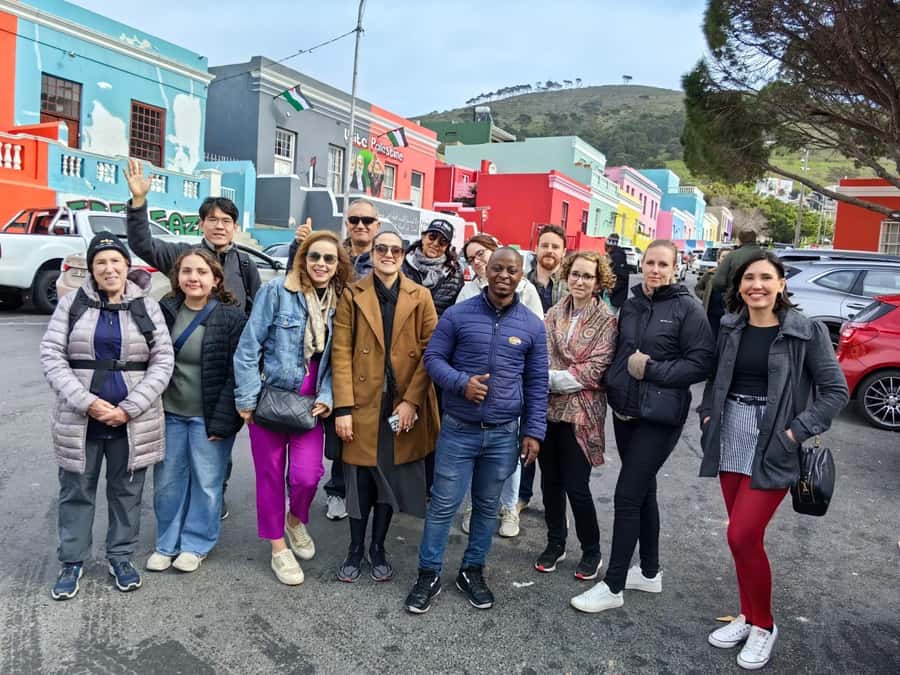
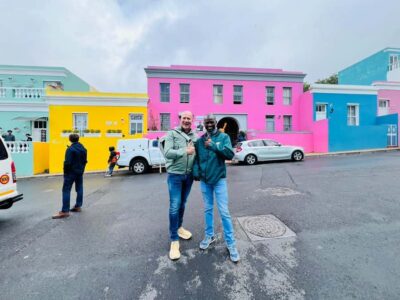
Bo-Kaap is one of the most instantly recognizable parts of Cape Town, thanks to its brightly painted homes and steep streets. The tour uses the neighborhood to show you more than colorful walls. Your guide explains how the area fits into Cape Town’s history and culture.
This is also where the architectural theme becomes clear. Across the wider City Bowl and central areas, you will see Cape Dutch, Rococo, Art Deco, and British styles. These are not merely design labels. They point to the different periods, influences, and communities that shaped the city.
I appreciate this kind of architectural explanation because it gives your walk a visual structure. Instead of seeing one old building after another, you begin to notice rooflines, decorative details, proportions, and changes in style. The Rococo and Cape Dutch references are particularly useful for understanding why parts of central Cape Town look unlike one another.
Bo-Kaap can also be busy and popular, so do not expect every photograph to be empty. The neighborhood’s appeal is real, but a brief visit is only an introduction. The best use of your time is to listen to the local context rather than racing from one painted house to the next.
Reading the City Bowl through four architectural styles
The City Bowl gives the tour a broader city setting. This is where Cape Town’s built environment is presented as a record of its past, with British, Cape Dutch, Rococo, and Art Deco influences appearing in different places.
The benefit of a guide is that you do not need to prepare a full architecture lesson before arriving. A good explanation can help you see why a building matters, what style it reflects, and how it fits into the city’s growth. Banele was praised for clear and thorough explanations, which would be especially helpful during this part of the route.
The drawback is time. Three neighborhoods in 150 minutes means the City Bowl portion cannot be an exhaustive walking tour. If architecture is your main interest, you may want a separate visit to explore central Cape Town at a slower pace. If you want a quick introduction tied to social history, this format makes sense.
The City Bowl section also helps balance the Langa visit. You see formal urban architecture and historic central streets, then compare them with a township shaped by a very different political and social story. That contrast is one of the tour’s strongest ideas.
What the $28 price really includes
At $28 per person, this is a reasonably priced cultural outing. You are paying for a local English-speaking guide, a 150-minute guided experience, a walking tour in historic Langa, cultural stops, food tasting, and opportunities to meet residents and support local artisans.
The value is strongest if you want interpretation rather than independent sightseeing. You could visit Bo-Kaap on your own and photograph the houses for little or no cost, but you would not automatically receive the same historical explanation or connection to Langa’s community projects. The guide is what turns separate locations into one story.
The price does not include hotel pickup, drop-off, meals, or drinks unless specifically stated for your booking. You need to reach Guga S’thebe yourself, and you should budget separately if you plan to buy food, drinks, or crafts.
The tour also offers free cancellation up to 24 hours before the start and a reserve-now, pay-later option. Those policies are useful if your Cape Town plans are still moving around, but check the exact booking conditions when you choose a time.
Walking, weather, and accessibility
Bring comfortable shoes, a hat, sunscreen, water, and a camera. The tour involves moderate walking, and Cape Town’s sun can be strong even when the air feels cool. You will enjoy the experience more if you dress for walking rather than for a quick coach excursion.
The tour is conducted in English with a live guide. Banele and Subusiso are the names associated with particularly warm and helpful guiding, but your assigned guide may differ. I would ask questions freely, especially during the Langa section, where local perspective is central to the experience.
There is conflicting information about wheelchair access. One section describes the activity as wheelchair accessible, while another says it is not. Because this is a walking tour through a township and includes moderate walking, I would contact the provider, Sbzy Tours and Adv, before booking if you use a wheelchair or need step-free access.
The activity is also marked as unsuitable for people with altitude sickness and people over 95 years old. No high-altitude mountain activity is described, so if either point applies to you, confirm the reason and practical requirements directly with the provider.
Who will enjoy this experience most
I would recommend this tour to first-time visitors who want more social and historical context than a standard city highlights outing. It suits you if you enjoy asking questions, looking closely at buildings, tasting local food, and meeting people through a guided community visit.
It is also a good fit for visitors with limited time. Two and a half hours is long enough to give you a sense of Cape Town’s different districts without taking up a full day. You can place it early in your trip, then use what you learn to explore the City Bowl or Bo-Kaap again on your own.
Families with older children and teenagers may find the apartheid history and township visit especially useful, provided everyone is prepared for serious subject matter. The tour can turn a difficult part of South African history into something more immediate and understandable.
I would be less likely to choose it if you want a relaxed, purely scenic walk or a long architectural tour. You also may not like the format if you prefer to explore without a guide or feel uncomfortable with community-based tourism. In that case, be honest with yourself before booking. Langa deserves attention and respect, not a quick photo collection.
Should you book the Langa and Bo-Kaap tour?
I would book this tour if you want a compact, affordable way to connect Cape Town’s architecture with its cultural and political story. The strongest reasons are the local guiding, the Langa focus, the chance to meet community members, and the mix of food, music, crafts, and history.
The five-star feedback is consistent about the guides’ friendliness and clarity. Banele is described as gentle, thorough, and easy to talk with, while Subusiso is praised for taking time with questions and knowing the local area well. Those details matter because the quality of this experience depends heavily on the person leading it.
Book it with sensible expectations. You will walk, listen, and confront difficult history. You will not receive a full-day exploration of every Cape Town landmark, and transport and full meals are not included. But at $28, this is a strong choice for an honest introduction to the City Bowl, Bo-Kaap, and Langa, especially if you want to see how Cape Town’s polished center connects with the communities beyond it.
FAQ
How long does the Cape Town City Bowl, Bo-Kaap, and Langa tour last?
The tour lasts 150 minutes, or two and a half hours.
Where does the tour start and finish?
It starts and ends at Guga S’thebe in Langa, South Africa.
What language is the tour conducted in?
The tour is conducted in English with a live guide.
Is food included?
A tasting of traditional dishes is included, but meals and drinks are not included unless specifically stated.
Is hotel pickup included?
No. Hotel pickup and drop-off are not included, so you need to make your own way to Guga S’thebe.
What should I bring?
Bring comfortable shoes, a hat, sunscreen, water, and a camera. The tour involves moderate walking.
More Bo-Kaap Walks
- Cape Town: Malay Cooking Class and Lunch in Bo-Kaap
★ 4.8 · 515 reviews - Cape Town Walking Tour: Bo-Kaap & City Highlights
★ 4.8 · 161 reviews - Bo-Kaap: Walk with a local
★ 5.0 · 131 reviews - Cape Town: Cape Malay Cooking Class in Bo-Kaap
★ 4.8 · 120 reviews
Just added in Cape Town
- Sunset Safari Big 5 Aquila with Snacks and Wine Tasting★ 5.0 · 12 reviews
- Explore Atlantis Sand Dunes with a 1hour 30mins sandboarding tour★ 5.0 · 5 reviews
- Private Tour to 20 Wine Tasting in Stellenbosch and Franschhoek★ 5.0 · 11 reviews
- Robben Island, Kirstenbosch wine tasting Tour★ 5.0 · 10 reviews
- Photoshoot in Cape Town’s most Gorgeous Locations★ 5.0 · 2 reviews
- Private Transfer from Cape Town International Airport★ 5.0 · 4 reviews
- 1 Hour Cape Town City Center Photoshoot Experience★ 5.0 · 19 reviews
- Zip Line and Wine from Cape Town★ 5.0 · 14 reviews
Bo-Kaap Tours, compared.


Cape Town Walking Tour: Bo-Kaap & City Highlights
Read our review →


Cape Town Township Tour Including Langa Township and Bo-Kaap
Read our review →
Browse the lists this tour appears in