
REVIEW · WALKING TOURS
Guided Wildlife Tour and Forest Walk with Lunch Platter
Cats, forests, and lunch in one outing. At Tenikwa Wildlife Rehabilitation and Awareness Centre in the Western Cape, you spend four hours moving between two very different sides of South African nature: a protected indigenous forest and carefully managed habitats for native wild cats. The experience costs $63 per person and includes a private guide, lunch platter, and a drink.
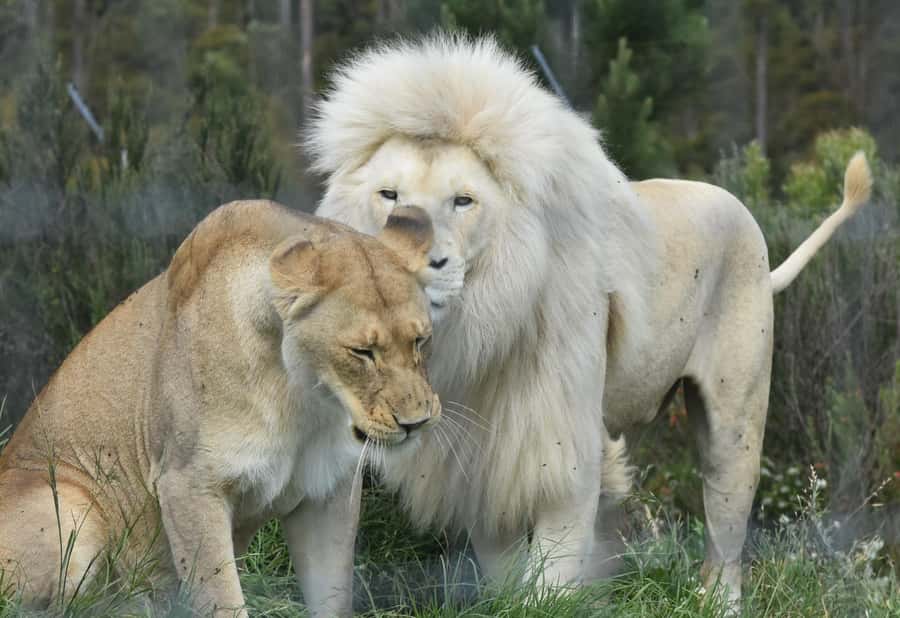
I like the forest walk, which offers giant hardwood trees, orchids, fungi, tree ferns, and mossy streams rather than a quick roadside photo stop. I also like the chance to learn about South Africa’s wild cats while seeing a magnificent white lion. The main consideration is value: the cat tour receives the strongest praise, while one recent assessment found the forest paths needed attention and the picnic lunch disappointing.
In This Review
- Key details that shape the experience
- Arriving at Tenikwa near Plettenberg Bay
- The safety briefing and the rhythm of the day
- Walking the old Tsitsikamma forest paths
- Lunch platter, drinks, and the midday pause
- Meeting South Africa’s wild cats
- How much value does the $63 price offer?
- Timing, weather, and what to pack
- Who will enjoy this Tenikwa experience?
- Should you book the wildlife tour and forest walk?
- FAQ
- How long does the Tenikwa wildlife and forest experience last?
- How much does the experience cost?
- Where does the tour begin?
- How early should I arrive?
- Is transport from Plettenberg Bay included?
- What does the price include?
- What animals might I see?
- Is the forest walk difficult?
- Can I bring a camera?
- What happens if it rains?
Key details that shape the experience
- Two contrasting activities: Spend about an hour with the wild cats and around two hours walking through indigenous Tsitsikamma forest.
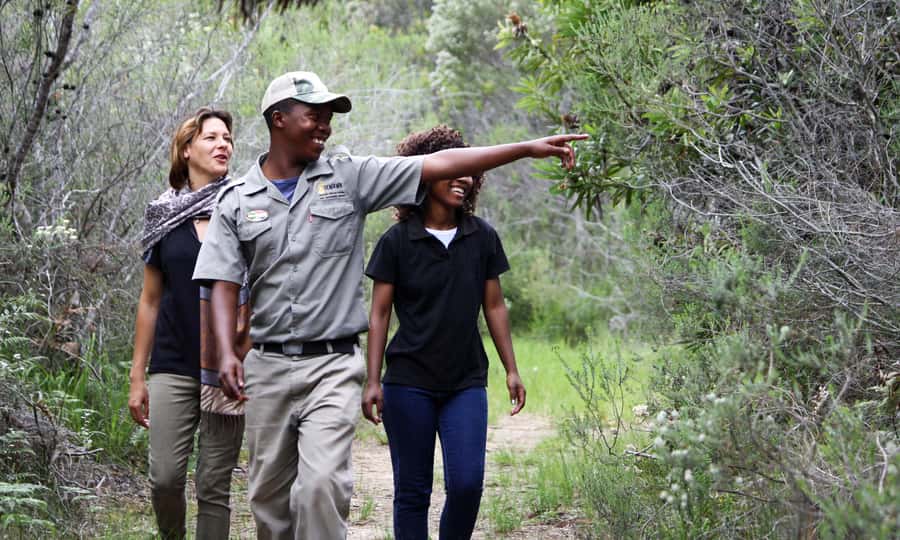
- A private guide: Your guide leads the program, explains the plants and animals, and answers questions along the way.
- Rare forest birds: Keep watch for the Knysna Loerie and the shy Narina Trogon.
- A white lion encounter: The wildlife section includes a chance to see and photograph this striking animal.
- Lunch is included: You receive a freshly prepared platter with wine, beer, or fruit juice.
- Easy but not accessible to everyone: The forest walk is leisurely and mostly flat, but the route is not suitable for wheelchairs or prams.
Arriving at Tenikwa near Plettenberg Bay
Tenikwa is about 20 minutes from Plettenberg Bay, the nearest town. You need your own transport, since hotel pickup and drop-off are not included. The nearest airports are Plettenberg Bay and George, and you will need to arrange a rental car before arriving.
From Plettenberg Bay, take the N2 toward Port Elizabeth for about 20 kilometres. Look for the large tourism sign pointing to Monkeyland, Birds of Eden, the Elephant Sanctuary, and Tenikwa. Turn right at the Kurland Village turnoff opposite the sign, then follow Forest Hall Road.
At the fork, keep left. If you reach Animal Alley, you have gone the wrong way. Tenikwa is about 900 metres farther along the road, with parking available at reception.
Arrive 15 minutes early and check in at reception. This small buffer matters because the day begins with a five-minute safety briefing and a quick explanation of the order of activities. The early time slot starts with the wildlife tour, followed by the forest walk. The later time slot reverses that order.
A few more in Plettenberg Bay
- From Cape Town: Big Five Game Reserve with Lunch
★ 4.6 · 2,409 reviews - Wine Tour to Stellenbosch & Franschhoek with Tastings & Lunch
★ 5.0 · 828 reviews - Soweto: Walking Tour with a Local Guide and Lunch
★ 4.9 · 648 reviews
The safety briefing and the rhythm of the day
The opening briefing is short, but it sets the rules for a respectful wildlife visit. You may bring a camera, but selfie sticks are not allowed. You must not touch or feed the animals, and you should not touch plants during the forest walk.
The staff also ask you to lock valuables and backpacks in your vehicle. That is practical advice. A lighter load makes the forest route easier, and you will have more freedom to use your camera along the raised walkways around the animal habitats.
The full schedule allows roughly two hours for the forest walk, a 15-minute break, one hour for lunch, one hour for the wildlife tour, and about 10 minutes for shopping. In reality, the precise flow may depend on the starting slot and conditions, but you should keep the entire four-hour period free.
Walking the old Tsitsikamma forest paths
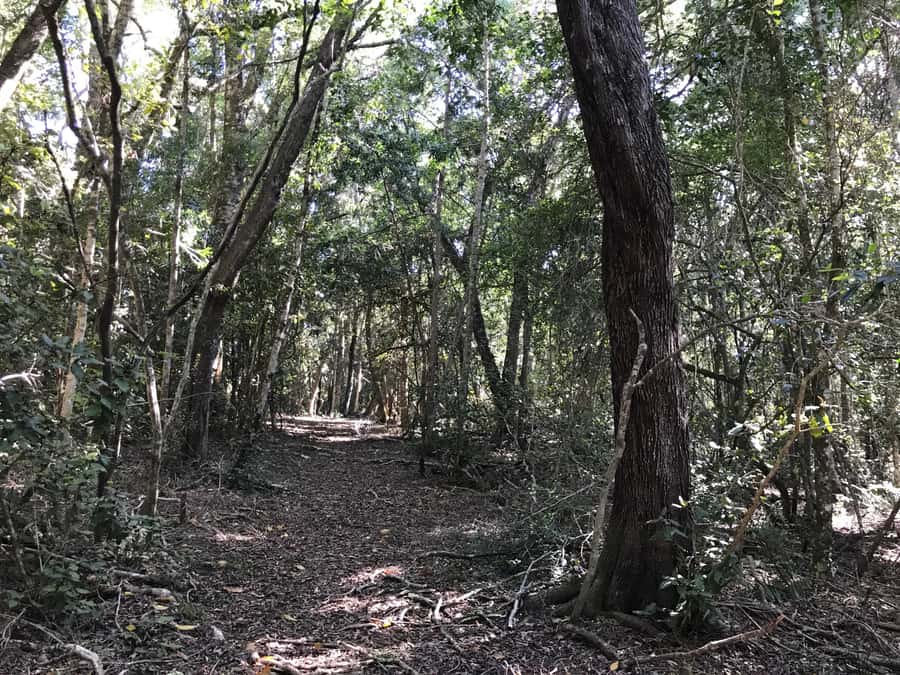
The forest portion is the most atmospheric part of the outing. Your guide leads you along old paths through a protected indigenous forest reserve, explaining the area’s past logging activity as well as its plant life.
You can expect a leisurely pace and mostly flat walking. This is not a strenuous hike, but it is still a real outdoor walk. Closed-toe shoes are required, and comfortable walking shoes are strongly advised. Sun protection and a hat help on exposed stretches, while insect repellent is a smart addition for the forest. The area is malaria free, but mosquitoes can still be present.
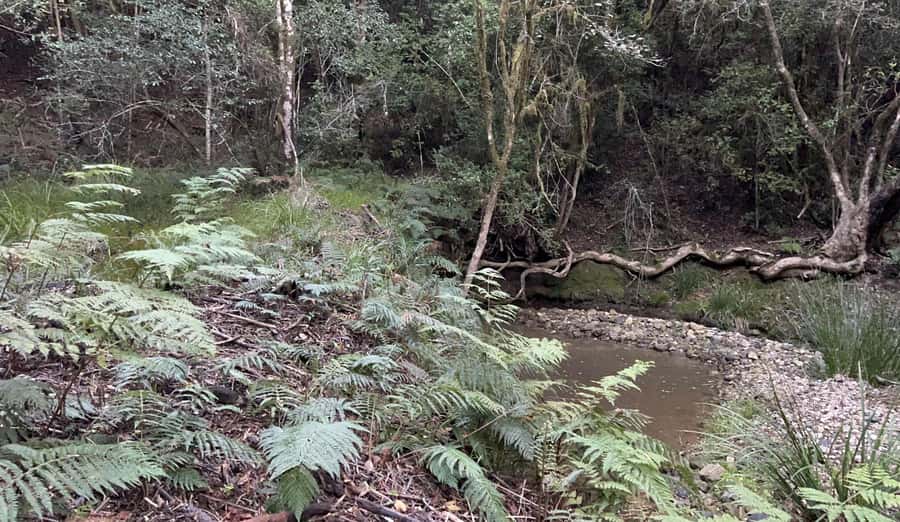
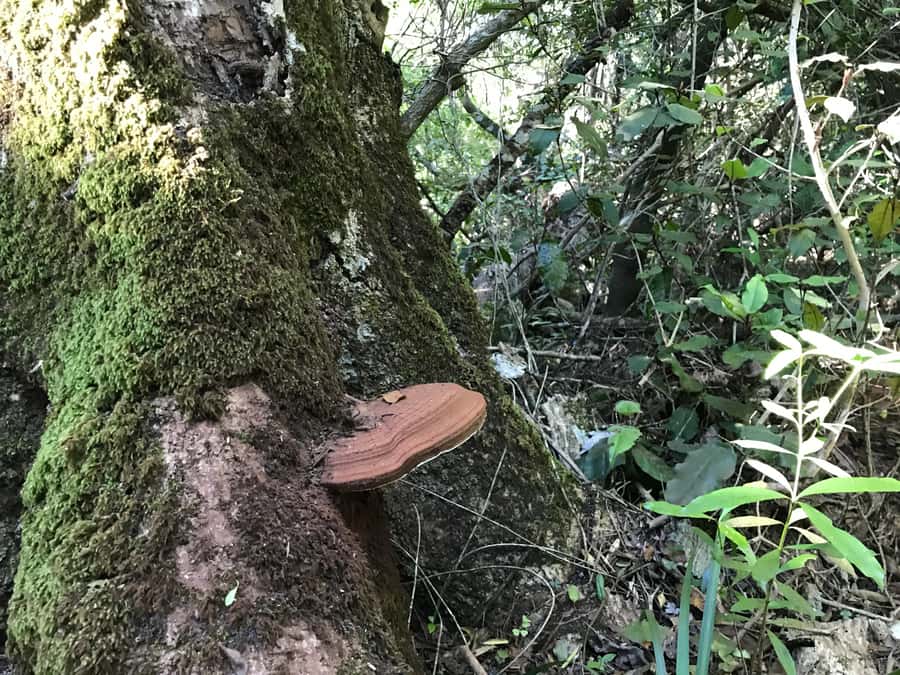
The scenery changes in small, rewarding ways. Giant hardwood trees give the forest its scale. Fungi add detail close to the ground, and orchids bring occasional color. Mossy, pebbled streams create natural pauses along the winding route.
One of the most appealing sections is the forest glade, where large tree ferns filter light onto the floor. This is the sort of place where a guide adds real value. Without one, you might see a pleasing wall of green. With an informed guide, you begin to notice medicinal uses of indigenous plants, the difference between tree species, and how the forest supports birds and smaller creatures.
The birdwatching is possible rather than guaranteed. The Knysna Loerie, also known as the Knysna Turaco, may appear among the mature trees. The rare and shy Narina Trogon is another possibility. Bring a camera, but do not expect every walk to produce a close bird photograph. The forest is best approached as a slow observation experience, not a checklist race.
One point deserves honesty. The walk itself has drawn mixed feedback. Several people have praised the explanations about trees, plants, and the forest, while one assessment found the paths needed more care. If you expect polished trails and formal garden paths, you may find the route rustic. If you are comfortable with a natural reserve setting, that roughness may feel appropriate.
Lunch platter, drinks, and the midday pause
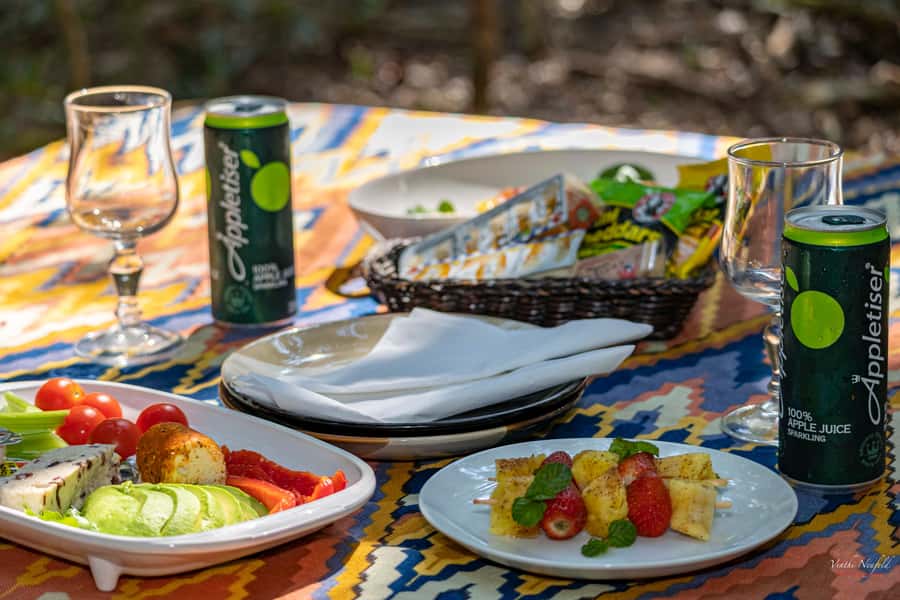
After the walk comes a 15-minute break and then a one-hour lunch stop. The meal is a freshly prepared platter, served with wine, beer, or fruit juice. Other refreshments are not included, so do not assume the package covers additional drinks or snacks.
Lunch is more than a simple convenience. It gives you time to rest after the forest route and talk through what you have seen before the cat tour begins. For couples and friends, it breaks up the program nicely. Families with young children may also appreciate the pause, although children under four are not permitted.
The lunch is the least consistent element in the available feedback. Some assessments describe it as fine or nice, while one found the picnic disappointing and not worth the price. I would treat the meal as a useful included extra rather than the main reason to book. The wildlife education and forest setting carry most of the value.
If food quality is central to your plans, keep your expectations measured. The details of the platter are not specified, so you should not book this as a gourmet lunch experience. Think of it as a prepared midday meal that keeps the half-day program self-contained.
More Walking Tours in Plettenberg Bay:
- Plettenberg Bay: Qolweni Township Cultural Walking Tour
★ 5.0 · 58 reviews - Plettenberg Bay: Bungee Jumping with Zipline and Sky Walk
★ 5.0 · 506 reviews - Cape Town: Nathi Langa Township Walking Tour
★ 4.9 · 493 reviews - Cape Town: Art, Culture & History Walking Tour
★ 4.9 · 392 reviews
Meeting South Africa’s wild cats
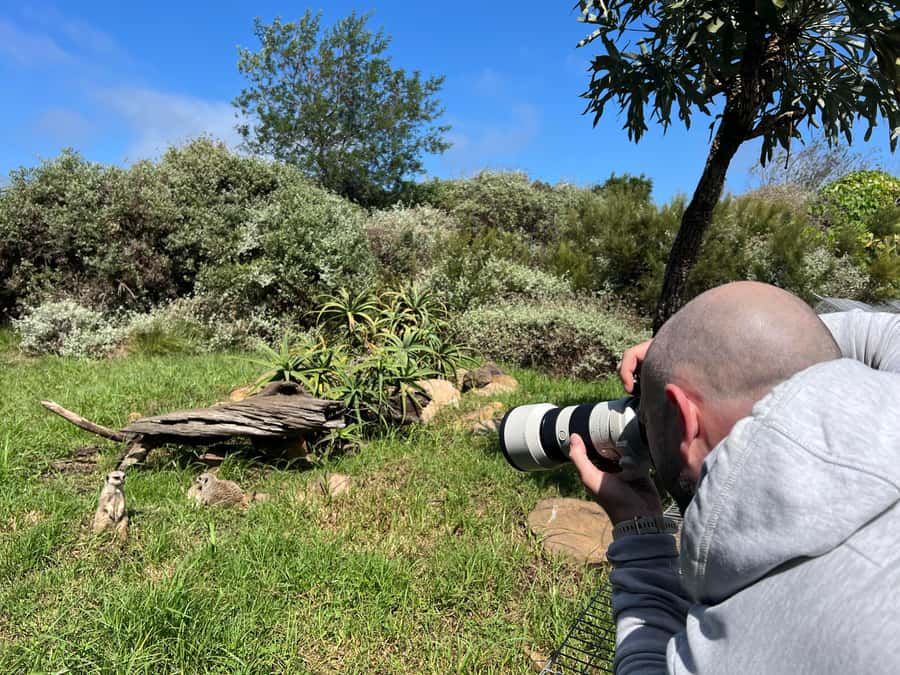
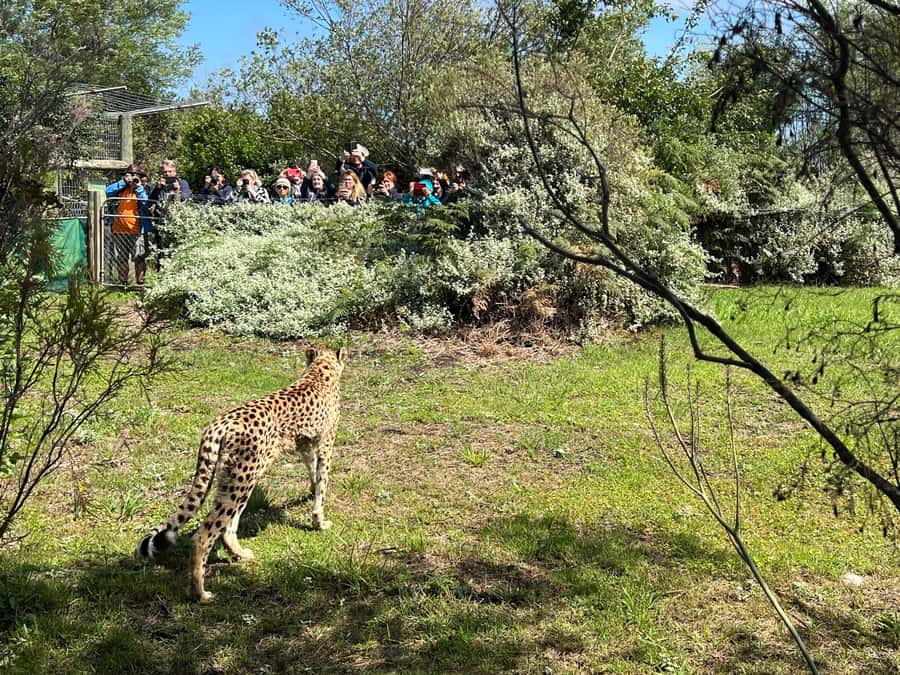
The wildlife section takes place along raised walkways through the animals’ habitats. This gives you a clearer viewing angle while keeping a proper boundary between you and the animals. Your guide explains each species, its behavior, and its role in biodiversity.
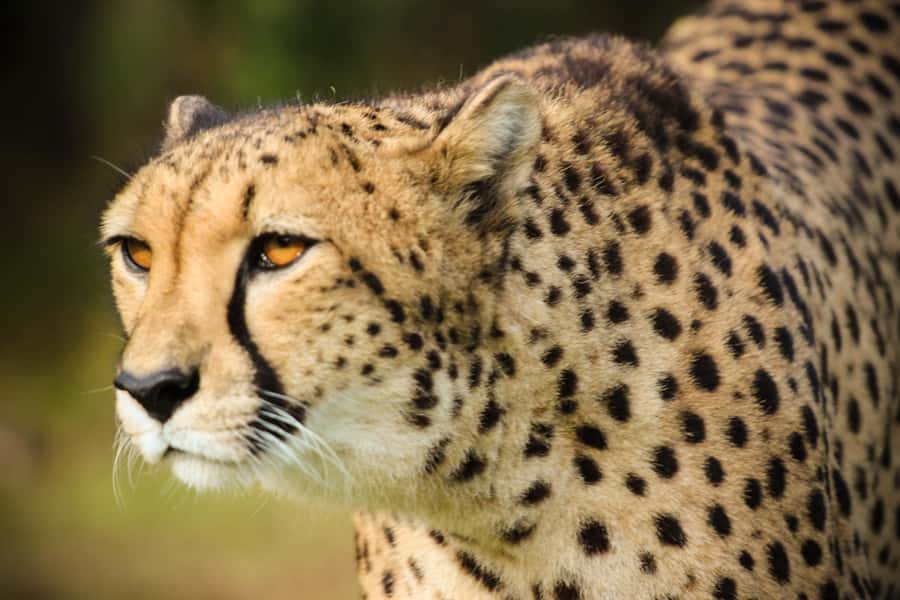
The focus is on indigenous wild cats of South Africa. The program also includes other wildlife at the center, but the cats are the main attraction. The chance to see and photograph the white lion adds a memorable visual highlight, though animal sightings and behavior can never be treated like a staged performance.
This is where the guide’s skill matters most. The strongest feedback focuses on guides who explain the animals clearly, answer questions patiently, and show obvious care for the work at Tenikwa. Names such as Boniwe, Sandile, and Mziswe have been associated with especially warm and informative guiding. Staff passion is repeatedly praised, and that gives the tour an educational purpose beyond simply looking at captive animals.
The center is a rehabilitation and awareness facility, so the visit is framed around care, education, and conservation. That distinction matters. You are not entering a national park in search of free-ranging predators. You are visiting managed habitats where the guide can help you understand the animals and the pressures facing native species.
For photographers, the raised walkways and guided pace are helpful. You can bring a camera, but no selfie sticks are permitted. Keep your equipment secure, follow instructions, and remember that touching animals is forbidden. The best photographs will come from patience rather than trying to attract an animal’s attention.
How much value does the $63 price offer?
At $63 per person, this is not the cheapest way to spend four hours near Plettenberg Bay. The price includes admission, a private guide, two guided activities, the lunch platter, and a drink. You are paying for a structured experience rather than separate entrance tickets and an unguided forest stroll.
The private guide is the biggest value point. A forest walk without interpretation can become a pleasant but fairly anonymous woodland outing. Here, you learn about old logging activity, indigenous plants, fungi, orchids, birds, and the role of the reserve. At the animal habitats, the guide adds context about wild cats and biodiversity.
The price makes the most sense if you want both nature and wildlife in one booking. It is also useful for visitors with limited time in the Plettenberg Bay area. You avoid spending one part of the day arranging a forest outing and another part finding a wildlife center.
The value is less convincing if you care mainly about lunch or want a long, rugged hike. The forest walk is gentle, the route may need maintenance, and the meal has received less consistent praise than the guiding. I would book for the combination of education, scenery, and animal viewing, not for luxury.
Timing, weather, and what to pack
The tour runs for four hours, with starting times available according to the booking calendar. Choosing the early or later slot changes the order, not the total program. If seeing the cats first is important to you, choose the early option. If you would rather begin quietly in the forest, select the later start.
Rain does not automatically end the outing. Rain jackets are provided in inclement weather, and the program has gone ahead in poor conditions. Still, wet weather can affect comfort, visibility, and the condition of the forest paths. Wear clothes that can handle outdoor conditions and choose shoes with a closed toe.
Bring:
- Comfortable closed-toe walking shoes
- Comfortable clothes
- Insect repellent
- Sun hat and sunscreen
- Camera, without a selfie stick
Do not bring loose valuables on the walk. Parking is available at reception, and the center advises you to lock backpacks and valuables in your vehicle.
The forest walk is not suitable for wheelchair users or prams. Children under four are also not permitted. Since the tour is mostly flat but still takes place outdoors, you should be ready for natural surfaces rather than a fully paved route.
Who will enjoy this Tenikwa experience?
I would recommend this outing to couples, friends, and families with older children who want an educational half-day in nature. It suits you especially well if you enjoy asking questions, photographing birds and animals, and learning why a protected forest or rehabilitation center matters.
It is also a good fit if you are staying in Plettenberg Bay and want an activity that does not require a full day. The drive is short enough to combine with other Garden Route plans, though you should allow the full four hours once you arrive.
Birdwatchers may enjoy the possibility of the Knysna Loerie and Narina Trogon, but sightings are not promised. Wildlife photographers should appreciate the cat habitats and viewing walkways, while remembering that the experience is guided and conservation-focused rather than a private photography session.
I would hesitate to recommend it to anyone seeking a physically demanding forest hike, a fully accessible route, or a high-end meal. The forest is easygoing, the paths can be rustic, and the platter is best regarded as a practical part of the day.
Should you book the wildlife tour and forest walk?
Book it if you want a well-organized mix of South African flora, forest birdlife, wild cats, and conservation education. The guides are the heart of the experience, and the strongest feedback praises their patience, humor, and ability to explain both animals and plants clearly.
Before booking, accept three limits: you need your own transport, the forest route is not wheelchair or pram friendly, and the lunch may be ordinary rather than memorable. If those points work for you, $63 buys a useful four-hour program with a rare white lion sighting, a genuine indigenous forest setting, and plenty to discuss on the drive back to Plettenberg Bay.
FAQ
How long does the Tenikwa wildlife and forest experience last?
The complete program takes four hours, including the safety briefing, forest walk, break, lunch, wildlife tour, and brief shopping time.
How much does the experience cost?
The listed price is $63 per person.
Where does the tour begin?
It begins at the reception of Tenikwa Wildlife Rehabilitation and Awareness Centre in the Western Cape, South Africa.
How early should I arrive?
You should arrive at reception 15 minutes before the scheduled start time.
Is transport from Plettenberg Bay included?
No. Hotel pickup and drop-off are not included. Tenikwa is about 20 minutes from Plettenberg Bay, and parking is available at reception.
What does the price include?
The price includes entrance to Tenikwa, a private guide, the guided forest walk, the guided wildlife tour, a lunch platter with wine, beer, or fruit juice, and rain gear when needed.
What animals might I see?
The wildlife portion focuses on South Africa’s indigenous wild cats and includes the opportunity to see a white lion. The forest may also offer sightings of birds such as the Knysna Loerie and Narina Trogon.
Is the forest walk difficult?
The walk is leisurely and mostly flat. It is not suitable for wheelchair users or prams, and you should wear comfortable closed-toe shoes.
Can I bring a camera?
Yes. Cameras are allowed, but selfie sticks are not permitted.
What happens if it rains?
The tour can continue in rainy weather, and rain jackets are provided when conditions require them.
Just added in Plettenberg Bay
- THE CRAGS PLETTENBERG BAY: QUAD BIKE FUN RIDE★ 4.6 · 11 reviews
- Plettenberg Bay: Swim with the Seals★ 4.7 · 31 reviews
- Plettenberg Bay: Seal Viewing Boat Trip★ 4.8 · 16 reviews
- Plettenberg Bay: Seal Swimming Experience★ 5.0 · 25 reviews
- Plettenberg Bay: Dolphin and Marine Boat Tour★ 4.5 · 45 reviews
- Plettenberg Bay: 2-Hour Surf Lesson★ 4.9 · 8 reviews
- Plettenberg: 2-Hour Zipline Tour★ 4.5 · 27 reviews
- Kwano Lifestyle Day Tour – Be a local for a day★ 5.0 · 3 reviews
Walking Tours, compared.




Browse the lists this tour appears in